

Sneak peek: As parents, we base many of our decisions on intuition, so why even bother reading child development articles for parents? Why research still matters in our parenting choices
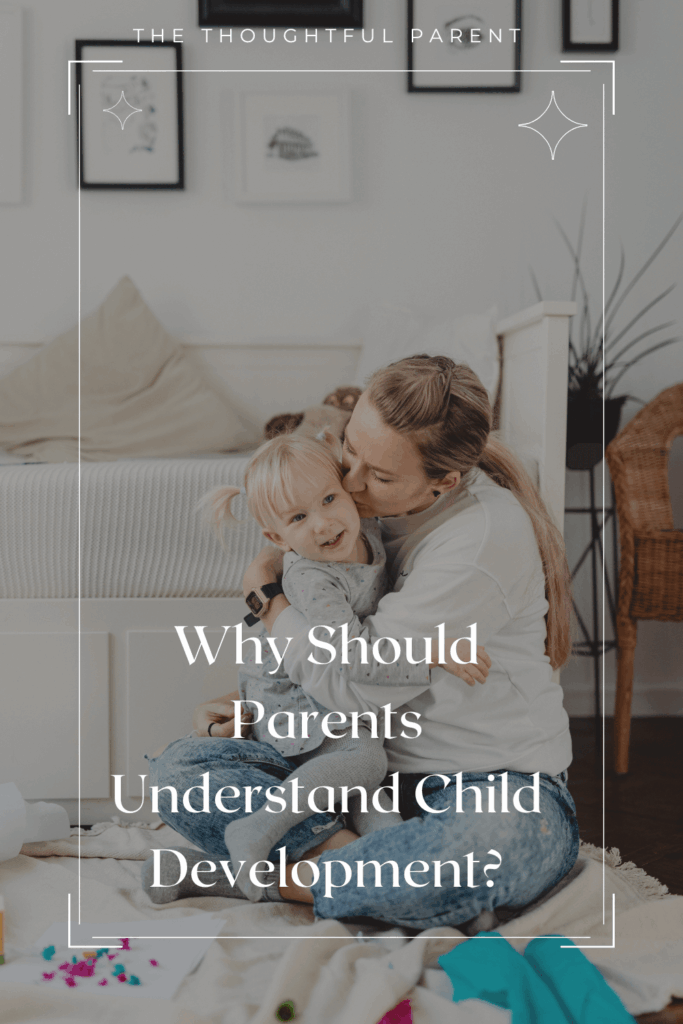
A few months ago, I was struck by a report in the news about a research study that considered parents’ expectations of infants’ behavior and development. According to this study conducted by Heather Paradis, M.D., and colleagues at the University of Rochester Medical Center, about one-third of parents had low knowledge of infant development. That is, 30% of parents in this study had unrealistic expectations for what their infant should be able to do (or not do) at a given age.

The study authors used questions like “Should a one-year-old be able to tell the difference between right and wrong?” to assess parents’ knowledge of the developmentally appropriate behavior of infants. Perhaps the most interesting part of the study was that it showed that parents’ knowledge of child development was correlated with their parenting skills. The study found that parents with low-level knowledge of infant development were less likely to engage in healthy parent-child interactions and less likely to participate in activities such as reading, telling stories, or singing, which help infants develop social and intellectual skills.

Although the study didn’t address this, you can imagine how different the parenting strategies of two parents would be if, for instance, one thinks a one-year-old can tell the difference between right and wrong and the other does not. Clearly, having at least a basic understanding of developmental milestones and expectations of infants’ behavior can have a dramatic influence on how an individual parents. The best child development articles for parents cannot help much if a parent holds unrealistic developmental expectations for their child’s behavior.
While interesting, this story was also disturbing to me. As someone with a background in child development and family studies, I’m surrounded by journals and books describing different aspects of parenting and development all day long. With all the information that is out there, why is it that many parents are not well-informed about child development?

The answer to this question is complex, but I think one obvious point is that the research and information really aren’t out there where parents can access it. It’s packed away in jargon-laden, difficult-to-read academic journals that rarely see the light of day from their library shelves. Now, don’t get me wrong, I have great respect for academic research. Academic research is crucial for expanding the body of knowledge of any given area of study.
However, academic research is just that, academic. There are not very good channels for passing this very useful information along to parents in an easy-to-understand format. Yes, there are many parenting books available on the market and while I’m sure some are very good, many are not based on much real research, but rather on the author’s first-hand experience or opinion. The same goes for many parenting and child development blogs. Many of these are based solely on one parent’s experience, not research.
Looking for more child development insights and research-backed parenting tips? Sign up for my Substack newsletter:
Child Development Articles for Parents Can Help
After pondering this situation, I realized that perhaps technology could help overcome this disconnect between research and everyday life. Like many people, I have slowly begun to rely more and more on the internet as a source of information. When I have a question or issue I want to learn about, I often turn to the internet as a resource. I assume many parents do this too, so why not create a child development blog to help provide parents with research-based information about child development?
With this parenting and child development blog, I focus on several main topics:
Child Development Research:
The classics of child development and child psychology like attachment theory, temperament, growth spurts, etc.
Best Parenting Advice:
The most recent and compelling research on topics that affect our parenting lives like co-sleeping, technology use, discipline, and parenting goals, to name just a few.
Social-Emotional Development:
One of the most important (and often overlooked) parts of children’s development. I address issues like building emotional intelligence, fostering kindness, and handling big emotions.
Play-Based Learning:
Play is the way that young children learn best. This blog considers topics like preschool learning, guided play, and how to pick a preschool.
I hope this blog will help close the gap (if even just a little) between those research journals at the library and the average parent looking for information.
Related resources:


Amber
I was surprised to see the correlation between expectations and parenting skills. It’s obvious, but I’ve not seen it explicitly stated before. Like so many other things, education is the KEY!
Titus Ting
Hi Amy,
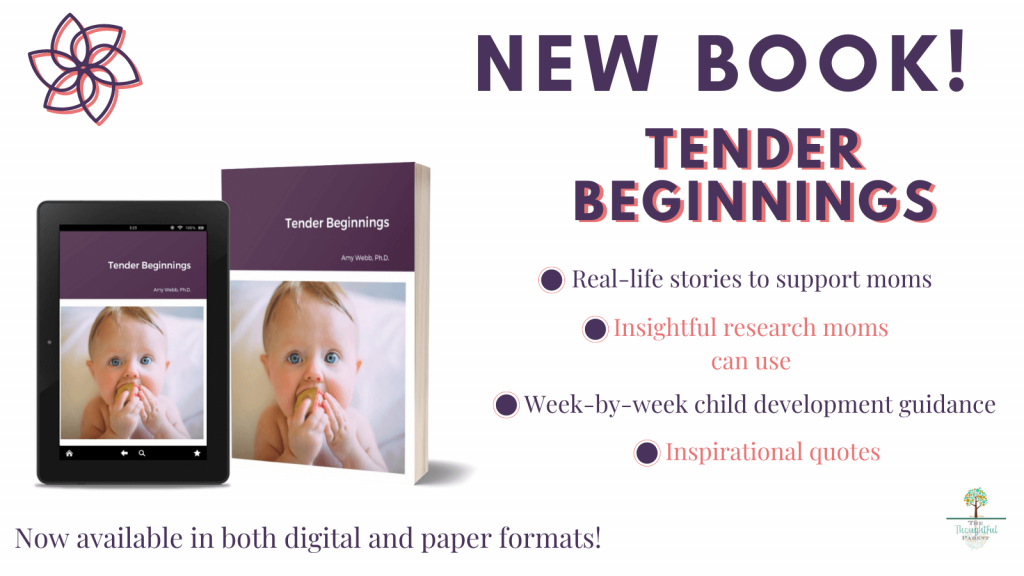
You wrote this article 10 years ago. I’m not sure why it’s popped back up now, but I’m very glad it did. My background is in developmental psychology, and what you described about academic research is spot on. I’ve always wondered about what is the best way to bridge the gap, between the cutting-edge research done and the parents/teachers/educators who really need it. Blogs like yours are really useful:)
Would love to chat more! This is really great:)
Elisabeth Harrod
I completely agree! All throughout my teaching and parenting years, everyday I was grateful for the education I received in college about children’s brain development and how to teach/parent in ways that support attachment in young children and autonomy in emerging adults. It’s a zillion decisions we parents make every day as our children grow and develop. Lately, I’ve been very struck by how concepts and “truths” that I thought were well-understood and obvious, are totally missing for most of the parents I know. When I shared what I knew to be true about child development and what effective parenting looks like, I was told I was wrong. So, I went to the research (which I never thought I would need to do since what I was saying seemed so basic and obvious – common sense). And the research showed that what I was doing as a parent and what I was encouraging other parents to do works. Now I’m on a quest to share what the research – and experience, common sense, and our own intuition — is telling us makes for effective parenting. Thanks for your blog Amy!
Opal Academy
Fully agreed, upon research Children development milestones are key to determining their future academic, career and social prospects