

Sneak peek: The importance of play in early childhood development can’t be overstated. Research-backed benefits of play for children’s development.
If there’s one thing I keep coming back to in my reading and in my life as a mom, it’s this: play is not a break from learning. It is learning. Play in early childhood development is how children make sense of the world around them, build friendships, discover who they are, and grow into confident, capable people. With my background in Human Development and Family Sciences (and two busy boys at home!), I’ve seen this truth play out both in the research and on my own living room floor. And with so much pressure on kids today to perform and achieve, I think protecting time for real, unhurried play matters more right now than ever before.
This week, I’m featuring a fellow writer and she will walk us through all the aspects of play in child development. Jennifer Landis is a writer and blogger at Mindfulness Mama who writes about all things motherhood in a fun and helpful way.

What are the benefits of play in child development?
Play supports creativity, literacy, social skills, physical fitness, passion development, and teaches children self-regulation — all backed by decades of developmental research.
Not Frivolous: The Importance of Play
Playing is more than just a pastime for children—it’s a crucial element in their development. The United Nations High Commission for Human Rights has protected children’s right to play for this very reason.
The American Academy of Pediatrics reaffirmed in January 2025 that play “enhances brain structure and function and promotes executive function” — and that when play is missing from a child’s life, it can actually disrupt healthy development and contribute to toxic stress.
Unfortunately, though, today’s children have fewer chances to lose themselves in play. For many schools, reduced playtime is just a way to meet the sweeping educational standards enforced by the government with legislation like No Child Left Behind, which put pressure on teachers to improve children’s math and reading skills. That act has been replaced by the Every Student Succeeds Act, but there’s still plenty of academic pressure on today’s kids.
For that reason, many spend less time playing and more time in tutoring or studying. Plus, with working parents, some children spend little time at home during the week, thus leaving them with no time to let their imaginations run wild.
Still, no matter how busy our schedules get, the importance of play for children cannot be overstated.
What are the benefits of play in early childhood development?
1. How Does Play Build Creativity and Imagination in Young Children?
If you’ve ever watched children play, you know this to be true — they can imagine they’re riding on a rocket ship, they’ll wear your winter coat like it’s a fireman’s uniform, or they’ll build a completely different shape with a Lego set meant to be something else. Play inspires your children to flex the right side of their brain, boosting their creativity and imagination in ways that academic study cannot.
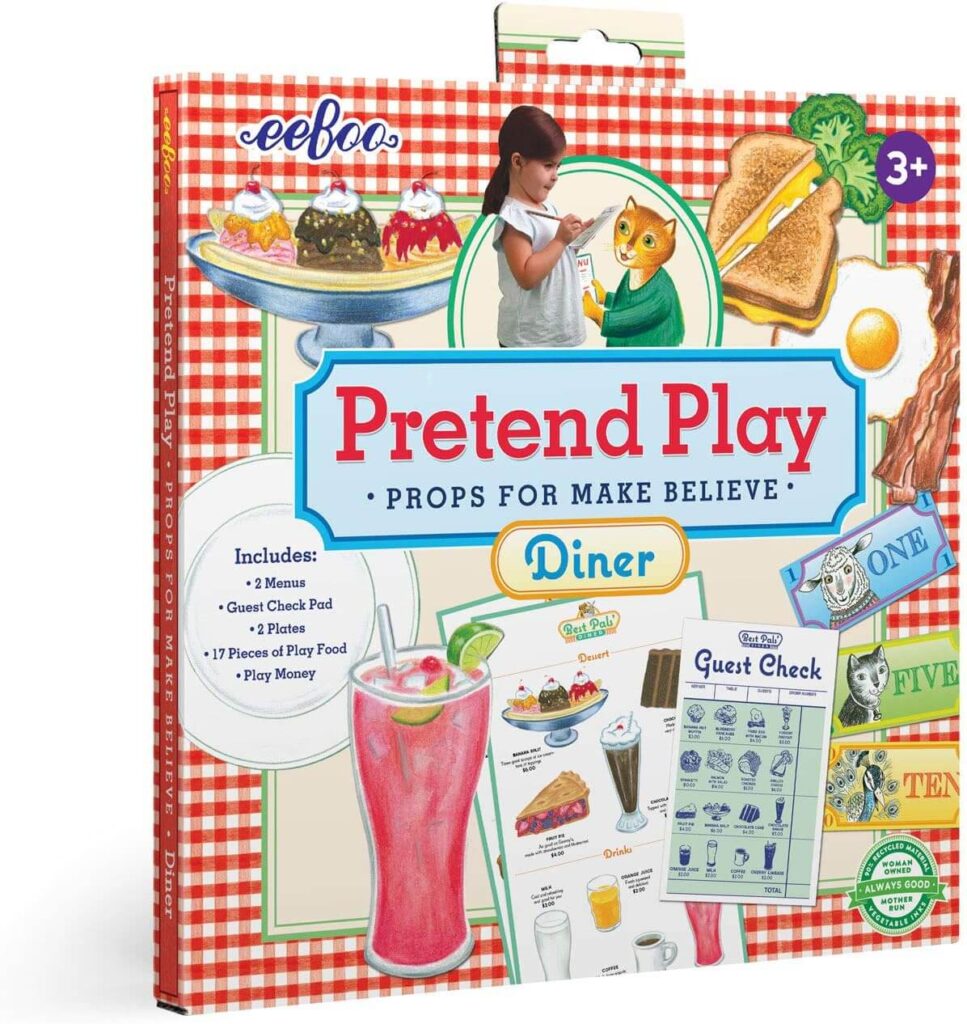
The importance of creative play in child development is easily apparent. Creativity has a place in all aspects of life. It helps us solve problems better and, if we hone our imaginations from an early age, we find it easier to be open-minded about others’ differing ideas and opinions later on.
A University of Cambridge analysis of 39 studies — covering about 3,800 children aged three to eight — found that guided play had a greater positive impact on early math skills than traditional direct instruction. In other words, letting kids learn through play isn’t a shortcut — it’s often the better path.
Related reading: The Preschool Tour Checklist to Help Choose the Right Preschool for Your Child
2. Can Play Really Help My Child Learn to Read and Communicate?
Whether they’re playing alone or imagining alongside someone else, kids learn to communicate better through play. When they’re playing pretend or dress up, for example, kids vocalize the story they’re creating, verbally collaborating with one another. They learn to make new sounds and pick up vocabulary words from their playmates. As they learn to read out loud, this practice helps them boost their literacy all around.
Plus, speaking up in the midst of play allows kids to vocalize their own emotions. Obviously, this is an essential skill for a person of any age, but play helps children develop it early on.
3. How Does Free Play Help Children Develop Social Skills?
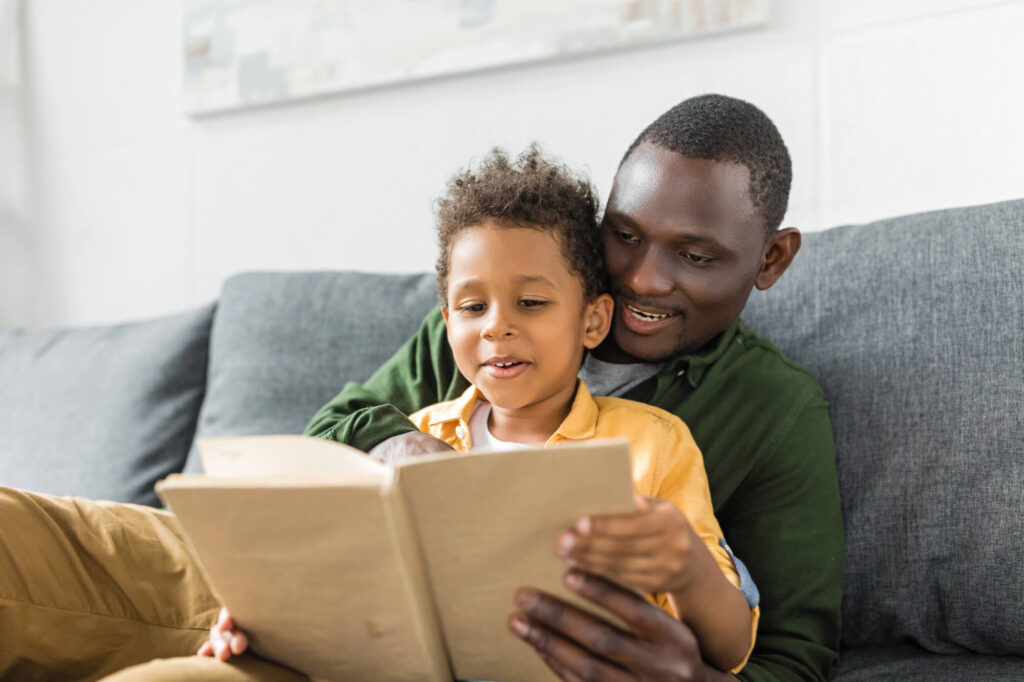
To that end, sharing toys or play space with another child teaches them how to do it well. Play inspires collaboration among kids. It helps them learn to share and take turns. It also shows your child when and how to stand up for themselves—they’ll realize that some of their thoughts and ideas are worth sticking up for. If kids are left to play on their own with one another, they learn all this on their own, no grown-ups required. The importance of free play in child development is often overlooked. However, given some time on their own, kids work out these social negotiations themselves. Figuring out how to manage one’s own emotions and those of others is a key part of social-emotional development.
4. What Does Play Have to Do With My Child’s Physical Health?
According to national data, 18.5 percent of American children are obese. Along with inactive days spent at school, kids have plenty of passive ways to entertain themselves, such as playing video games or watching TV. Promoting unstructured free play can help children improve their physical fitness levels and develop stronger, healthier bodies. In doing so, parents can help stave off the weight-related epidemic that has affected many Americans.

Watch more about the benefits of play in child development:
5. How Can Play Help Children Discover What They Love?
In older children especially, playing allows them to explore different hobbies and activities. Playing might also spark an interest in a particular type of animal or a literary character, an interest that leads them to explore, learn and play even more. Even if they don’t find the path that will become their future career, kids can discover further hobbies just through playing, whether it’s with you, their friends or their siblings.
6. What Can Parents Learn From Watching Their Children Play?
Finally, grown-ups have a lot to learn from their children while they’re playing. Most importantly, parents should learn that not every moment of a child’s life has to be structured—they should be free to relax, be creative and have fun. So, play along with your kids, but don’t guide them to the point where you’re controlling the play. Instead, let them take the reins and imagine what’s next.
Related reading: Fun and Effective Executive Functioning Activities for Preschoolers
It will be good for both of you, since the importance of play in early childhood development will become apparent to you as your child explores. Meanwhile, you will learn to roll with the punches, a much better way of raising kids than helicopter parenting. For that, both of you will be happier.
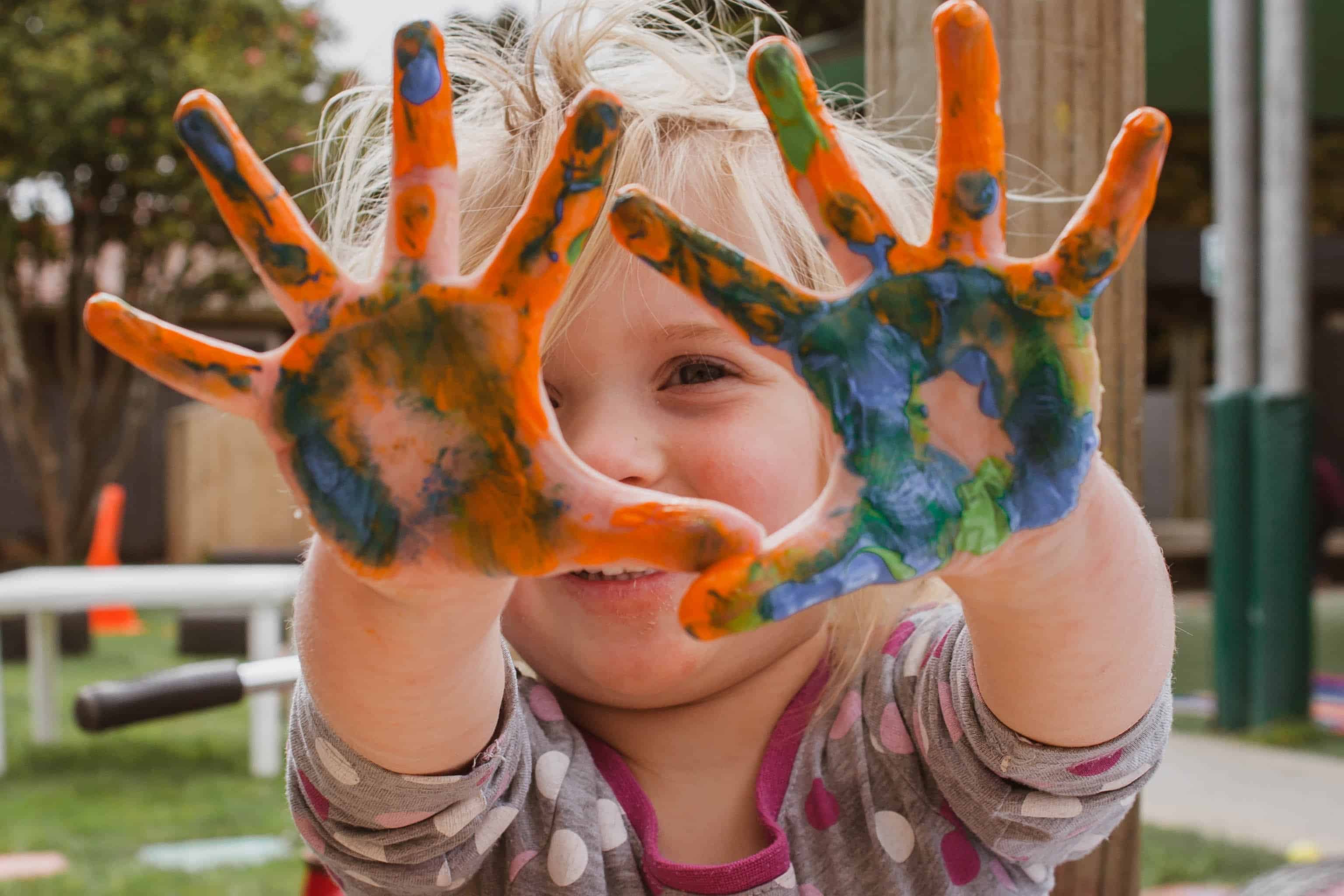
Give your children the chance to explore their imaginations with unstructured playtime. Then, watch as they flourish personally, physically and academically. That’s what it’s all about, after all — watching your child grow up happily and healthily. They can chart the right course just by playing.
Frequently Asked Questions About Child Development and Play
Free play is completely child-led — your child decides what to do and how. Guided play has a gentle adult presence that steers things toward a learning goal while still letting the child explore freely. Both are valuable, and research shows guided play can be especially effective for building early math and literacy skills.
Yes, independent play builds concentration, independence, and imagination. Children don’t need a playmate or a parent present all the time to benefit from play. Sometimes the richest imaginative play happens when kids are left to create their own fun.
That’s completely normal and actually a good sign. Repetitive play helps children master skills, process emotions, and build confidence. Follow their lead — they’re getting something important out of it.
Related Resources:
Perfect for Pinning:
Leave a Reply