
Sneak peek: Your high needs baby requires extra special care. Discover what research says about sensitive infants and how care builds resilience.
If you have a high needs baby, you probably didn’t need a research study to tell you that babies aren’t all wired the same. You may have seen some of your friends’ babies fall asleep easily and sit contentedly for long periods of time. But your baby is different. But your baby is different. They probably cry more, sleep less, and react intensely to the world around them. These babies are often described as high needs, difficult, or very sensitive—labels that can feel overwhelming for you in the moment. But rest assured, your baby is just wired differently.
A fascinating NPR story highlighted research on these sensitive babies. It shares a growing body of developmental science with an encouraging message: many high needs babies are not struggling because something is wrong, but because their nervous systems are especially sensitive to their environments. That sensitivity, while challenging early on, can become a strength over time.

What Does the Phrase “High Needs Baby” Really Mean?
Parents typically use the phrase high needs baby to describe an infant who:
- Cries frequently or intensely
- Is difficult to soothe
- Struggles with sleep
- Reacts strongly to noise, light, or change
- Needs frequent closeness or support
In research terms, these babies are often described as highly reactive or highly sensitive. From early on, their nervous systems respond more strongly to stimulation and stress. This heightened sensitivity shows up early and is considered a core aspect of temperament, a biologically based pattern of emotional and behavioral responses.
Importantly, your parenting does not cause your high needs baby to have this temperament. It’s simple how your unique baby processes the world.
High-Needs Babies Are More Influenced by Parenting
One of the most important frameworks for understanding high needs babies is the theory of differential susceptibility. This concept proposes that some children are more affected by their environments than others—for better and for worse.
Researchers sometimes refer to highly sensitive children as “orchid children.” In less supportive environments, these children are more likely to struggle. But in warm, responsive environments, they often thrive—sometimes even more than their less-sensitive peers.
This means that your high needs baby is not just more vulnerable. They are more responsive to your tender care.
Why Your Care is Especially Important for a High-Needs Baby
Research consistently shows that responsive caregiving plays a particularly powerful role in shaping outcomes for high needs and highly sensitive infants. When caregivers respond promptly, warmly, and consistently to an infant’s cues, sensitive babies are more likely to develop a strong attachment with their parents.
In supportive caregiving environments, high needs babies are more likely to:
- Develop fewer behavior problems later in childhood
- Show strong social and emotional understanding
- Learn effective coping and self-regulation skills
Related reading: More Evidence that “Difficult” Babies are Most Influenced by Parents
High Needs Babies Can Become Resilient Children
One of the most hopeful findings in this research is that high needs babies often have the greatest potential to benefit from responsive parenting. Studies suggest that sensitive children raised in nurturing, responsive contexts may turn into happy, social toddlers.
For your high needs baby, your supportive caregiving can act as a powerful protective factor.
Through repeated experiences of being soothed, understood, and supported, sensitive babies gradually learn that the world is predictable and safe. Over time, this lays the foundation for emotional regulation, confidence, and resilience.

A Reassuring Message
If you are parenting a high needs baby, this research offers reassurance rather than pressure. Your baby needs more support, but they are not doing it on purpose, and you’re not “spoiling” them. A baby cannot be spoiled by offering an abundance of love and care.
Responding to a high needs baby with sensitivity does not make them dependent—it helps them develop the internal tools they need to cope with the world. What feels exhausting now may be building emotional strength, empathy, and resilience for the future.
Frequently Asked Questions About High-Needs Babies
A high needs baby is an infant who requires more support than average to feel calm and regulated. These babies may cry more, need frequent holding, struggle with sleep, or react strongly to stimulation. Research suggests many high needs babies have highly sensitive or reactive nervous systems, meaning they experience the world more intensely from the start.
Being a high needs baby is largely related to temperament, which has a biological foundation and appears very early in life. Parenting does not cause a baby to be high needs. However, caregiving quality strongly influences how that sensitivity plays out over time.
Many high needs babies become more regulated as their nervous systems mature, especially when they receive consistent, responsive care. While sensitivity often remains part of a child’s personality, the intensity usually decreases with development. With support, many high needs babies grow into social, resilient children.
The most powerful support you can offer is consistent, emotionally attuned responsiveness. Helping your baby feel safe, understood, and soothed builds trust in the world—and lays the groundwork for resilience, emotional regulation, and confidence later in life.
How to Help Your High-Needs Baby
Parenting a high needs baby can be exhausting and other people often don’t understand the stress and worry you experience. While there’s no one-size-fits-all solution, research on sensitive temperaments points to a few strategies that tend to be especially helpful.
1. Reduce stimulation when possible
Many high needs babies become overwhelmed easily. Watching for early signs of overstimulation—turning away, arching, stiffening, frantic crying—can help you intervene before distress escalates.
Helpful supports may include:
- Quieter environments
- Dimmer lighting
- Predictable routines
- Fewer transitions
Less stimulation can make regulation easier for a sensitive nervous system.
2. Use your body to help them regulate
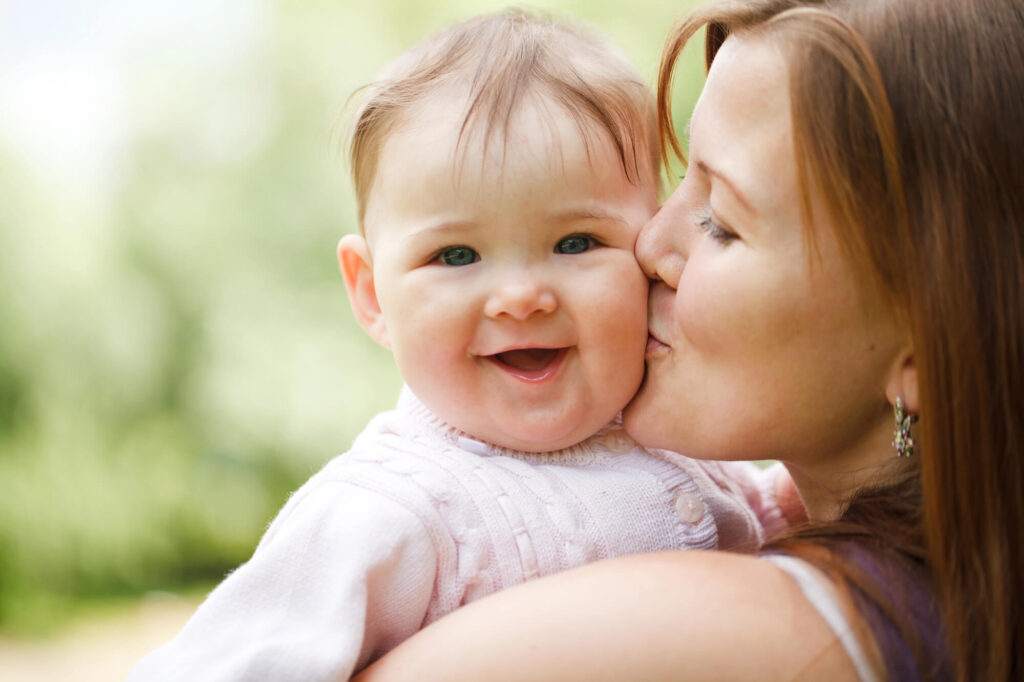
High needs babies often regulate best through close physical contact. Holding, rocking, babywearing, and skin-to-skin contact provide rhythmic input that helps calm their nervous systems. This is not dependency—it’s coregulation, a normal developmental process in infancy.
3. Follow your baby’s cues
High needs babies rarely respond well to rigid schedules or generic sleep advice. Paying attention to your baby’s signals—sleepy cues, hunger cues, stress signs—will usually be more effective than following prescriptive rules designed for less-sensitive infants.
4. Seek out support
Because high needs babies require more emotional and physical energy, caregiver burnout is a real risk. Seeking support—whether from a partner, trusted family member, therapist, or parent group—helps protect the relationship that matters most. You being able to stay calm and responsive is perhaps the most protective factor for your baby.
5. Reframe “difficult” as “deeply feeling”
Language matters. Viewing your baby as difficult can increase frustration and self-doubt. Reframing your high needs baby as highly sensitive aligns more closely with the research—and may help you respond with more empathy and confidence.
Enjoy my evidence-based writing? Add this page as a preferred source, and you’ll see more of my work in your Google search results. Thank you!
Leave a Reply