
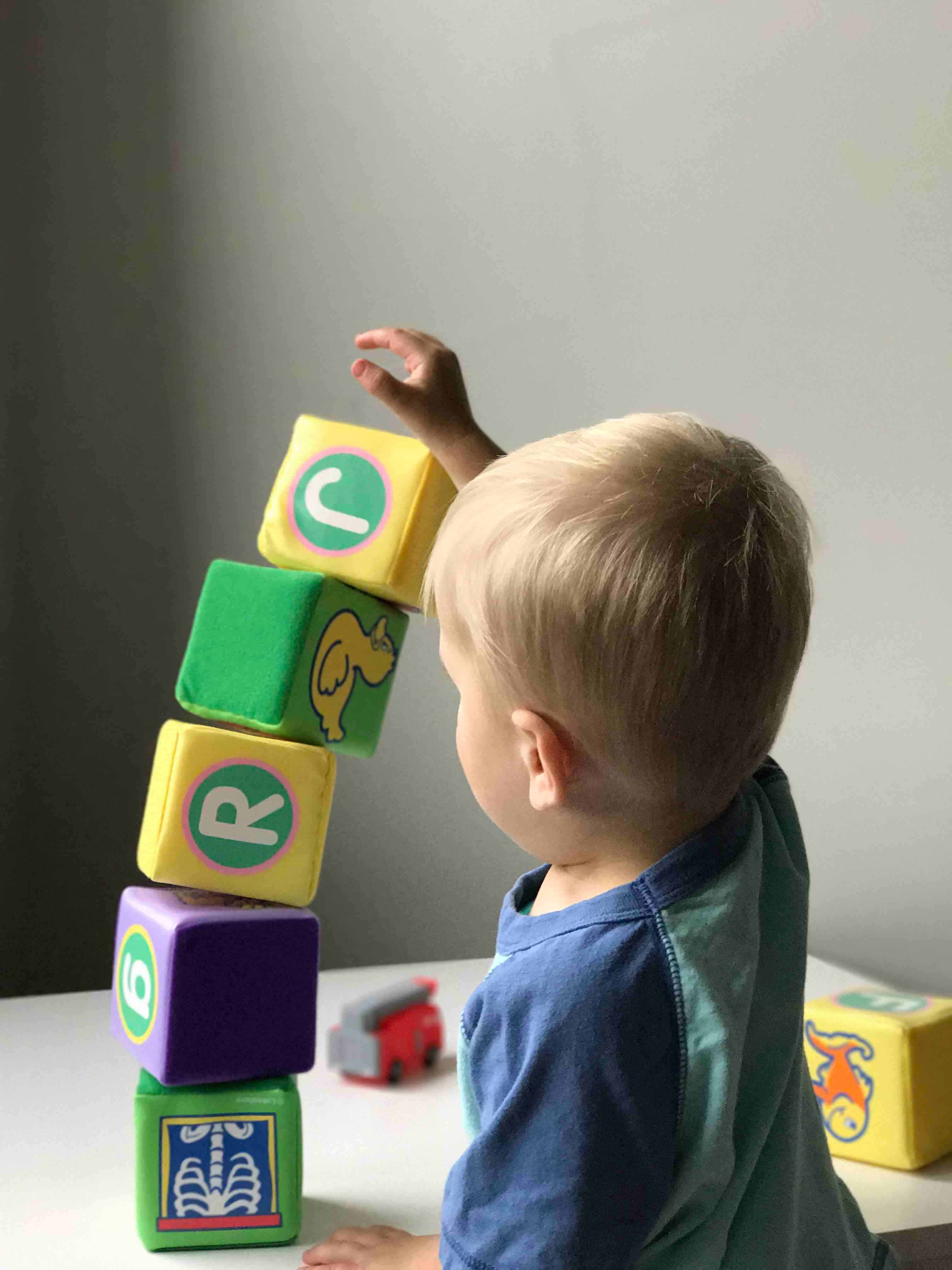
Sneak peek: Why do traditional toys still matter in an age of high-tech and electronic entertainment for kids? Research helps us see the developmental benefits of traditional baby toys.
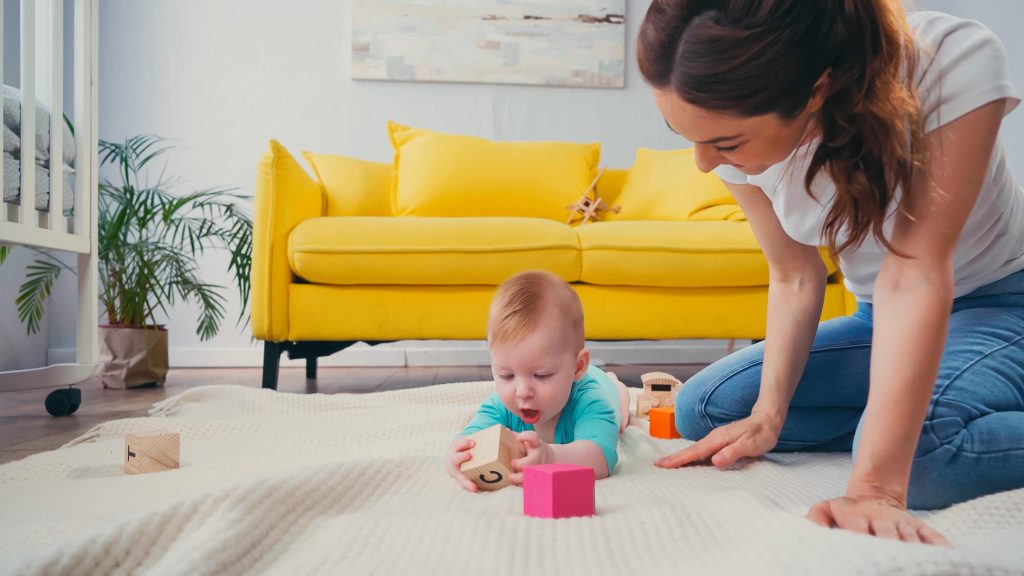
Before you had your first child, you probably swore to yourself that you wouldn’t be one of those families who allow toys to take over your house. However, between holiday and birthday gifts from friends, family, grandparents, and others, your child has received an abundance of toys. In this barrage of items, they undoubtedly received many electronic toys in the mix. You may wonder if these electronic toys offer any added benefits than the traditional toys or books that kids have used for decades. This is a common question in the world of child development and parenting. In the debate over electronic versus traditional toys, is there a clear, objective best choice?
The Research on Toys for Babies
Luckily, some new research is enlightening us on the topic of traditional versus electronic baby toys. This new study from Northern Arizona University looked at the following:
- 26 child-parent pairs
- children were ages 10-16 months old
- compared three types of toys: (1) electronic (e.g., baby laptop); (2) traditional baby toy (e.g., blocks or sorting toy); (3) board books
The researchers fitted the families’ homes with audio recording equipment to monitor how language changed as they interacted with each of the toys.
The results showed some interesting findings: when playing with electronic toys adults used fewer words, there were fewer back-and-forth interactions between parent and child, and the parents responded less to the child. As compared to playing with books
When comparing playing with traditional baby toys versus books, it was also found that parents used fewer words with traditional toys than books.
Overall, most of the differences in word use were:
– between electronic toys and books,
– followed by electronic toys and traditional baby toys
Related reading: Toys for Emotional Development: Gifts that Keep Giving
Are Electronic Toys Bad for Babies?
Okay, so why is this important? Is it really important how much a parent talks to their child during play with toys? Not surprisingly, the clear answer is “yes.” The language interaction between children and parents (especially infants on the cusp of learning language) is crucial not only to language development but social skills and interpersonal interaction.
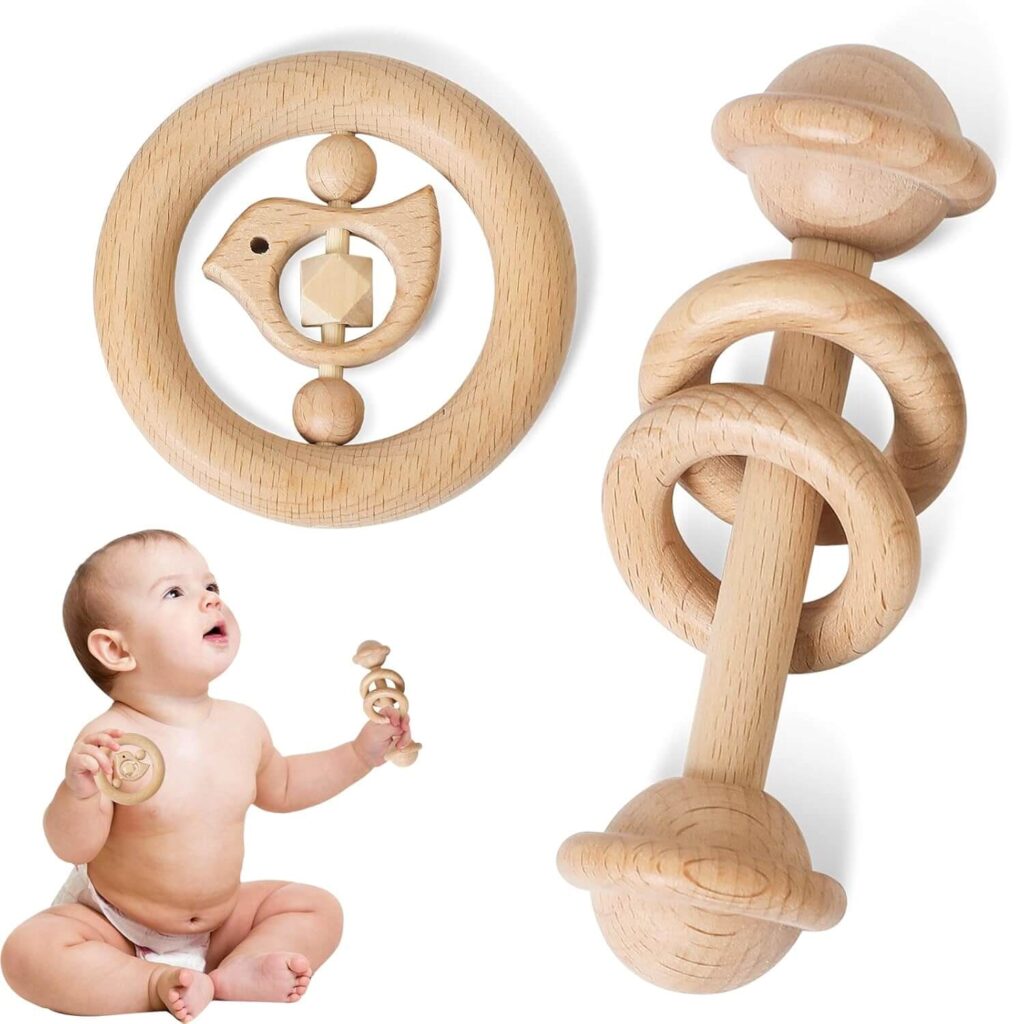
Electronic toys, however, are pretty much ubiquitous. Young children are very attracted to them. So what is a parent to do? Electronic toys can be helpful if used sparingly. We all need a few minutes to do dishes or cook a meal and these toys can be distractions for a few minutes. Traditional toys (like those listed below) offer many more ways for infants to learn and interact. These types of traditional toys for babies are more open-ended, offer multiple ways of playing (instead of just pushing a button), and support more communication with adults.
It’s good, however, to keep in mind that you are the best “toy” for your infant. Talking to your baby about toys and books is the best way for them to learn language and interaction skills.

Most infants do not have the attention span to listen to a book for long but if you get in the habit of doing dialogic reading
Related reading:
Research-Backed Tips for Choosing Age Appropriate Toys
Classic Books for Babies that Boost Brain Development

Traditional Toys for Babies

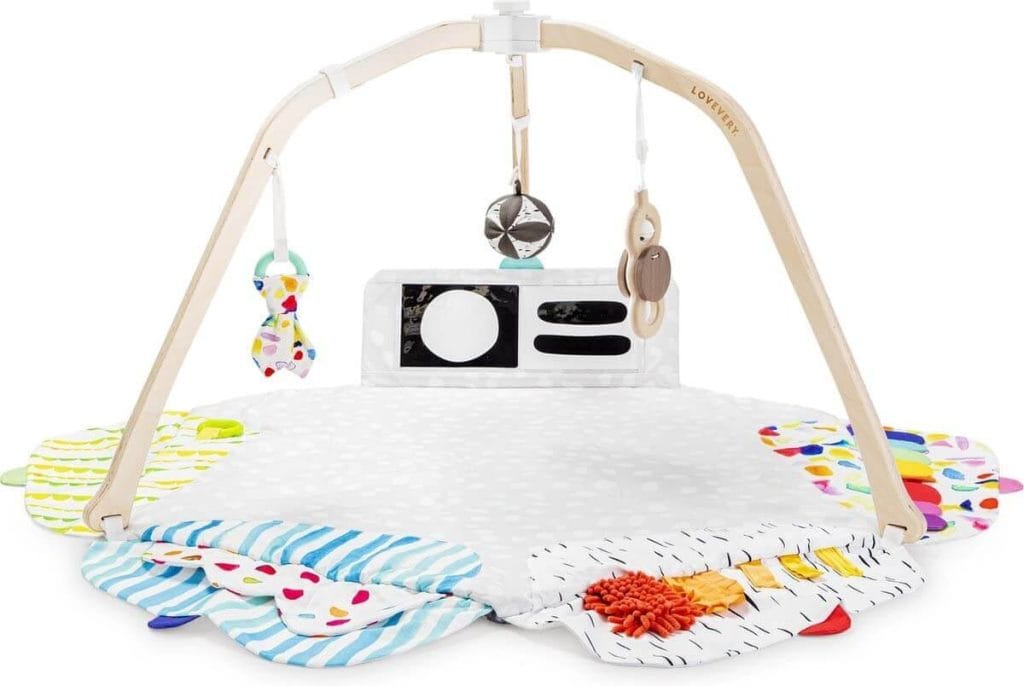
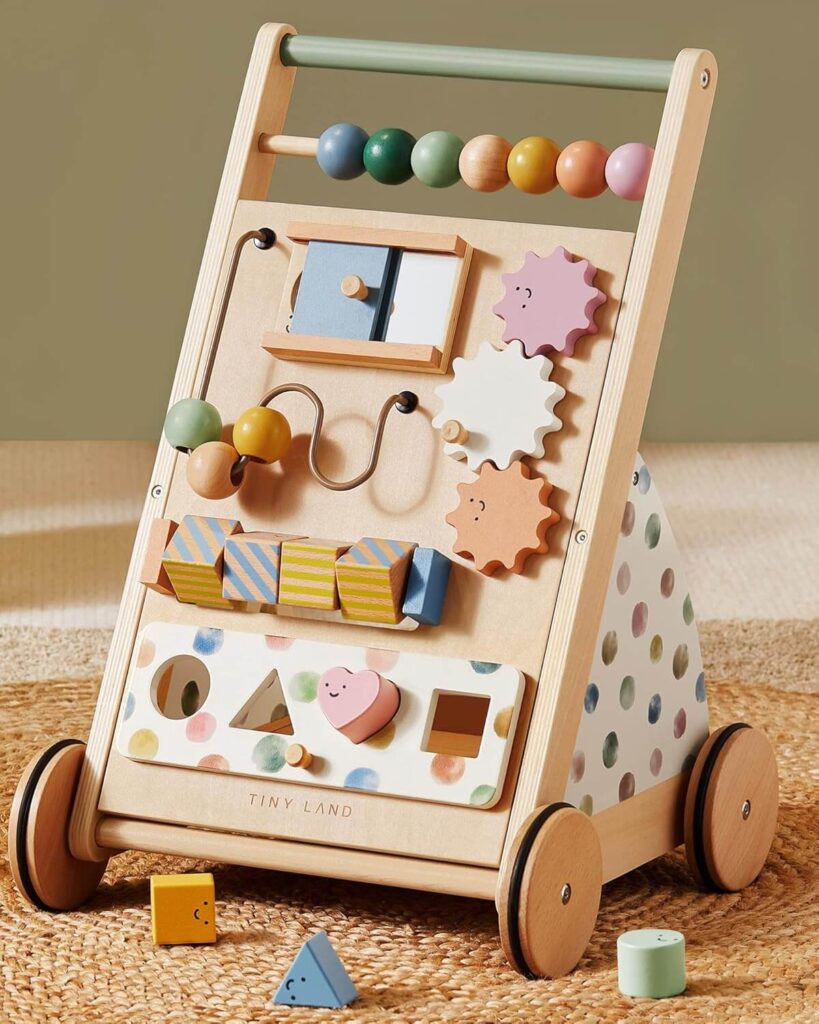


Research: Sosa, A. (2015). Association of the Type of Toy Used During Play With the Quantity and Quality of Parent-Infant Communication JAMA Pediatrics DOI: 10.1001/jamapediatrics.2015.3753
Leave a Reply