

As a parent of two boys, I’ve learned that habits are easier to build when kids understand why they matter. These books about habits for kids turn bedtime, tooth-brushing, tidying up, and manners into stories your child will ask to hear again and again.
I read Atomic Habits a few years ago, and I quickly saw why it was a bestseller. The science James Clear discusses was not only interesting to read, but it reinforced the importance of habit formation. I often tell my teenage boys that good habits are the cheat code for adulthood. So many things we do each day become easier once we’ve established a healthy habit, and that makes adulting so much simpler.
As parents, the challenge is that we’re trying to establish good habits with our children, some at a fairly early age. It starts early and simple: brushing teeth, eating healthy foods, having a relaxing bedtime routine that actually calms them for sleep. These things seem simple from the outside, but as parents we know that establishing them with young children is often much harder than it looks.
Kids can be unpredictable. They don’t yet have the emotional regulation skills to manage the feelings that come up during these routines, so in real life, habit formation with young children can feel complicated.
The Science of Habit Formation
When we go back to science, the key takeaway is this: the smaller the steps, the better. Whether we’re establishing a habit for ourselves or for our children, breaking it into very small pieces is often the first step.
Small Steps First
When you break a habit down into an action so small that it’s very hard to resist, it’s much easier to follow through. This works really well for adults, and you’ve probably seen it in your own life.
Say you want to start exercising each day. One of the most important things is to break that ambitious goal into smaller steps. You’ve probably seen the advice: sleep in your workout clothes, or lay them out right next to your bed so you can exercise first thing in the morning. It’s all about building into your schedule a way to overcome your resistance to the habit. It also helps to tie that small action into something you already do. This is known as “habit stacking.” For instance, to start exercising, you could commit to doing one pushup every morning after you brush your teeth. We can do the same with our kids by breaking their habits into small steps.
Repetition Is Key
Another point that can’t be overlooked is repetition. The statistic researchers often quote is that it takes about 40 days to establish a new habit. In reality, it takes anywhere from 18 to 254 days, depending on repetition (and other factors). So if you’re having trouble establishing a new habit with your kids, remember that statistic: you’re in it for the long haul.

I’ve definitely seen this with my own kids. In my experience, it holds true not only for tangible routines like teeth brushing and bedtime, but also for habits of mind, like manners (e.g., saying thank you), and emotional habits, like not saying negative things about yourself.
Consistency Matters
Finally, I want to emphasize the role of consistency. We hear it in parenting articles all the time, and it’s true: kids need consistency in order for a habit to stick. They also need it to feel a sense of predictability and control in their lives.
Related reading: How to Handle Toddler Tantrums: Research-Backed Tips
Helping Kids Understand Habits
The sooner we help our kids understand the importance of habits and routines, and how they work, the better. Healthy habits support their overall life skills, success, and happiness. Habits can seem boring and repetitive because we engage in them with our kids for so many years, but they set up a pattern of behavior that helps life flow more smoothly.
This post was inspired by a new children’s book that has just released called, Baby Rabbit Builds a Habit. It’s based on the science of habit formation, translated into a story that children can understand and relate to. You and your child can read it together and understand why the small steps you take each night at bedtime help them build a better habit. The same process can be applied to any number of habits and routines you try to establish with your kids. It discusses the key components of habit formation in a child-friendly way.
What Are the Three Parts of a Habit?
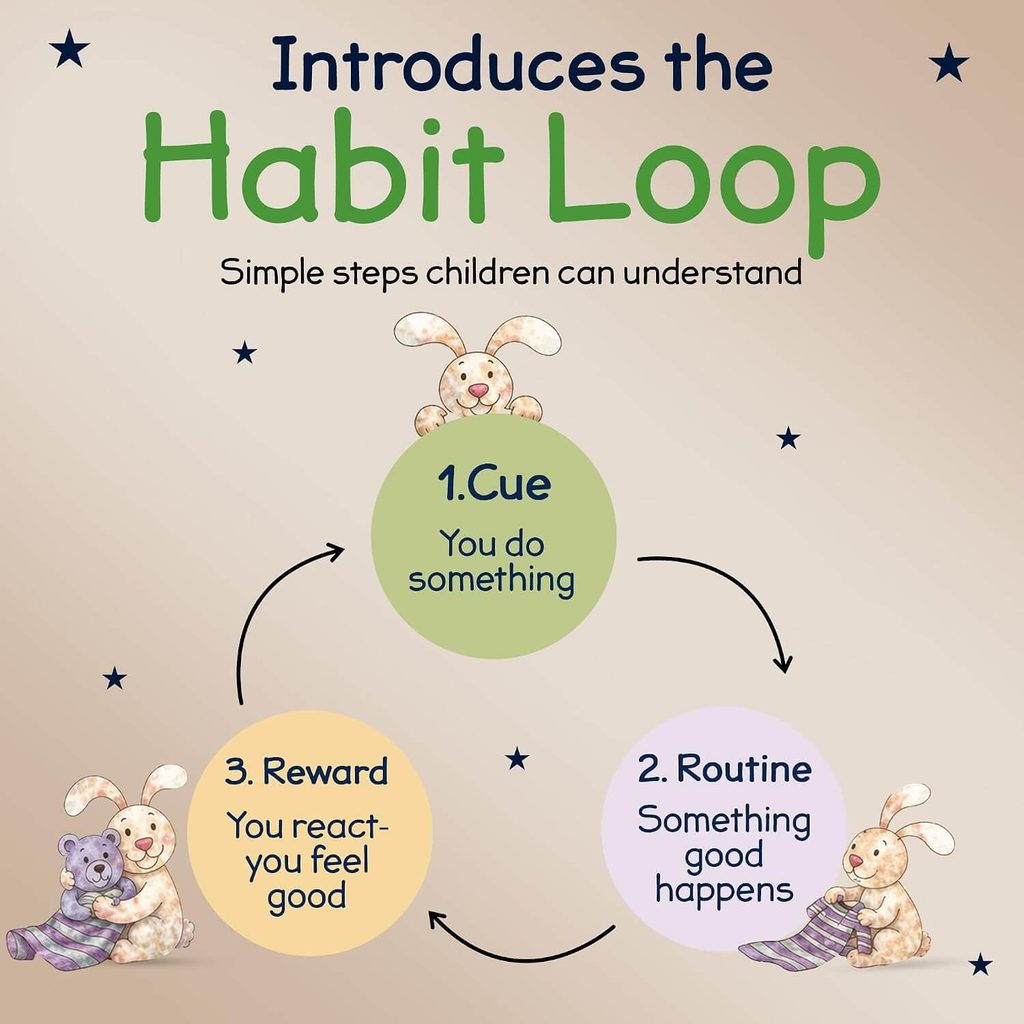
Every habit follows a simple loop: a cue, a routine, and a reward. Here’s how it works for a child’s bedtime:
- Cue: the signal that starts the routine.
- Routine: the steps your child follows.
- Reward: something that feels good and gives your child a reason to repeat it.
Repeating this loop night after night is what turns a routine into a habit.
The Underestimated Value of Healthy Habits
The role habits play in our lives shouldn’t be underestimated. I’ve often told my kids that good habits almost beat out any extraordinary skill you might have. If you consistently practice healthy habits that serve you well, that’s often as good as, or better than, having an extraordinary skill in a certain area.
I’ve seen this in many ways in my own life, and in the lives of friends and family. The person who has set up good habits and consistently shows up, with mind and body present, serves those around them well. Strong habits that help you meet your goals will always serve you well.
Healthy habits won’t make you famous or make you viral on social media, but they’re often the difference between the person who gets the raise and the one who doesn’t, or between the person who meets their goals and the one who is very ambitious but has no follow-through.
The important point for all of us (including kids and teens) to understand is that even though habits and routines can seem boring, they often form the foundation for a lot of growth and success.

Books About Habits (for Kids)
Since habits are built through repetition, it helps to hear the message in more than one way. These books bring the ideas of small steps, consistency, and patience down to a child’s level, and they make great read-alouds to return to again and again.
Best Bedtime Routine Books for Toddlers and Preschoolers
Baby Rabbit Builds a Habit by Ben Granlund (Ages 2-6, hardcover)
When bedtime feels messy, stressful, and full of missing stuffies, Remy Rabbit and Mama discover the power of simple habits to turn bedtime chaos into calm. Through bubbles, pajamas, stories, and small everyday steps, Remy learns that routines can make hard things easier — and even fun!
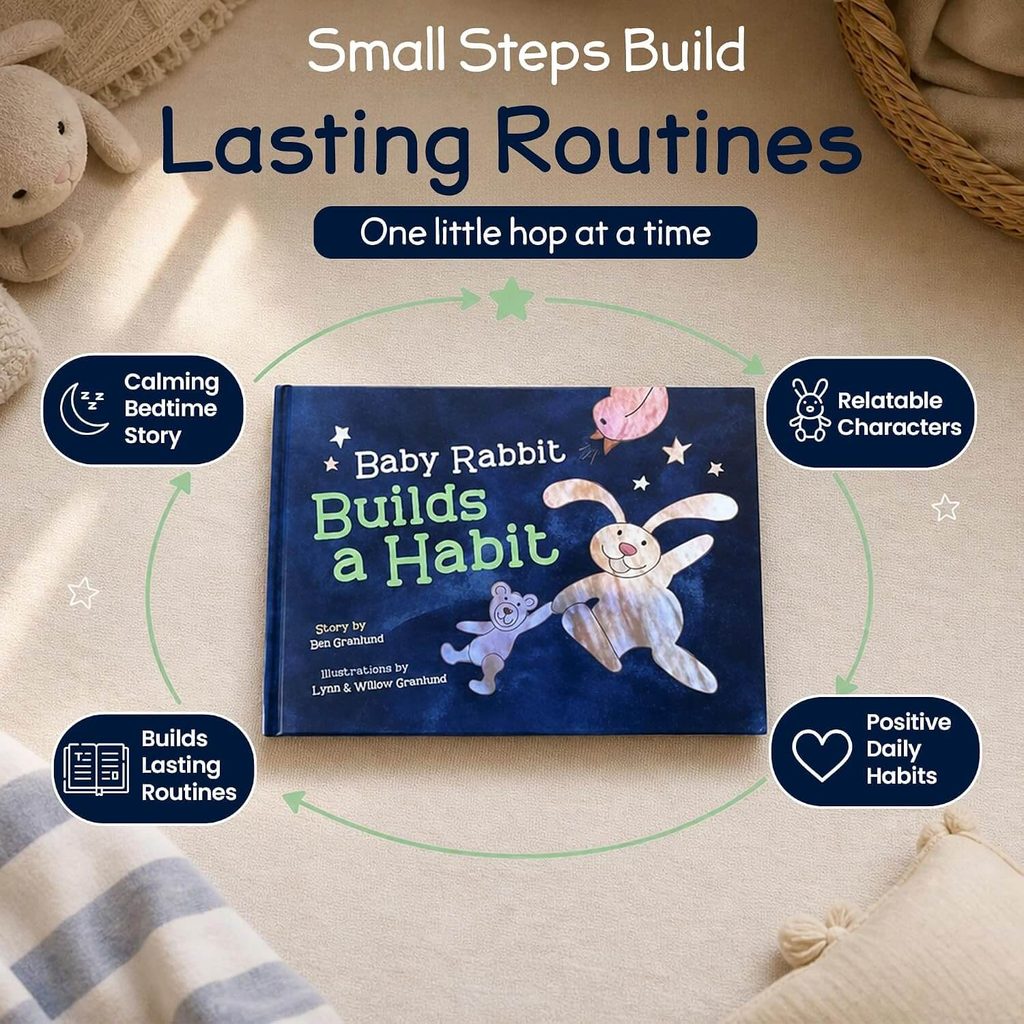
Baby Rabbit Builds a Habit is a playful rhyming story that introduces young children to healthy routines, emotional growth, and the power of consistency, one little hop at a time. Grounded in the science of habit-building, it also gives grown-ups a fun and meaningful way to help little ones build positive habits together. It includes stickers so kids can build their own routine, plus a free habit tracker.
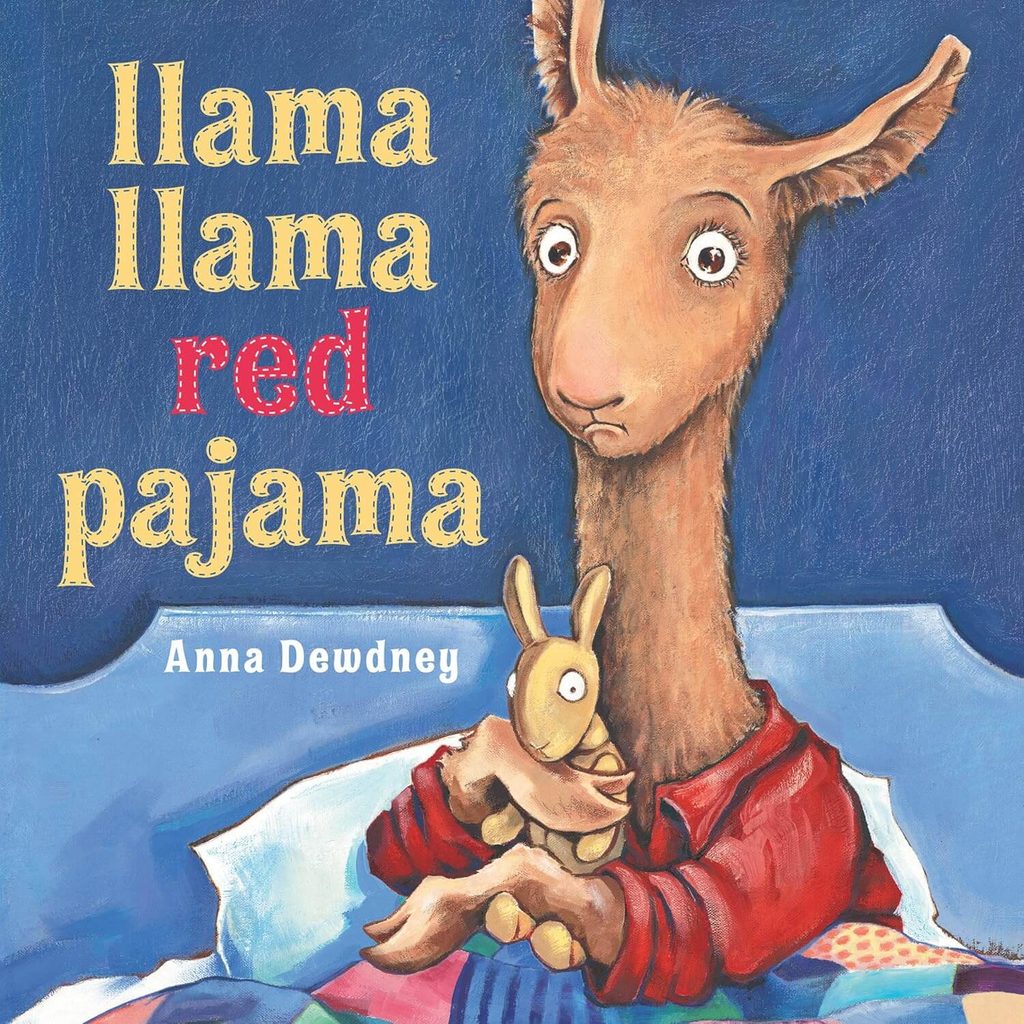
Llama Llama Red Pajama by Anna Dewdney (Ages 2-5, picture book)
When Mama Llama steps out of the room, Baby Llama’s worries pile up. The rhyming story speaks to bedtime fears and ends with the reassurance that Mama is always nearby.
Books for Morning Routines and Daily Rhythms
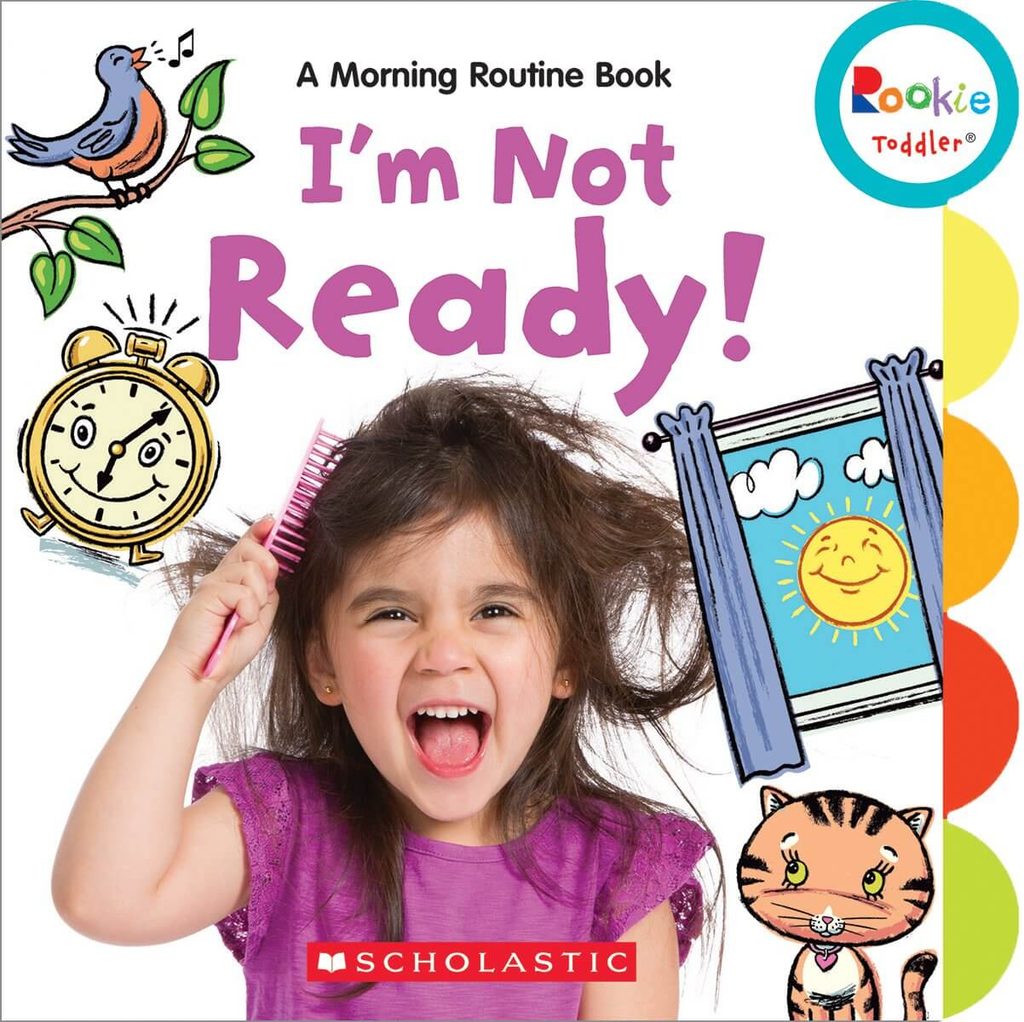
I’m Not Ready!: A Morning Routine Book by Janice Behrens (Ages 1-3, board book)
Every parent has heard the “I’m not ready!” chorus. This sturdy board book walks toddlers through getting dressed, eating breakfast, and heading out the door, with a little humor for the days that feel like a struggle.
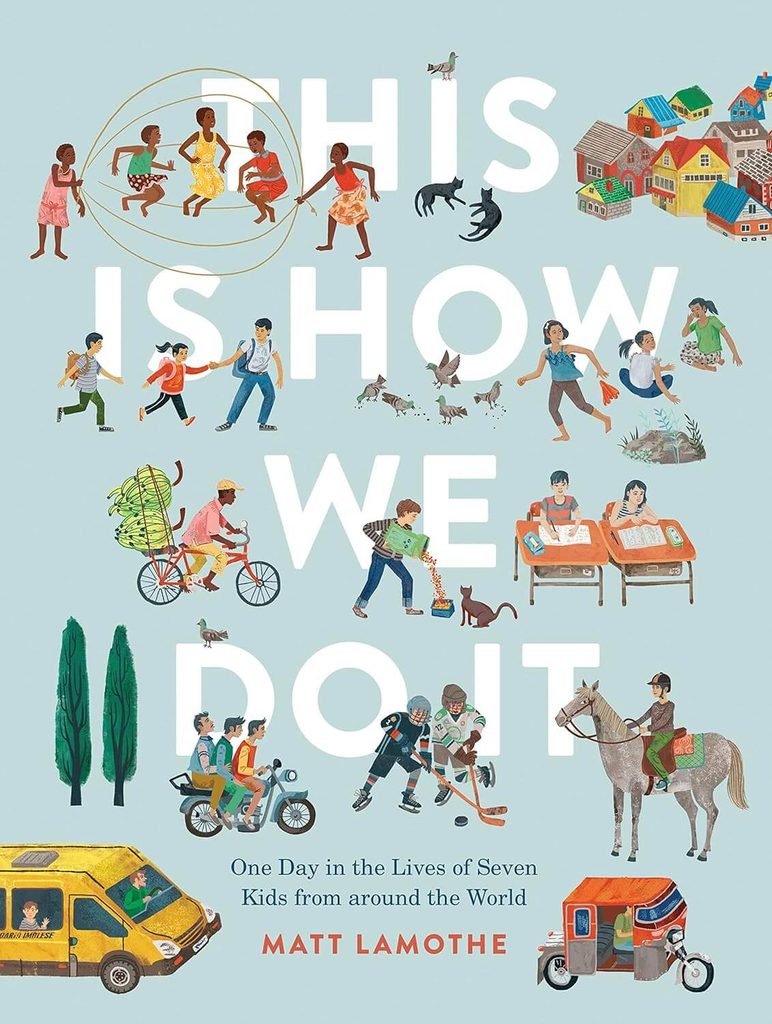
This Is How We Do It: One Day in the Lives of Seven Kids from around the World by Matt Lamothe (Ages 4-8, hardcover)
Follow seven real children from Italy, Japan, Peru, and beyond as they wake up, eat, play, and go to bed. It shows kids that routines look different everywhere, and that everyone has them.
Books to Teach Kids to Brush Their Teeth
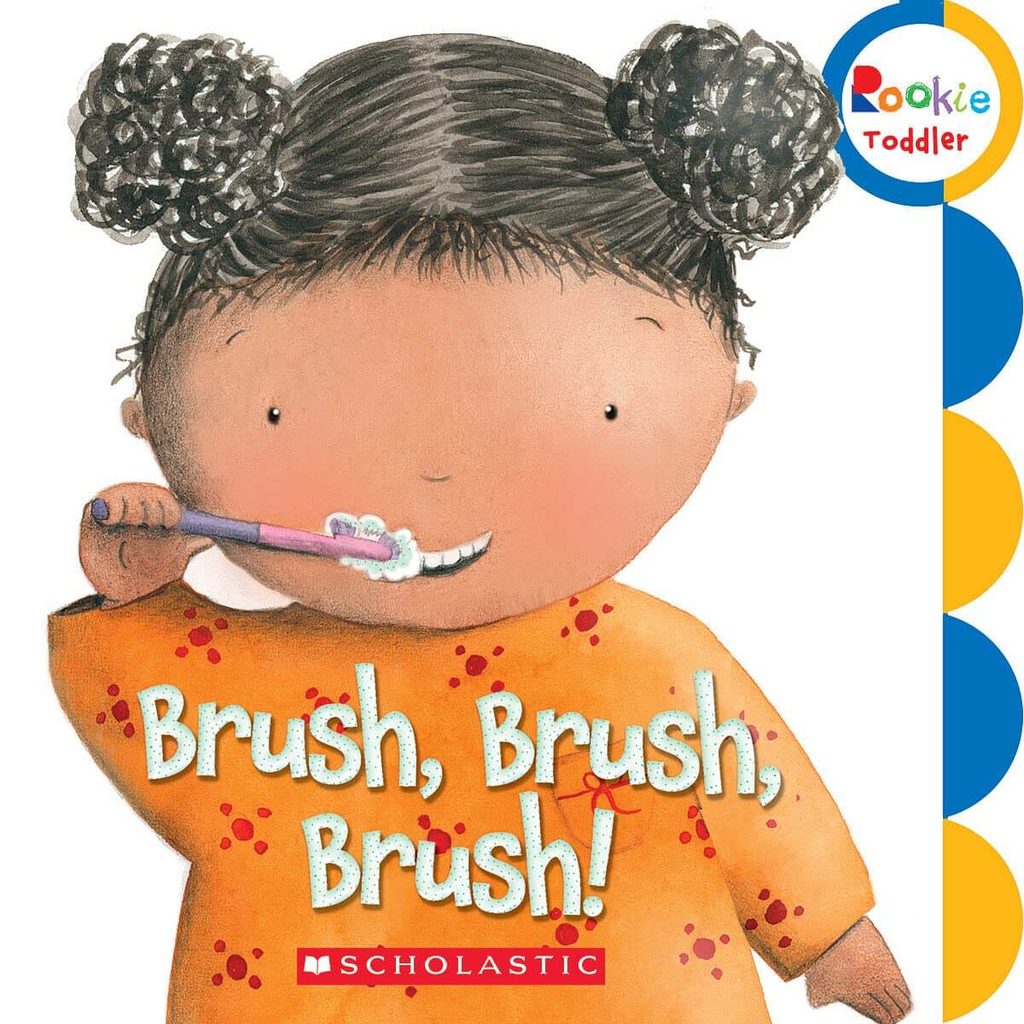
Brush, Brush, Brush! by Alicia Padron (Ages 1-3, board book)
Simple and fun, this book turns toothbrushing into something to cheer about. It’s a good one to read right before starting to brush.
Books About Healthy Eating
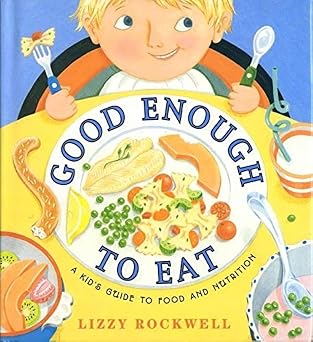
Good Enough to Eat: A Kid’s Guide to Food and Nutrition by Lizzy Rockwell (Ages 4-8, paperback)
Kids learn what food does for their bodies, from fueling playtime to building strong muscles. It also includes kid-friendly recipes, so you can turn reading into cooking together. All these activities can help reinforce the healthy eating habit.
Books About Cleaning Up and Chores for Kids
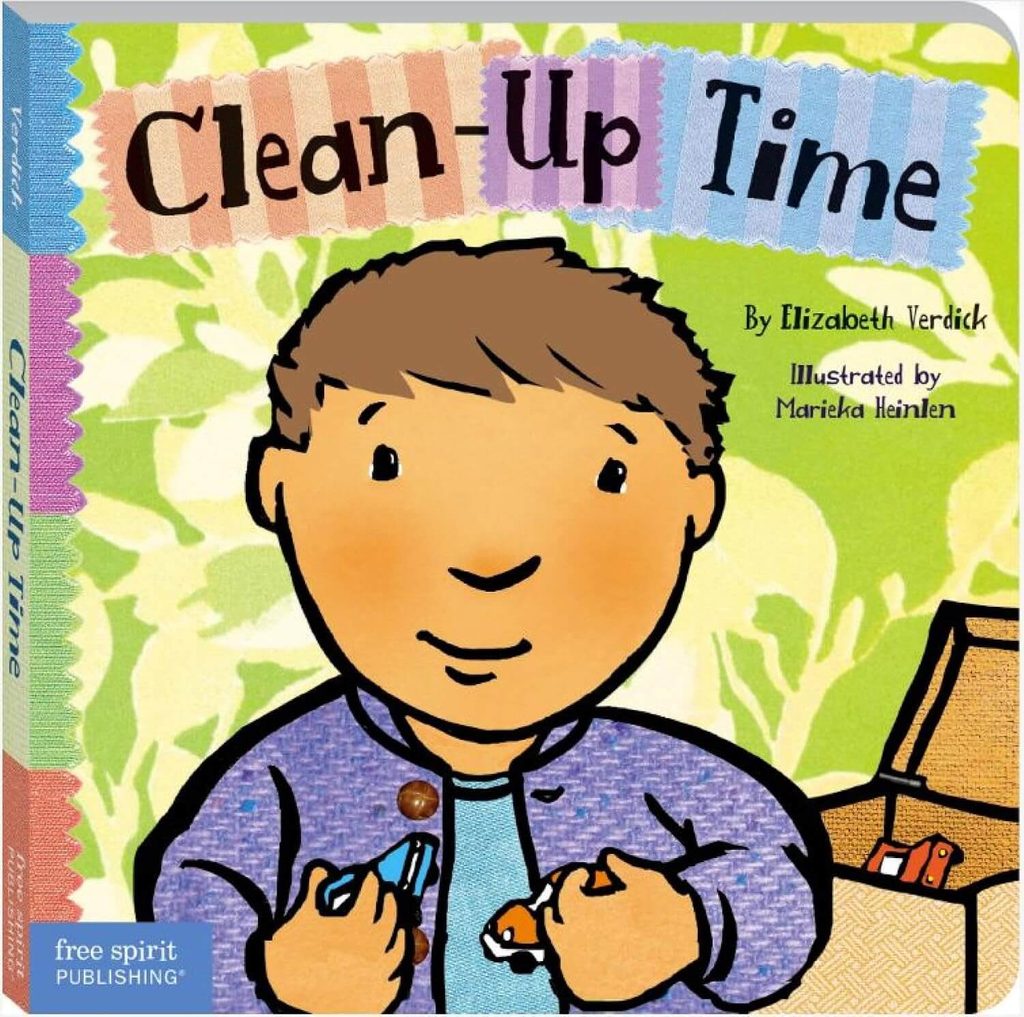
Clean-Up Time by Elizabeth Verdick (Ages 1-3, board book)
Short, cheerful, and made for little hands, this book makes picking up toys feel doable and even fun. It’s a good starting point for toddlers learning to help.
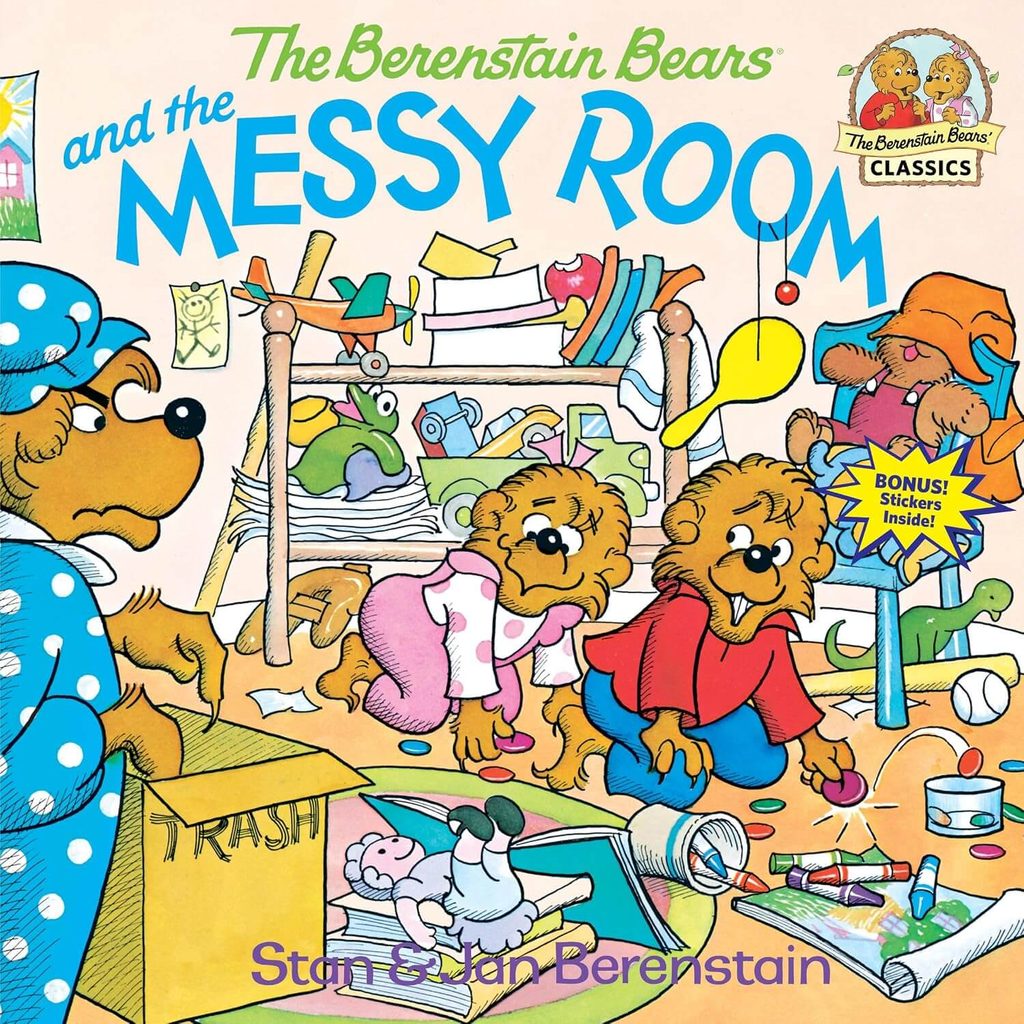
The Berenstain Bears and the Messy Room by Stan and Jan Berenstain (Ages 3-7, paperback)
Sister Bear’s room is a disaster, and Mama Bear is frustrated. It’s a gentle, humorous look at why we tidy up, and it works well for slightly older kids.
Books That Teach Kids Manners
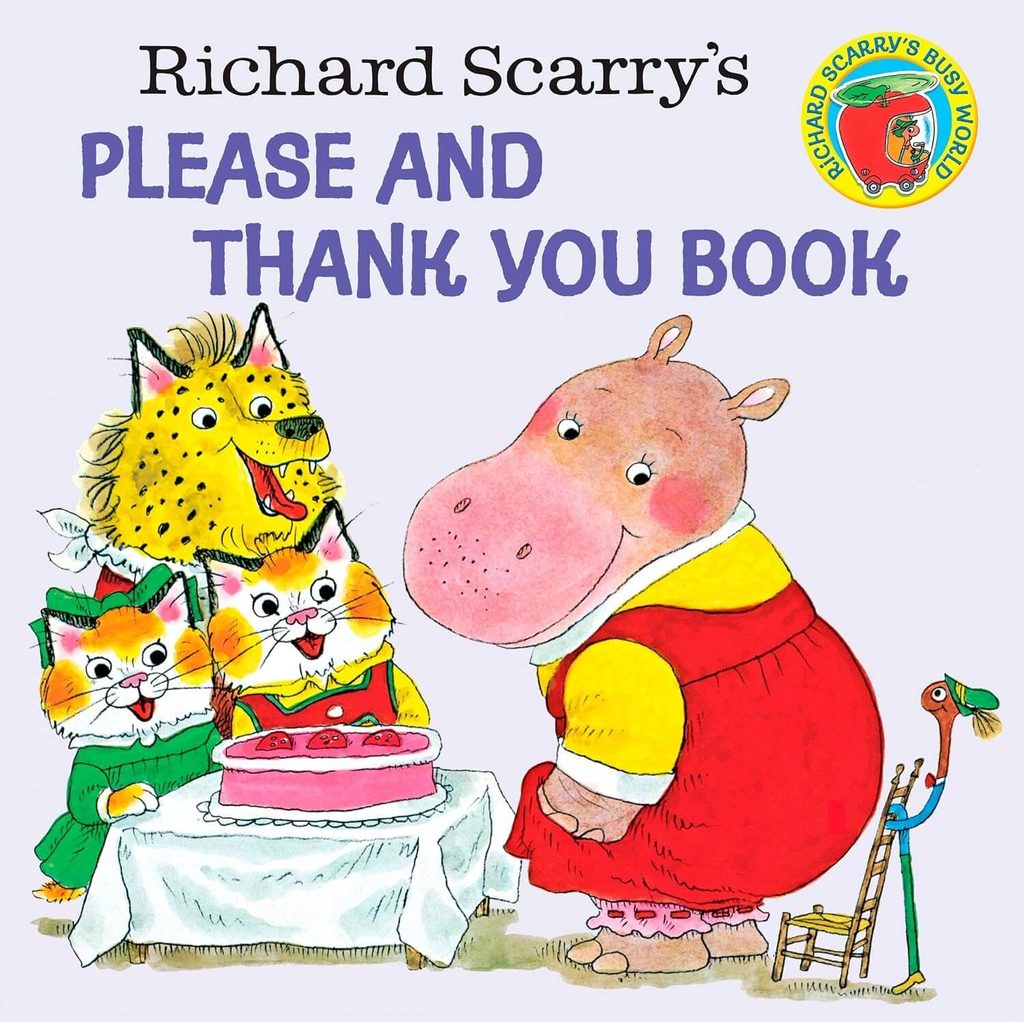
Richard Scarry’s Please and Thank You Book by Richard Scarry (Ages 2-5, paperback)
A classic book that many of us remember of our own childhood. Busytown’s animals show good manners in all kinds of everyday moments. The pages are full of details, so kids will want to read it again and again.
FAQ About Helping Children Build Healthy Habits
Routines can start in infancy, such as a consistent bedtime sequence of bath, book, and song. By around ages 1-3, toddlers can follow simple steps like brushing teeth or picking up toys with your help. Preschoolers (ages 3-6) can start remembering the steps on their own with visual cues like a sticker chart.
Read the book right before the routine, such as a bedtime story before pajamas or a toothbrushing book before brushing. Point out the steps the character takes and let your child act them out. Then repeat the same book consistently, since repetition is what makes the habit stick.
Every habit has a cue, a routine, and a reward. The cue is the signal that starts it (like putting on pajamas), the routine is the steps themselves (brush, read, hug), and the reward is something that feels good and gives your child a reason to repeat it.
Written by Amy Webb, Ph.D.
Leave a Reply