
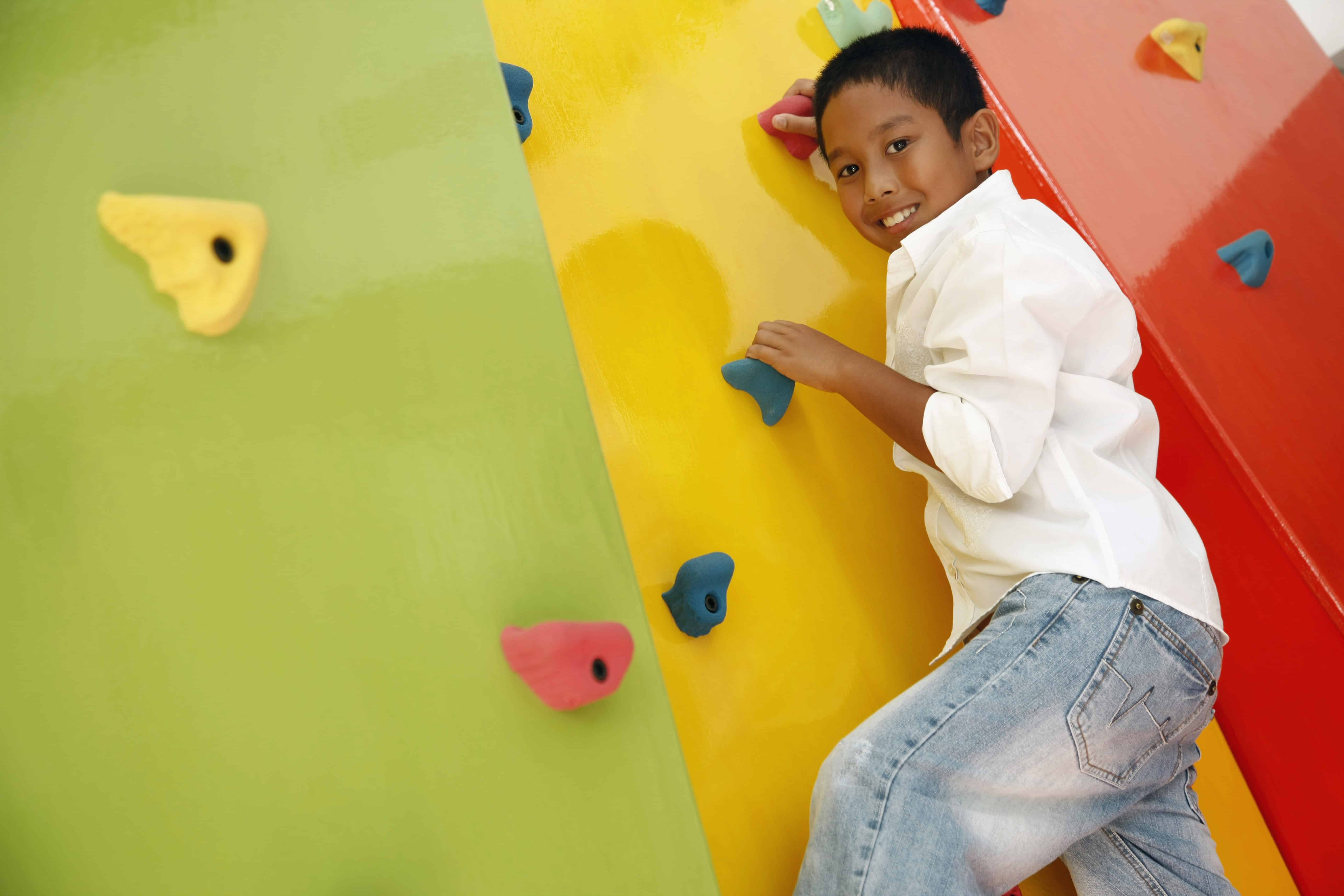
What are 25+ awesome experience gift ideas for kids?
Experience gifts for kids are beneficial because research indicates they elicit a stronger emotional response than material gifts, thereby strengthening the bond between the giver and receiver. These types of gifts also align with findings that children with fewer toys engage in more creative and focused play, as they are less distracted. The Thoughtful Parent highlights that this approach offers a different way to foster a good life, focusing on experiences rather than excessive consumption. Looking for some “outside the box” gift ideas that kids will definitely remember? How about some experience gifts for kids that they will love? I was listening to a story on the radio yesterday and the author profiled had written a book about consumption. He said if the whole world bought things at the rate at which Americans consume “stuff” (i.e., consumer goods), it would take five planet Earths to support us. He also said that from since 1970 the American population has grown 60%, but American consumption of consumer goods (adjusted for inflation) has increased 400%. Now, this is probably not the message you want hear as most of us are scrambling to buy gifts and more “stuff” for our friends and family members. This is not meant to be a lecture about consumption. But just a point of awareness. The ironic part of consumption, particularly in the West, is that despite our purchasing power, we’re not necessarily any happier than people in any other part of the world. When asked about consumption in other parts of the world, author J. B. MacKinnon says, “What anthropologists have learned is that there are different ways that we can approach the project of having a good life. I think the way that we have approached it in the modern West is to give ourselves access to a lot of things and we’ve don’t that by creating an economy that revolves around that…and hunter-gatherer cultures have taken quite a different approach. They took the approach of meeting their needs by having few of them and choosing needs that can be pretty easily fulfilled off the landscape around them. And when they did that, what they gave themselves was a lot more leisure time than we take advantage of in our culture.”
Experience gifts for kids, such as trips or museum memberships, are beneficial because research indicates they elicit a stronger emotional response than material gifts, thereby strengthening the bond between the giver and receiver. These types of gifts also align with findings that children with fewer toys engage in more creative and focused play, as they are less distracted. The Thoughtful Parent highlights that this approach offers a different way to foster a good life, focusing on experiences rather than excessive consumption.
I was listening to a story on the radio yesterday and the author profiled had written a book about consumption. He said if the whole world bought things at the rate at which Americans consume “stuff” (i.e., consumer goods), it would take five planet Earths to support us.
He also said that from since 1970 the American population has grown 60%, but American consumption of consumer goods (adjusted for inflation) has increased 400%.
Now, this is probably not the message you want to hear as most of us are scrambling to buy gifts and more “stuff” for our friends and family members. This is not meant to be a lecture about consumption. But just a point of awareness.
The ironic part of consumption, particularly in the West, is that despite our purchasing power, we’re not necessarily any happier than people in any other part of the world.
When asked about consumption in other parts of the world, author J. B. MacKinnon says,
“What anthropologists have learned is that there are different ways that we can approach the project of having a good life. I think the way that we have approached it in the modern West is to give ourselves access to a lot of things and we’ve don’t that by creating an economy that revolves around that…and hunter-gatherer cultures have taken quite a different approach. They took the approach of meeting their needs by having few of them and choosing needs that can be pretty easily fulfilled off the landscape around them. And when they did that, what they gave themselves was a lot more leisure time than we take advantage of in our culture.”

Fewer Toys = More Play
The idea that “less is more” is perhaps most evident in the research about toys and children. There’s quite a bit of research now that shows that children who have fewer toys actually play with them more.
Not only do children play with toys more when they have fewer toys, but theyalso play in more creative ways. Researchers believe this happens because young children don’t get as easily distracted when they only have access to a few toys.
So, as we approach this holiday season, if you are like many parents who are trying to cut back on the number of toys that come into your house, what are you left with in terms of gift options? One option that has become more popular in recent years is the idea of experience gifts for kids. A gift that isn’t a “thing” but rather an experience. The possibilities for these are almost endless.
They can be things like trips or membership at a zoo or museum trips to an amusement park or a play place. (See the list at the end for more ideas.)
Related reading: Toys and Gifts for Emotional Development
Research shows that there are a lot of benefits to these experience gifts. Some studies have shown that when people receive an experience gift rather than a tangible, material gift, they have a stronger emotional response. The researchers believe that this response helps strengthen the bond between the gift giver and the gift recipient. Furthermore, it also seems to promote a stronger sense of gratitude. One study showed that people who received an experience gift showed more gratitude than those who received a material item. This is really interesting and thought-provoking when it comes to our kids.
If the whole point of giving a gift is to express our affection and love for them, as well as create an emotional connection between us, then it seems experience gifts are really the way to go. And with this added bonus of the fact that it promotes more gratitude, it seems like it’s a win-win for all involved.
Making the Switch to Experience Gifts
So if you’re on board with the idea of experience gifts, I have some ideas for you here. But the other potentially tricky aspect of this is getting kids on board with the idea of experience gifts. It is kind of a cultural norm for kids to make lists of toys and items that they want for Christmas. It might be hard to shift their perspective to more experience gifts. Don’t worry! It can be done.
Here are a few tips:
- Discuss in advance the idea of an experience gift and its value and benefit over a toy or an item.
- Encourage kids to think about experiences that they have liked in the past that could be turned into gifts.
- Discuss the importance of memory-making. I think this is a key part of and a benefit of experience gifts. I think it’s helpful to discuss this with kids—the fact that when we experience something together, we make a memory and that memory will hopefully last a lifetime. Whereas a toy gets played with for a few months or maybe a year and then it’s often given away or thrown out or forgotten about.
An experience, and especially the memory that goes along with it, is something that you get to keep your whole life. I think making that distinction for kids could be really meaningful for them because they can recognize the difference and the value of that.
25+ Fun and Meaningful Experience Gifts for Kids
- Zoo membership
- Tickets to an amusement park
- Museum membership
- Tickets or passes to their favorite indoor play arena or trampoline park
- Arcade tokens
- Tickets to a botanical garden
- A cooking class
- Ski passes
- Boating trip
- Beach day or trip
- Movie tickets
- Gardening kit and a plot in the backyard for gardening
- Camping trip
- Tickets to a bowling alley
- Mini golf outing
- Tokens for a batting cage
- Ice skating
- a coupon book full of their favorite experiences
- Train ride
- Art class (online or in-person)
- Tickets to a big sporting event (e.g., professional baseball or basketball)
- A YES Day (this is not for the faint of heart, parents 🙂
- A dance class
- Lessons of their choice (e.g., skiing, skateboarding, surf, etc.)
- Fishing trip
- Tour of a popular factory (e.g., candy factory, bakery, etc.)
- Friend or cousin trip
This year in particular, with tariffs and inflation, may be the perfect year to move more towards experience gifts for kids. Twenty years from now, kids may not remember that Lego set they got this year, but there’s a good chance they will remember a day full of fun experiences with you.
Michael Evans
Yes! I am a huge proponent of experiential gifts. Toys get brought into a child’s world, and certainly serve a purpose, but experiences help the child expand that world to new horizons.