
By Amy Webb, Ph.D.
Amy holds a Ph.D. in Human Development and Family Sciences and writes about child development research for everyday parents.
Sneak peek: What are the best baby books? As new parents, we often wonder which books to read to our babies. Luckily, research can guide us in choosing books to read to our babies that actually boost brain development.
What was the first book you read to your baby? Some parents feel awkward reading to a baby so tiny she can’t really focus on the page. Decades of research have shown us, however, that reading to babies from birth can be beneficial for them. But how do we choose the best baby books? What should we look for in a book to read to our baby?

Key Takeaway
The best baby books for brain development feature individually named characters. Research shows babies can better distinguish between characters — and therefore learn more — when names are used.
Why Reading to Your Baby Matters
Besides just enjoying hearing the sound of your voice, babies’ brains really benefit from shared book reading. Studies find that children whose parents read to them consistently as infants had better vocabulary and language development. This is not really surprising given that reading helps expose babies to a range of words and concepts.
Perhaps equally important is the idea that shared reading enhances the relationship between infants and parents. The early bond between infants and parents (including attachment ) is based on a reciprocal give and take relationship. This subtle ability to read a baby’s non-verbal signals is key to a strong bond. Reading to babies can only enhance this attunement process as you and your baby share a common point of interest (the book) and you begin to pick up on your baby’s subtle reactions and cues.
Related reading: What Every Parent Needs to Know About Attachment Parenting

What to Look for in the Best Baby Books
The benefits of reading to babies are clear, but what books should we be reading? What really are the best baby books? We know babies can’t comprehend all of what we are reading to them so why not just read War and Peace? ? Before you turn to classic Russian literature, let’s take a look at what we’ve learned from some recent research.
It’s tricky doing brain research on babies. Since they can’t tell researchers what they are thinking, scientists typically place a cap-like net of sensors on the baby’s head so they can measure electronically what their brains are doing. Using research like this, researchers have found some important discoveries. Researchers compared babies’ brain activity when they were read two different types of books: (1) books with individually-named characters (e.g., Harry, Jamar, etc.) and (2) books in which all characters had a generic, made-up label (e.g., Hitchel).
What researchers found:
- babies who were read books with individually labeled characters could distinguish between the different characters
- babies who were read the books with generic labels could not distinguish between characters
What this tells us is that babies are learning more from books with individually labeled characters. So, it seems some of the best baby books (in terms of learning and brain-boosting potential) are ones with individually labeled characters.

How to Make Any Baby Book More Effective
Now, if you are a parent of an infant, you could go through your bookshelves looking for baby-friendly books that have named characters. However, that’s a little laborious. When you have a baby, you don’t need extra work in your day.
Related reading: The Best Baby Development Books to Help You Navigate Those Early Months
There’s a little trick that one of the researchers mentioned in the article: if the book you’re reading doesn’t have individually named characters, just give them names yourself! Easy peasy. Your baby will think the book was always written that way.
Best Baby Books
If you are looking for books to add to your home library, I’ve done all the work for you! Here’s a list of some of the best baby books that fit the criteria of the research study — they all use individually named characters (plus they are just lovely books). Enjoy reading to your baby!
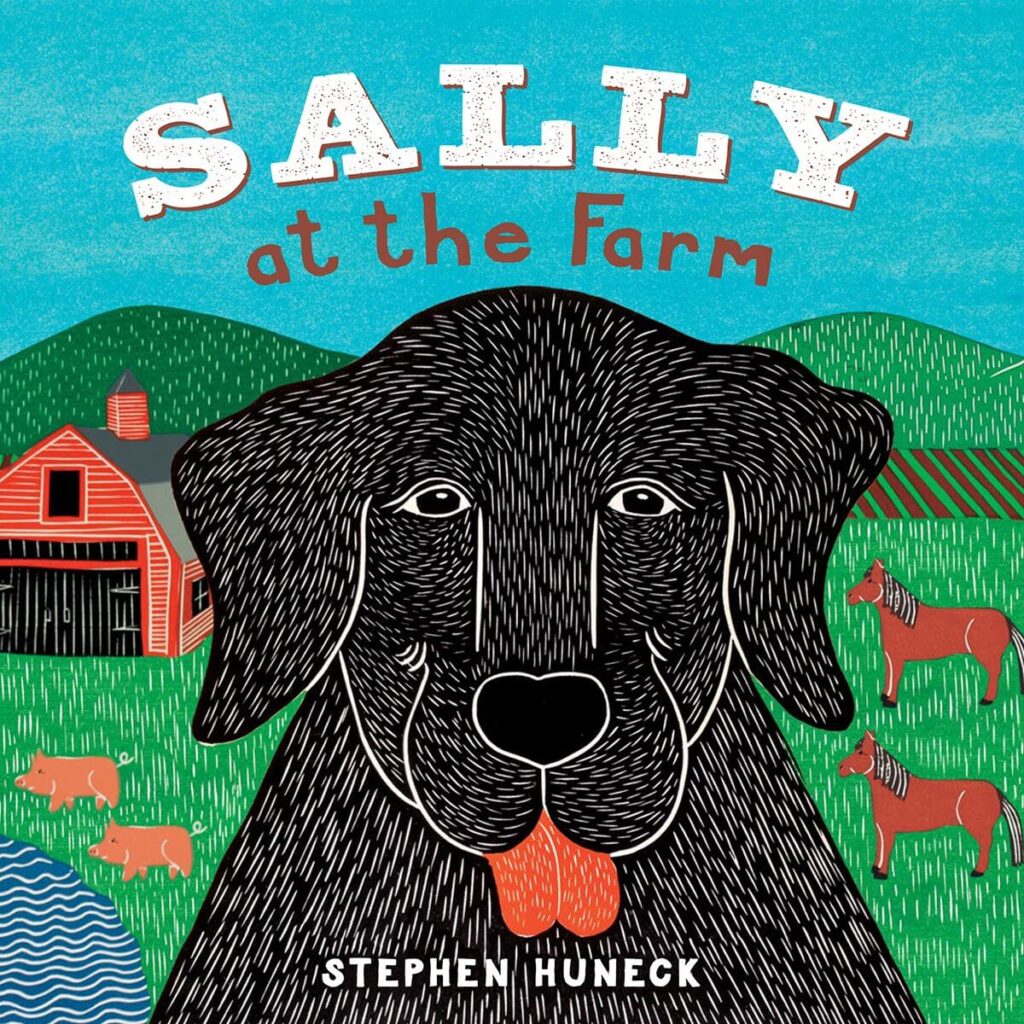
Sally at the Farm: Age range: 0–2 | 🏷️ Named characters: Yes (Sally)
Why it fits: A simple, board-book format with a named character exploring everyday scenes — exactly the kind of individually labeled character the research highlights.
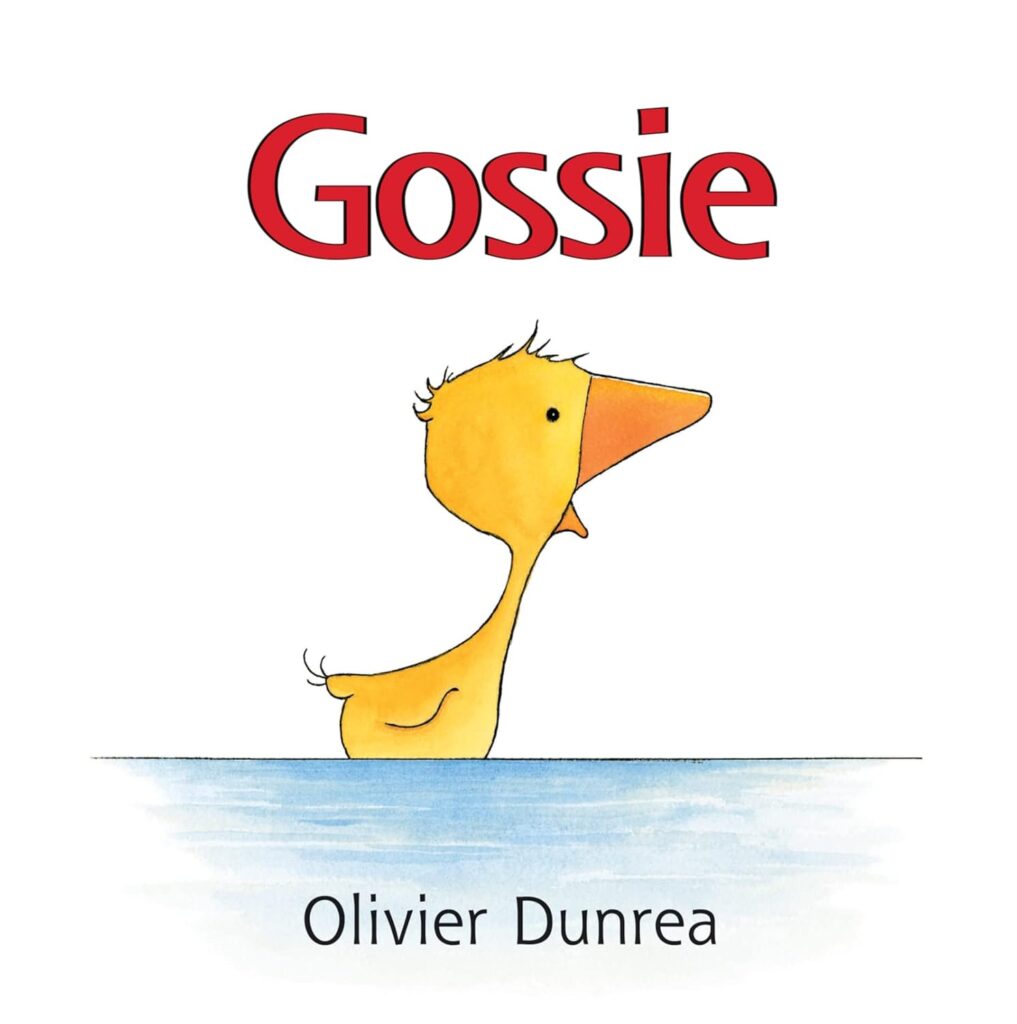
Gossie: Age range: 0–2 | 🏷️ Named characters: Yes (Gossie the gosling)
Why it fits: Simple, repetitive text built around a single named protagonist. The predictable structure and named character make it ideal for infant brain development per the research.
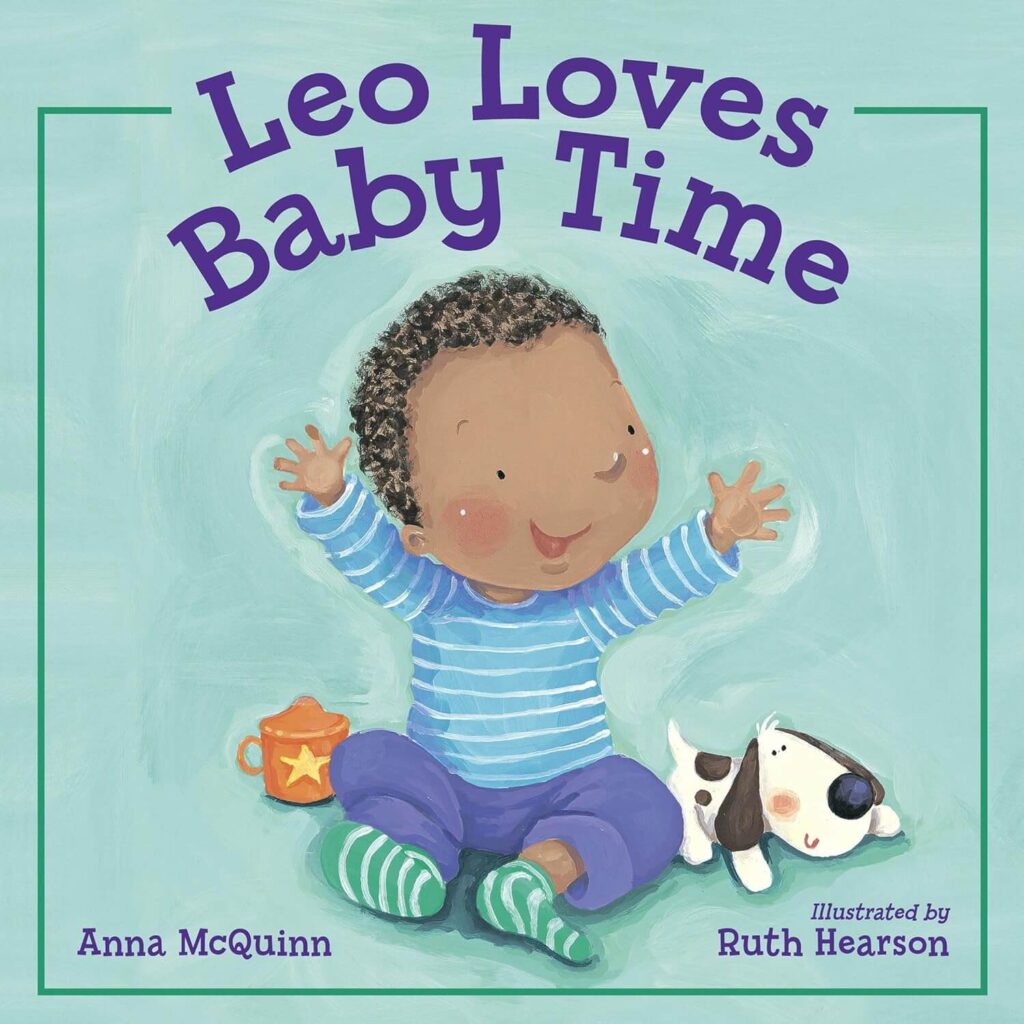
Leo Loves Baby Time: Age range: 0–18 months | 🏷️ Named characters: Yes (Leo)
Why it fits: Leo is a named baby character doing recognizable baby activities, making this highly relatable for infants.
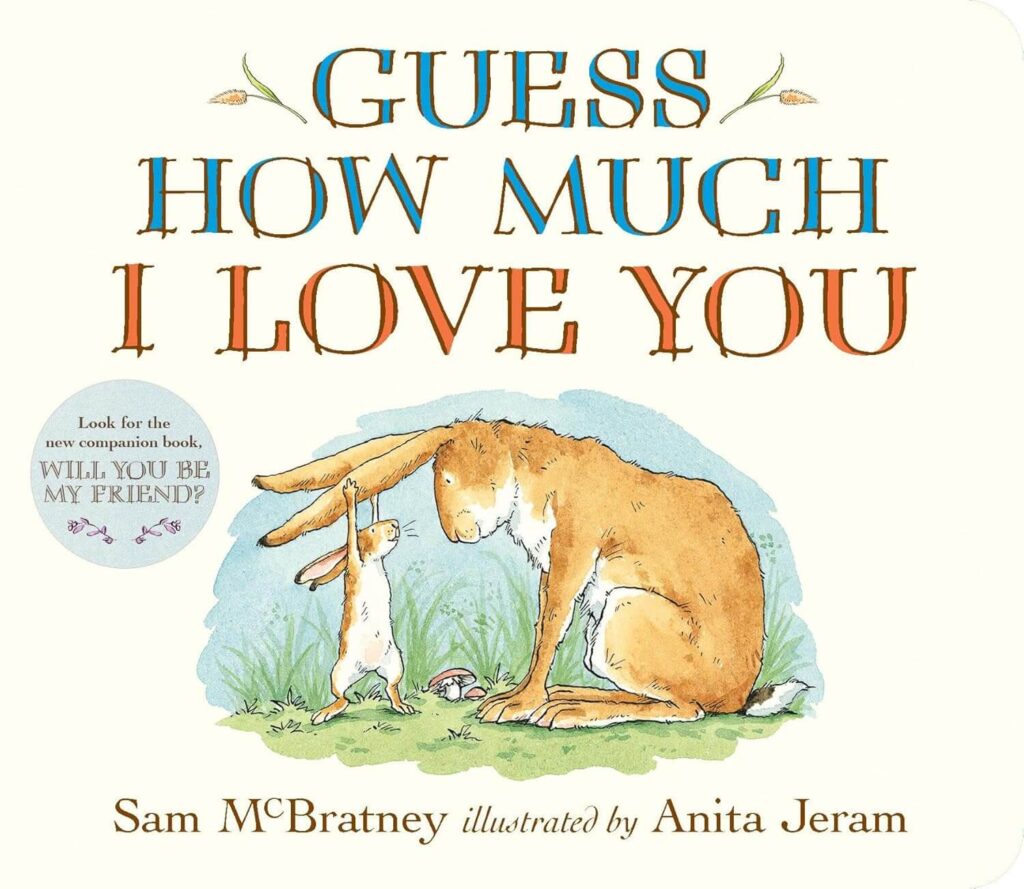
Guess How Much I Love You: Age range: 0–3 | 🏷️ Named characters: Yes (Little Nutbrown Hare & Big Nutbrown Hare)
Why it fits: Both characters have distinct names and a loving, reciprocal dynamic — which also models the parent-child relationship.
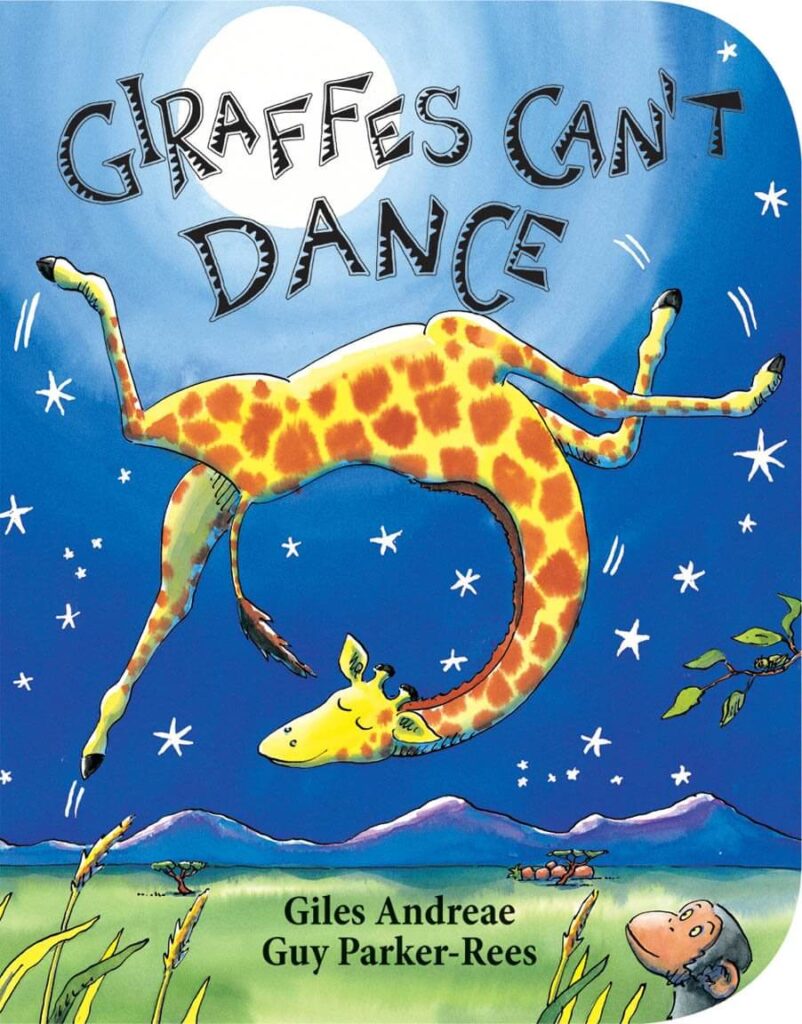
Giraffes Can’t Dance: Age range: 1–3 | 🏷️ Named characters: Yes (Gerald the giraffe)
Why it fits: Gerald is named and has a distinct personality. The rhythmic text also supports early language development.
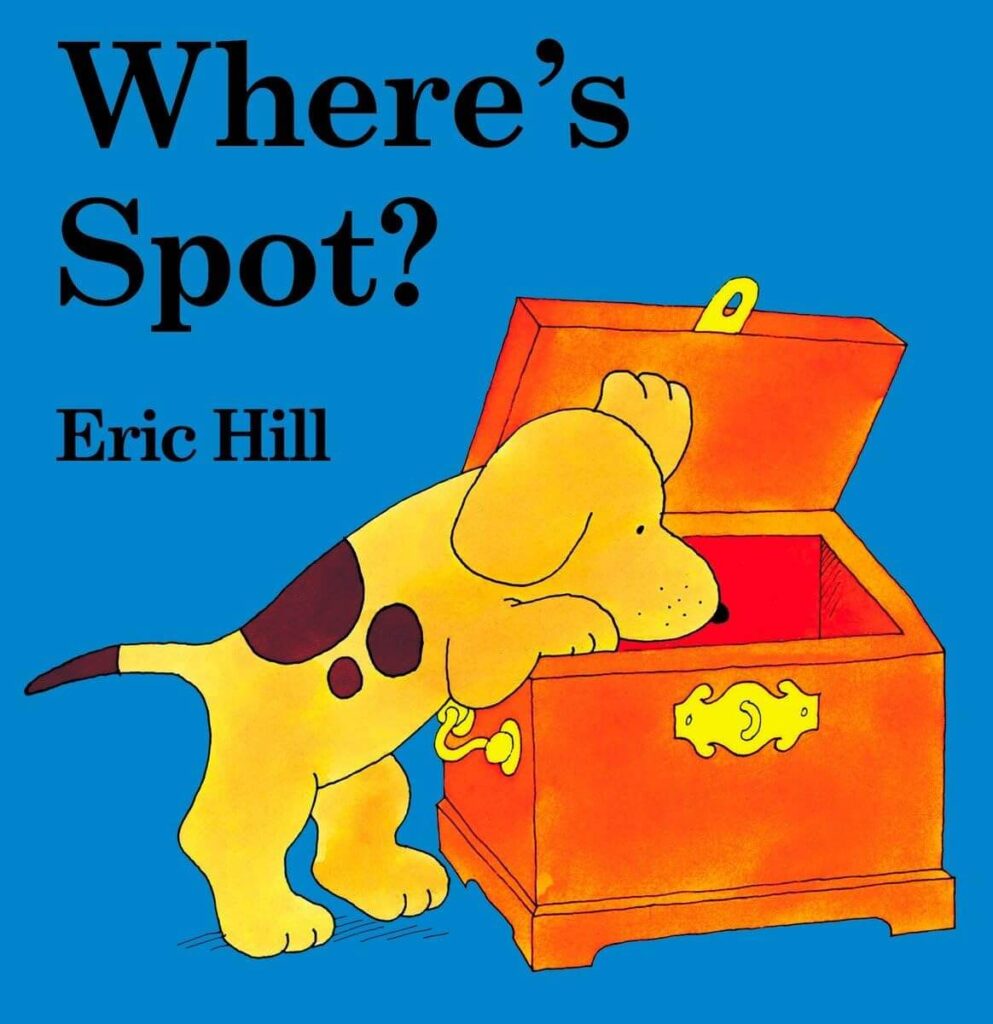
Where’s Spot: Age range: 6–18 months | 🏷️ Named characters: Yes (Spot the dog)
Why it fits: The lift-the-flap format naturally invites back-and-forth interaction between parent and baby. Spot is named throughout.
Need more book ideas?
Really good children’s books can not only enhance your child’s life but yours too. Reading books to your kids that are actually enjoyable (and not just tolerable) can be a wonderful form of self-care when your kids are little and require so much of you. Check out My Favorite Classic Children’s Books That Adults Will Also Love.
Frequently Asked Questions About Reading to Babies
Look for books with individually named characters, simple text, and high contrast images for newborns. Research shows named characters help babies distinguish between individuals and learn more from the story.
From birth. Babies benefit from hearing your voice immediately, and the bonding that comes from shared reading starts on day one.
Yes. Even before comprehension develops, babies are absorbing language patterns, building vocabulary, and strengthening their bond with you through the back-and-forth of shared reading.
Even 5–10 minutes counts. Consistency matters more than duration — a short daily reading habit beats an occasional long session.
That’s very typical for babies, especially once they can sit up and hold things. Let them touch, chew, and explore the book. Engagement doesn’t have to look attentive to be beneficial.
Yes — and research actually supports this! Giving unnamed characters individual names gives your baby the same brain-boosting benefit as books written that way.
Leave a Reply