

Sneak peek: Teen driving safety tips from a parent who’s been there. Tips for coaching better habits, spot risky driving, and monitor without hovering
This post is sponsored by HeyPolo. All opinions, stories, and experiences shared are my own.
My 17-year-old son has been driving for a few years now (if you count the permit stage), but I still remember that first time he drove off alone. It was nerve-wracking.
That feeling didn’t go away after the first week, either. Or the second. For longer than I’d like to admit, I found myself checking his location on my phone, even if he was only 10 minutes late to his destination. I could see the little dot moving along the highway, and I told myself that was enough. But it wasn’t, really. A dot tells you where someone is. It doesn’t tell you if they’re doing 15 over on the on-ramp or slamming the brakes at every yellow light. I wasn’t actually getting peace of mind.
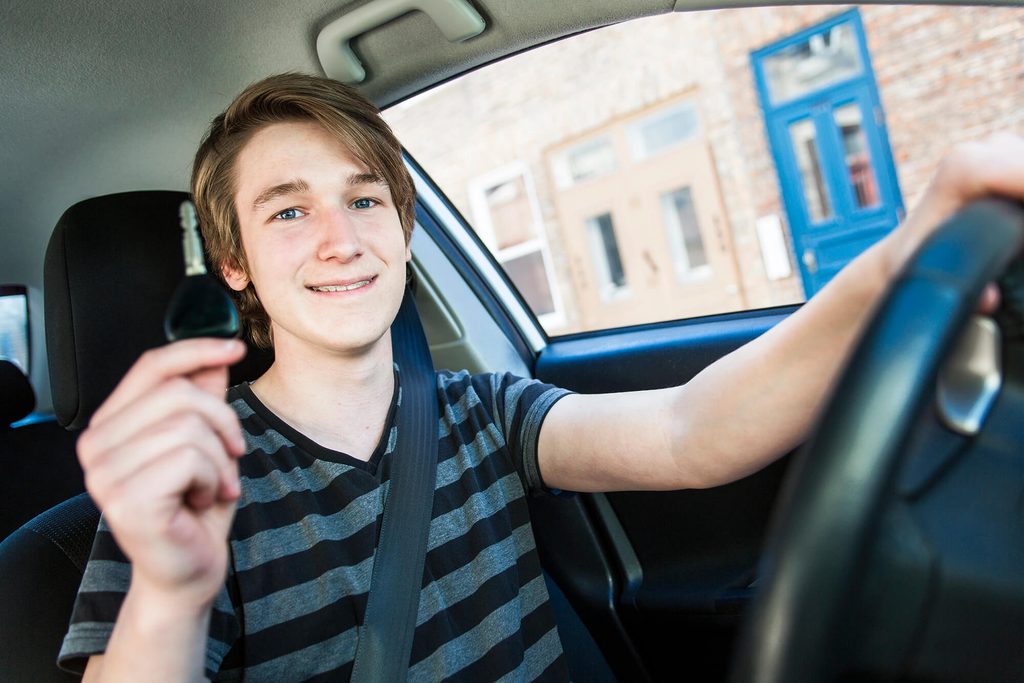
If you’re a parent of a new driver, this probably sounds familiar. That mix of pride and dread when they grab the keys is undeniable. It’s one of the most universal, least-talked-about stages of parenting. The anxiety is real, and it’s not a sign you’re doing anything wrong. This is why I started digging into real teen driving safety tips instead of just white knuckling it every time he left the driveway.
The Problem With Location Tracking
Here’s what I eventually realized: constant location-checking isn’t really a safety strategy. It’s a coping mechanism for me, not for him. It didn’t make him a better driver, and it definitely didn’t make our relationship better.
What actually matters for teen driving safety isn’t knowing where your kid is every second. It’s knowing how they’re driving. Are they braking hard? Speeding? Using their phone behind the wheel? Those are the behaviors that actually predict a crash — and they’re invisible on a standard map view. This is when I started looking specifically for safe driving apps for teens that went beyond a blinking dot.
From Surveillance to Coaching
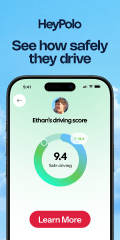
This is where things changed for us, and it’s the whole idea behind HeyPolo. Instead of me just staring at a moving dot and guessing, HeyPolo generates teen driving behavior reports — hard braking, speeding, phone use, acceleration patterns — and turns them into a score my son can actually see and understand.
That reframe matters more than I expected. It’s not “Mom is watching me.” It’s “here’s how I actually drove this week, and here’s where I can improve.” Growth, not constant surveillance. This desire to get better (and a competitive streak) has done more for his driving habits than any lecture from me ever did.
The Safety Net You Hope You Never Need
Even with better habits, accidents happen — that’s just the truth of putting a new driver on the road. We had a wreck as a family (with my son driving) at a light next to our neighborhood. It wasn’t his fault, but it still happened.
HeyPolo’s crash detection and SOS alerts cover that scenario: if something happens, I’m not left guessing why he suddenly stopped answering texts. The app can flag it and get help moving. That’s the kind of thing you hope you never use, but you sleep better just knowing it’s there.
The part I appreciate most, though, is that HeyPolo lets us build trust instead of eroding it. I don’t need to see his location ping every few minutes during the day. But on a late-night drive home, or a long trip out of town, I can turn on that visibility when it matters.
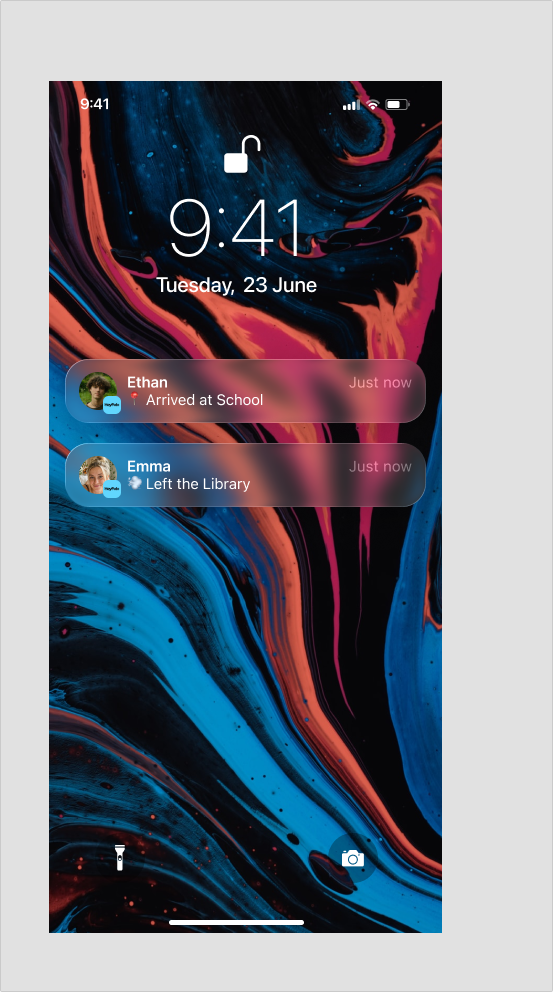
And because the driving data stays private within our own family circle: encrypted, not shared out to insurance companies or anyone else. So, it never felt like I was handing his information over to some third party just to keep him safe.
One Tool to Help Ease Parents’ Anxiety
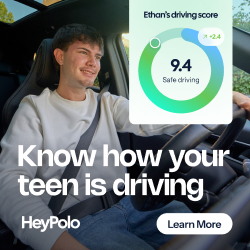
The best part is that I didn’t need five different tools stitched together. Location, driving scores, and emergency response all live in one place. I’m not toggling between a tracking app and a separate safety app. Hey Polo is the best app for new drivers that I’ve come across.
If you’re standing in your own driveway right now, watching your kid pull away for the first time — I get it. That feeling doesn’t fully go away. But it does get easier when you know you’re helping them build skills and not just monitoring them. You’re actually building a system that helps them become a genuinely better driver, while giving you a way to reach them when it matters most.
Leave a Reply