
Sneak peek: Explore the Japanese parenting style and how it builds independence, confidence, and responsibility—plus tips you can use today.
If you’ve seen Netflix’s series called Old Enough, you’ve witnessed the results of the Japanese parenting style that encourages independence in children from a young age. This is a sharp contrast to what we see in the U.S., where hovering and overparenting have become the norm in many communities.
It’s natural to want to protect our children. What we see from research, however, is that allowing children age-appropriate autonomy not only builds real-life skills, but also supports their mental health, confidence, and overall well-being.
What exactly is the Japanese parenting style—and what can we learn from it?
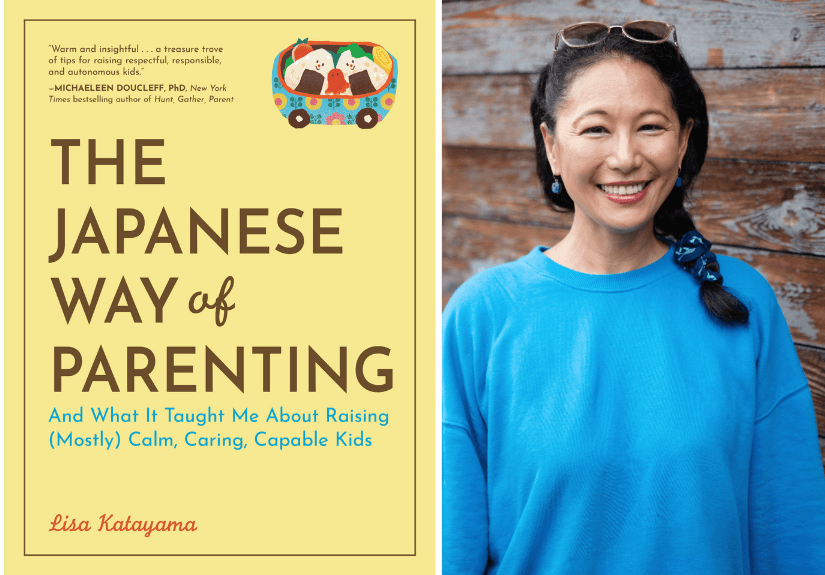
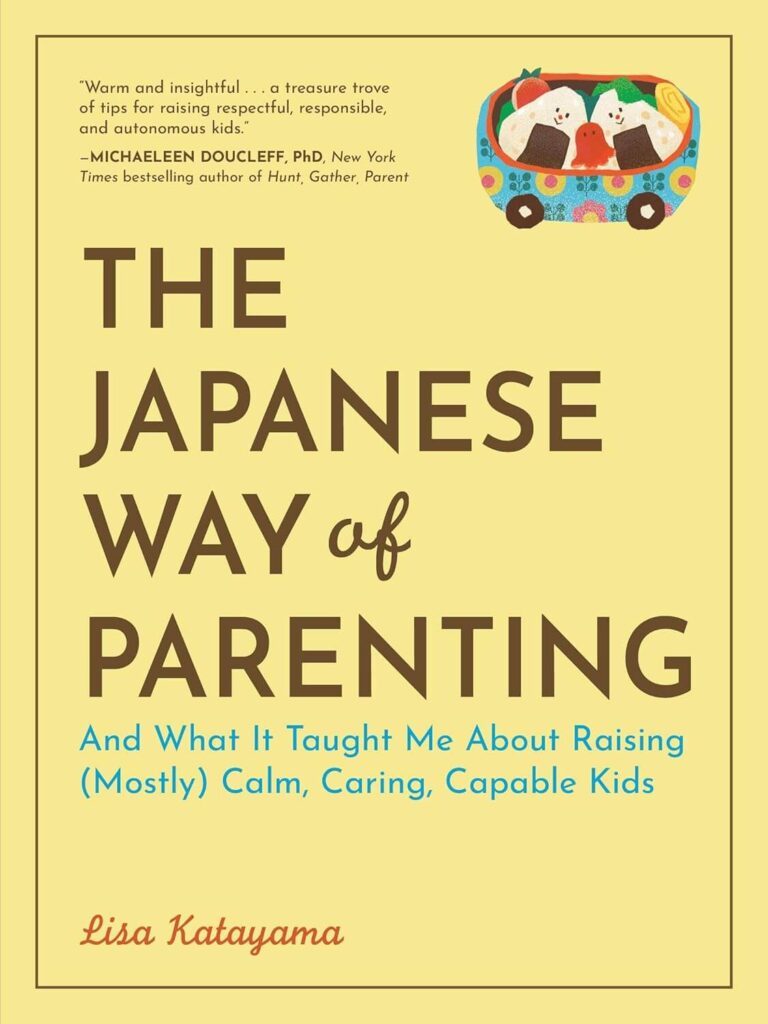
To explore this, I spoke with Lisa Katayama, author of The Japanese Way of Parenting, about the key differences between Japanese and American approaches—and how families can apply these ideas at home.
What is the Japanese parenting style?
The Japanese parenting style emphasizes early independence, responsibility, and respect for others. Children are encouraged to contribute to their community, complete daily tasks on their own, and develop confidence through real-world experiences.
Differences between Japanese and American approaches to parenting
Q1: Of all the differences between American and Japanese parenting, which do you feel impacts parents’ everyday lives the most?
The difference that shows up most in daily life is the belief that children are supposed to actively contribute to society from a very young age. In Japanese schools, kids clean their own classrooms. They mop floors, scrub blackboards, and serve each other lunch. In most American schools, the implicit message is the opposite: make a mess and someone else will deal with it.
When children understand from an early age that they have a role to play in maintaining peace, calm, and cleanliness in the world around them, this has a ripple effect both in and outside the home. It creates culture. In Japanese culture, where kids are agreeing to a pretty strong set of “should’s” from a young age, there’s less negotiating, less invisible labor falling entirely on parents, and more of a sense of responsibility at all ages. It also builds kids who believe they are capable of a lot of things.
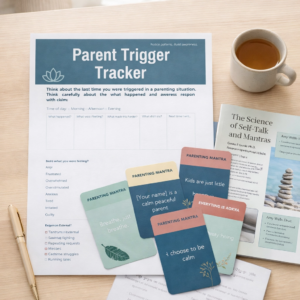
Download your Parenting Mantra Kit
Q2: How do you think the Japanese way of parenting benefits children? How does it benefit or serve society?
American independence and Japanese independence mean two very different things, especially for kids. In America, independence is about individual will — speaking up, doing things your own way. In Japan, it means being a willing, participatory member of society: navigating public transportation alone by age six, buying what you need, pulling your own weight so the whole system runs smoothly.
There’s a Japanese concept called omotenashi, which means radically caring for everyone and everything around you. Research shows that acts of kindness activate happiness centers in the brain. Japanese soccer fans surprised the world when they cleaned up the stadium after other countries’ fans made a mess. Even the players on the soccer team cleaned up their locker room, leaving it cleaner than when they first arrived. But in Japan, this is just common sense—you wouldn’t leave a space you were in messy, even if the mess isn’t yours.
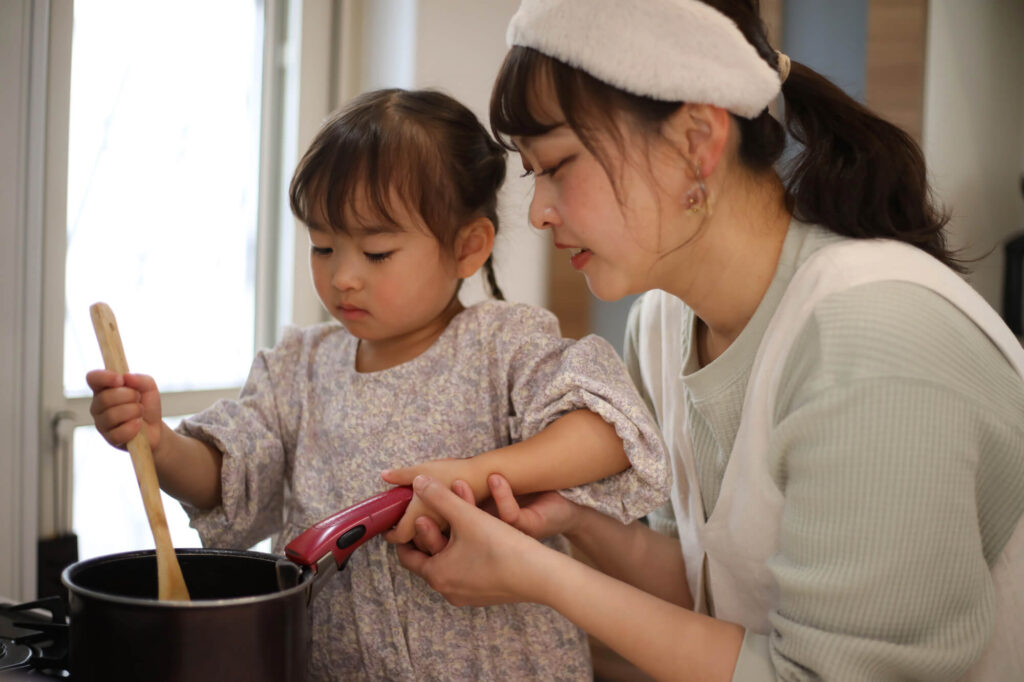
Benefits of the Japanese Parenting Style
Q3: In our American culture that values individual achievement and freedoms, what can we learn from Japanese culture and their way of parenting?
I love American parenting because it is truly a choose-your-own-adventure type of situation. In Japan, which is very much a ‘should’-based culture, there is very often a right way to do things. When a woman informs the government of her pregnancy, she receives a handbook that outlines the steps of pregnancy and provides guidance on how to raise calm, caring, and capable kids. This might seem too prescriptive, but sometimes it’s nice to have guidelines, especially for chaotic adventures like parenting. Some of the simple rituals of Japanese culture like being overtly polite to strangers, cleaning up spaces you inhabited, and
Q4: What do you see, if any, downsides to the Japanese way of parenting?
There’s a word called meiwaku, which means causing trouble for other. It’s the cardinal sin of Japanese society—if you’re a good Japanese child, you just don’t do it. The collective commitment to not cause trouble to others is what makes Japan such a lovely place to be, even when you’re just visiting as a tourist. But trying not to cause meiwaku when you have small kids is basically impossible… right? In America, a toddler meltdown usually earns a sympathetic look. In Japan, there’s a much higher expectation to hold things together, to have your kids pre-trained to act maturely in public—even if they’re still in diapers. After a summer in Tokyo with my kids, I was exhausted from having to play the “my kids are perfect” game in public.
Related reading: When to Worry About Toddler Tantrums: Signs to Watch For
Q5: Any final tips for parents trying to foster independence and autonomy in their children?
Resist the urge to do things for your kids that they’re capable of doing themselves. It’s faster and less messy to just handle it — but every time a child figures something out on their own, it builds confidence. Build rituals into your home life that reinforce a kid’s sense of responsibility in the household: shoes off at the door, bussing plates, cleaning up their own toys at the end of a play session.
—
Q6: Anything else you’d like to share about Japanese parenting — in America?
Read the book to find out more!
Leave a Reply