

Sneak peek: We often hear about coping strategies for kids to help with emotional regulation, but they’re often all the same. Let’s look a little deeper into the psychology of coping.
Coping strategies for kids are essential tools for emotional regulation, helping children navigate difficulties and challenges. According to Amy Webb, Ph.D., these strategies go beyond simple techniques like deep breathing and are broadly categorized in psychology into problem-focused and emotion-focused approaches. Problem-focused coping involves tangible actions to overcome a challenge, such as fixing a broken toy or addressing an unjust law. Emotion-focused coping, conversely, helps manage the feelings associated with a problem when direct action isn't possible, equipping children with a robust emotional toolbox for adult life.
Your teenager just failed their driver’s test—how do you respond to help them? Your toddler is SO frustrated that their block tower fell over, they fling the pieces across the room. What’s your response?
If you’ve been a parent for long, you know that a big part of this role is the emotional labor that we exert to help our children deal with difficulties or challenges like these. Learning the best coping strategies for kids becomes a big part of our job.
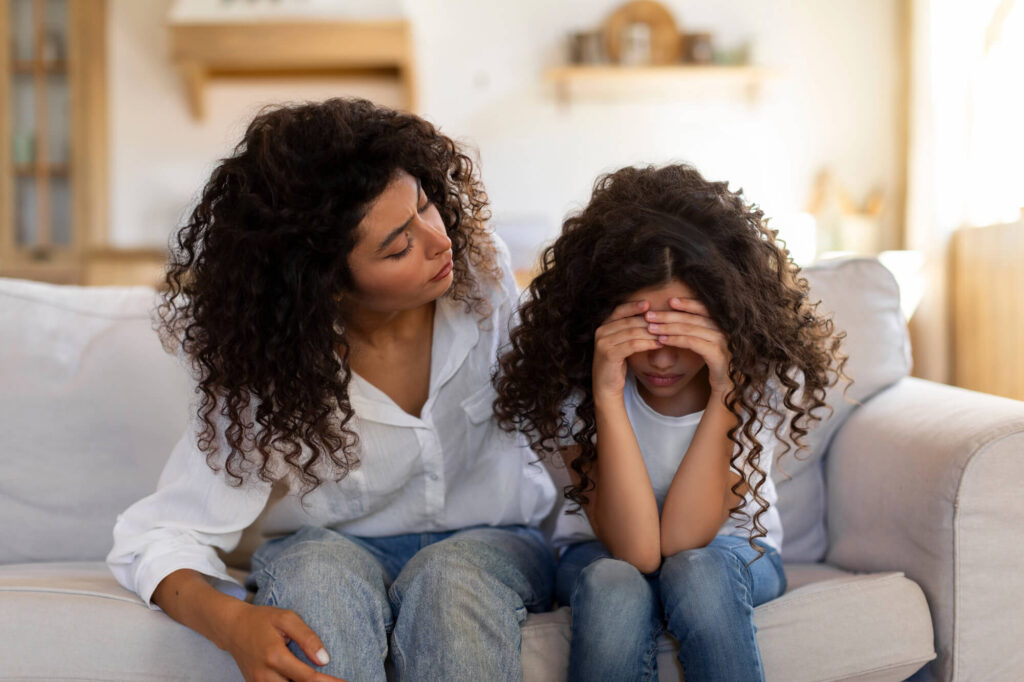
When our children are babies, this is often fairly straightforward (although if you’ve had a colicky baby, maybe not). They cry. The only way they can communicate is through crying, but it often indicates a pretty solvable need. We feed them when they’re hungry, change their diaper when they’re uncomfortable, etc.
As our children get older, the experiences they go through and the challenges they face get more complex. We realize that we can’t fix everything by just meeting their need in a very straightforward way. Like the upset teen driver or the frustrated toddler, we can’t simply “fix” their emotions.
In situations like these, there’s almost no way for us to save them from the discomfort and anguish that come with these experiences. So what do we do? Try to bubble wrap our children so they don’t experience pain? Unfortunately, even that’s impossible since much of the pain is emotional.
As I was thinking about this, I started digging back into all the research I did for my dissertation, which was all about how mothers coped with going through a divorce.
I was reminded of the fascinating work that researchers have done studying different coping strategies. In psychology, they’re usually grouped into two main categories: problem-focused coping, and emotion-focused coping.
These coping strategies are helpful to understand as parents, because we can start to model them for our children. Giving our children the tools they need to cope with different types of stress and emotional upset in healthy ways. Instead of trying to shield them from all stress or difficulties, this approach is perhaps the best gift we can give them to prepare them for adult life.
Think about this as filling your child’s emotional toolbox with the skills they need to cope with stress effectively in healthy ways.
Problem-focused coping strategies for kids (action-oriented)
When facing a challenging situation, problem-focused strategies are the tangible things that you can do to overcome a problem. For example, if you feel like there’s an unjust law in your community, you can write your representatives or go to City Hall to protest the regulation. Or if your car breaks down, you can take it to a mechanic and have it fixed. These are very tangible things you can do to deal with a stressful or difficult situation.
For children: These types of coping strategies can be taught by helping them think through different ways to solve a problem. For example, if your child’s toy isn’t working correctly, model for them how you think through different ways to solve the problem—is something stuck, is a piece missing, etc.
If your child is having a difficult time in school with a particular subject, you can help them work through problem-focused strategies that might help them, like getting extra help from the teacher, getting a tutor, etc.
Emotion-focused coping strategies for kids
Discussing emotion-focused coping is where it gets really interesting in terms of parenting. These are probably the coping strategies you hear the most about in parenting articles. These often come to mind when you think of the big emotions children often experience. For example, maybe your child is upset about a fight they had with a friend. Emotion-focused coping in this situation might be the regulation strategies they use in the moment to calm down if they’re crying. These coping strategies for emotional overwhelm are things like deep breathing or distraction to take their mind off of it and physiologically calm down. These can be very helpful, but they’re not the only way of coping that focuses on changing our emotional response.
There are other emotion-focused coping strategies that we can help our children learn.
Meaning-focused coping
This is one of those hidden strategies that people don’t often discuss. We all, as humans, search for meaning in different ways, and especially in times of suffering or difficulty.
If we can help children think through and provide some meaning for the situation they’re in, this can often be a very effective coping strategy. Sometimes people may think of this as sort of a false way of coping, but it’s really not. For example, if someone loses a loved one to a devastating disease, they’ll often find meaning in that situation by establishing a foundation to help raise money for research or to support those who suffer from that disease. These are all ways of finding meaning in stressful situations that provide a lot of comfort and ways for people to move forward.
For children: Meaning-making coping with children often requires your guidance to help them reframe the situation. For example, if your family pet passes away, you might help provide meaning to this situation by encouraging your child to collect pet supplies to donate to an animal shelter. Depending on your personal beliefs, meaning-making coping can also incorporate your religious or spiritual beliefs about what happens to loved ones when they die.

Why do coping strategies matter?
These are all just a few examples of the different types of coping strategies we can model for our children and teens. But why are these so important? Research tells us that we’re currently experiencing a mental health crisis among our youth. The causes are still being debated, but we know that the more emotional tools our children have to cope with stress and difficulty, the better off they’ll be as they develop.
Without effective coping strategies, teens (or adults) often turn to dangerous or unhealthy ways of coping—overuse of screens, self-harm, alcohol or drug addiction, or other risky behavior. Starting to model healthy coping strategies can help prepare your child for difficulties they may experience. Even if your child is four or five years old, you can start trying to talk to them about these different ideas they could try, even in simple situations with friends or during playtime. Ultimately, this will help them understand how to regulate their emotions and get through difficult situations.
Related reading:
The Secret to Raising Happy Kids: Don’t Focus on Happiness
Simple, but Effective Calming Strategies Every Family Should Know
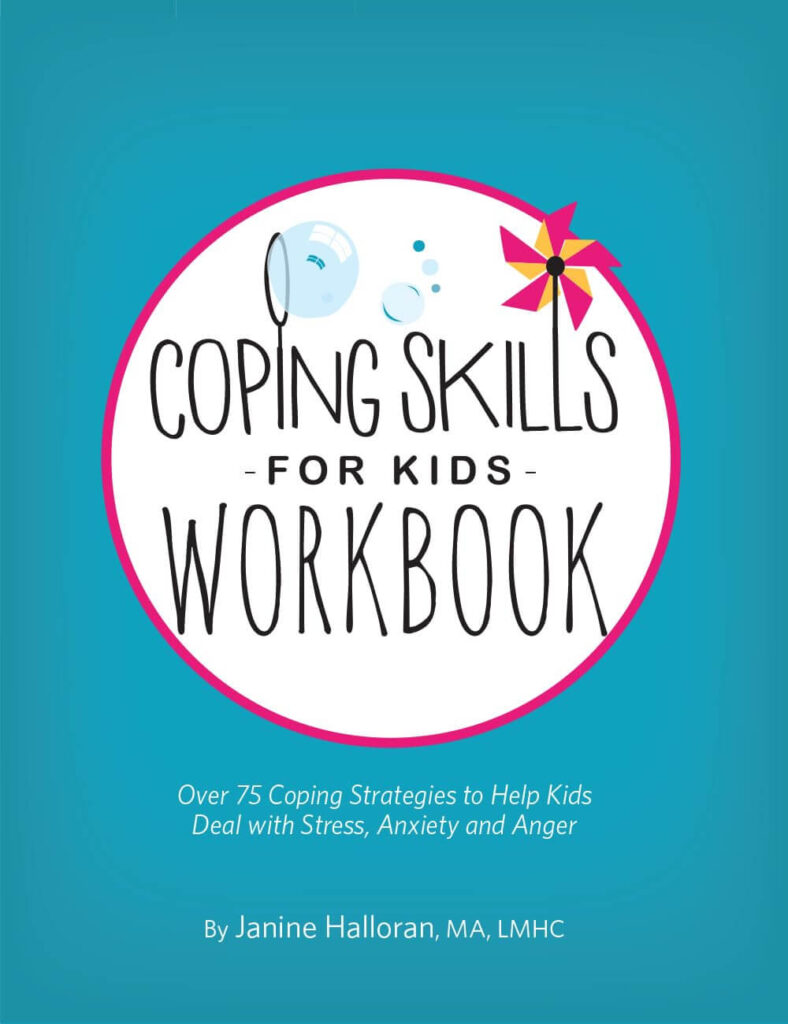
What resources are available for coping strategies for kids?
Leave a Reply