
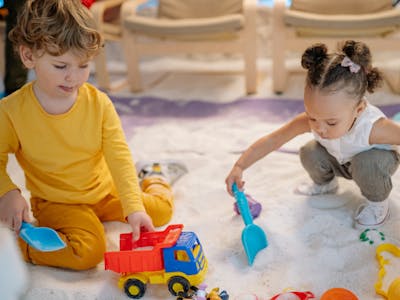
Sneak peek: Social play is a complex skill for children to learn. Here’s my collection of the best toys for social play. These toys foster skills like cooperation, turn-taking, and perspective-taking.
When we think of children playing together, it seems like a natural part of childhood. In reality, social play is a complex skill that takes time for children to develop. Very young children haven’t yet developed the cognitive maturity or had the experience to know how to “play well with others.”
As parents and caregivers, we must model what appropriate social play looks like—including how to handle conflicts (which are inevitable). One fun and powerful way to encourage these skills is through play itself. The right toys can create a setting where turn-taking, collaboration, communication, and empathy flourish.
Below, you’ll find a research-backed look at how social play develops—and a curated list of my favorite toys that meaningfully support it.
If you’re looking for the best toys for social play, this guide explains:
- How social play develops
- Why it matters for long-term success
- Which toys actually encourage cooperation, communication, and empathy
The Developmental Stages of Social Play
In the 1930s, sociologist Mildred Parten identified six stages of play that describe how children’s social interactions evolve. Her work remains foundational in early childhood education.
- Unoccupied Play (0–3 months) – Seemingly random movements without a clear social focus.
- Solitary Play (birth–2 years) – Playing alone, uninterested in others.
- Onlooker Play (around 2 years) – Watching others play but not joining.
- Parallel Play (2–3 years) – Playing alongside other children without interaction.
- Associative Play (3–4 years) – Beginning to interact, share materials, and talk during play.
- Cooperative Play (4+ years) – Organized play with shared goals, rules, and roles.
Parten’s research showed that cooperative play doesn’t simply “happen”—it emerges as children gain language, emotional regulation, and perspective-taking skills.
Modern research supports this developmental progression, although the stages aren’t always discrete. Babies and young children primarily engage in unoccupied, solitary, or onlooker play. However, older children exhibit these types of play at times too, even after they’ve learned cooperative play.
Studies in early childhood education consistently find that cooperative play improves communication skills, empathy, and problem-solving abilities. Social play is learned and we can support that learning intentionally.
In short: social play supports the skills children need for school—and life.
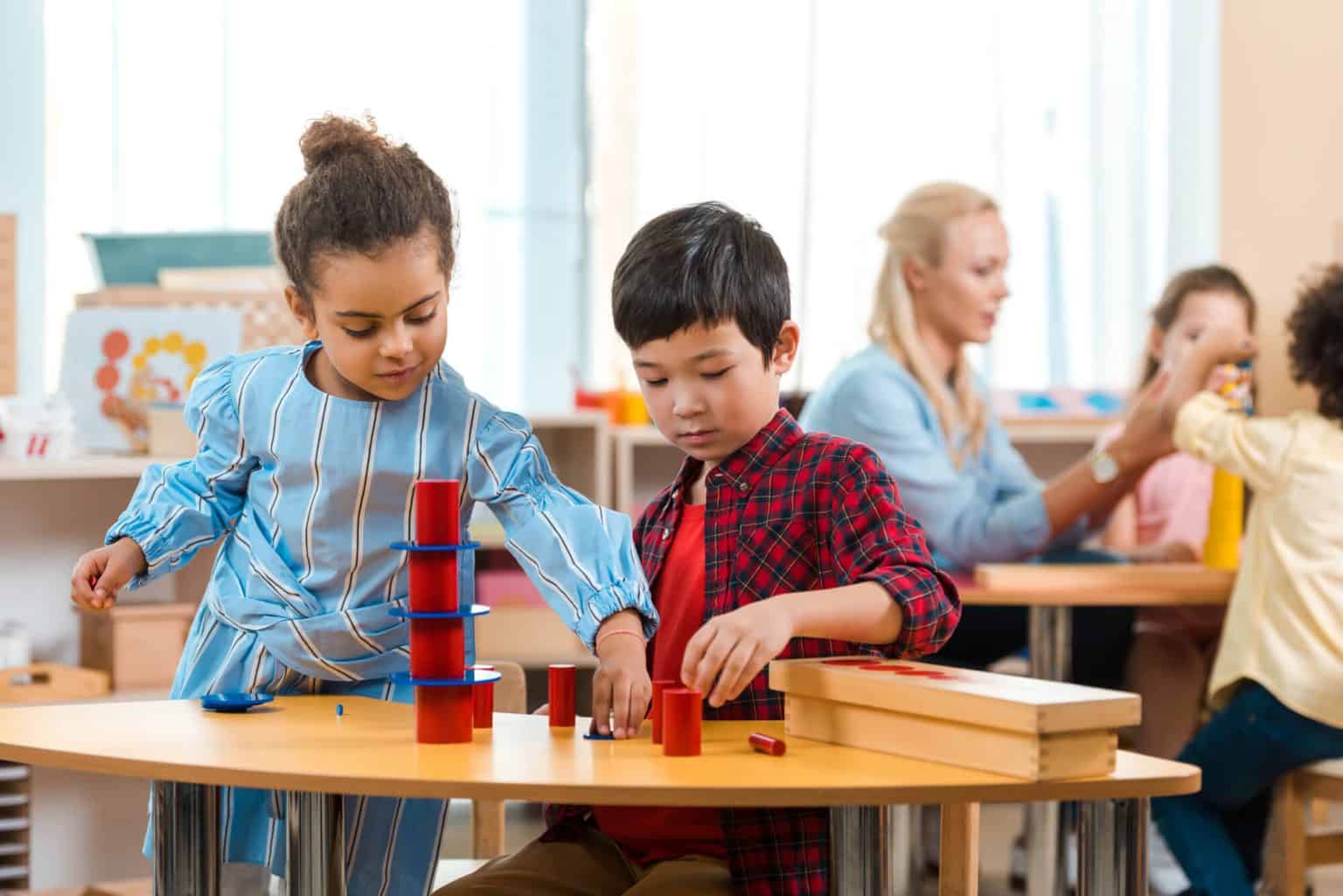
Best Toys for Social Play
Not all toys support social interaction equally. The best toys for social play naturally involve teamwork, communication, role-sharing, or joint problem-solving.
1. Cooperative Board Games
Cooperative games are among the best toys for social play because they shift the focus from competition to teamwork. These are great for young children since learning how to lose also takes practice 🙂
Thoughtful Parent Picks
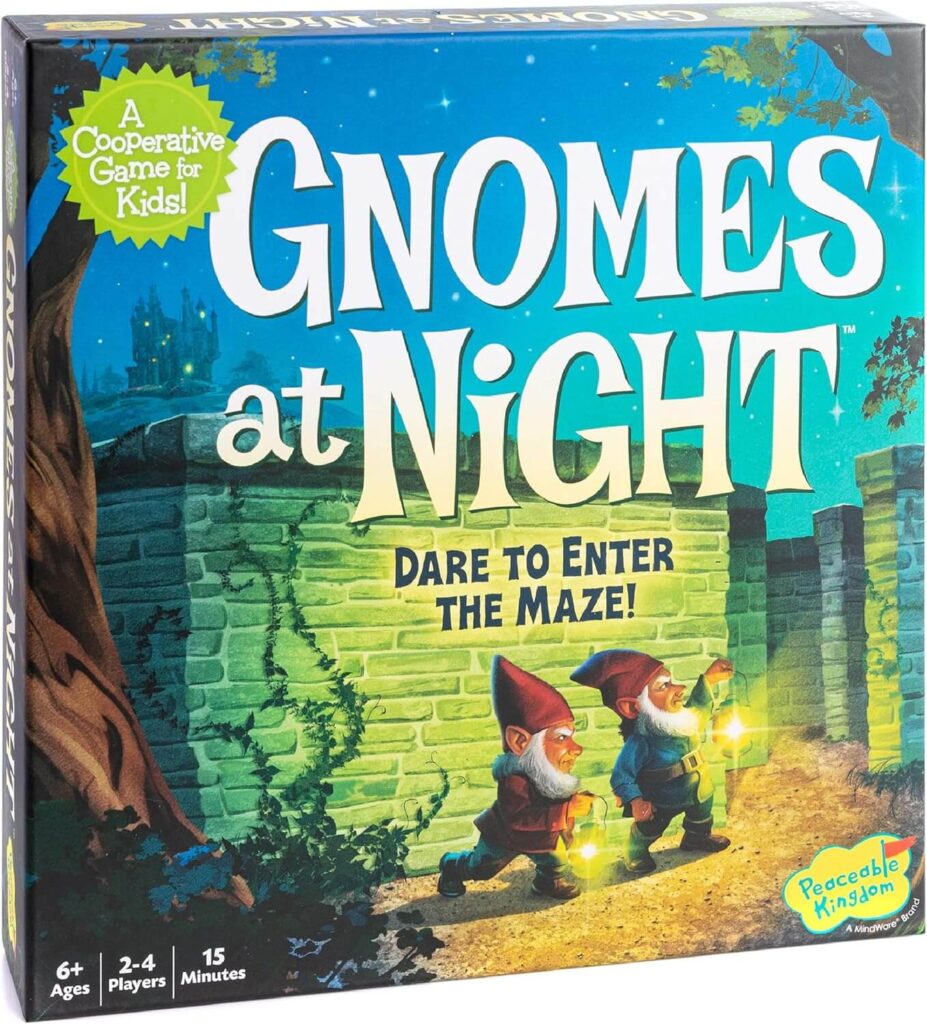
Count Your Chickens
A preschool-friendly counting game where players work together to bring all chicks back to the coop. Great for ages 3+.
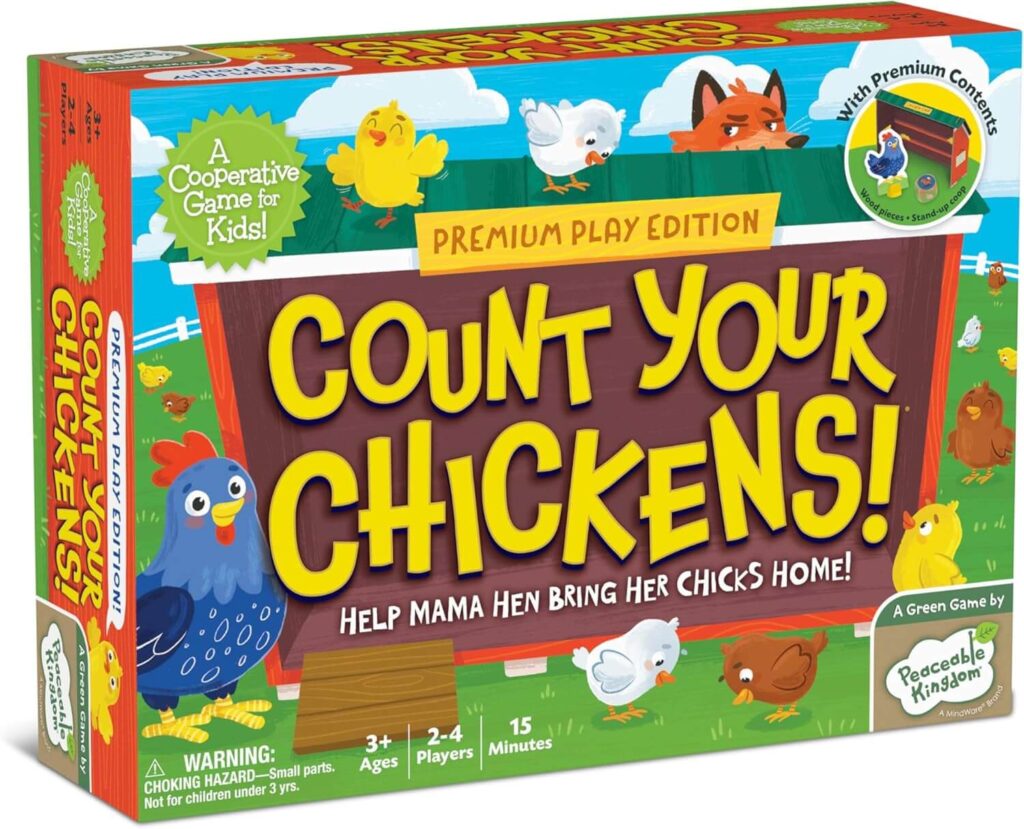
Gnomes at Night
A communication-based maze game where children give one another directions—excellent for perspective-taking.
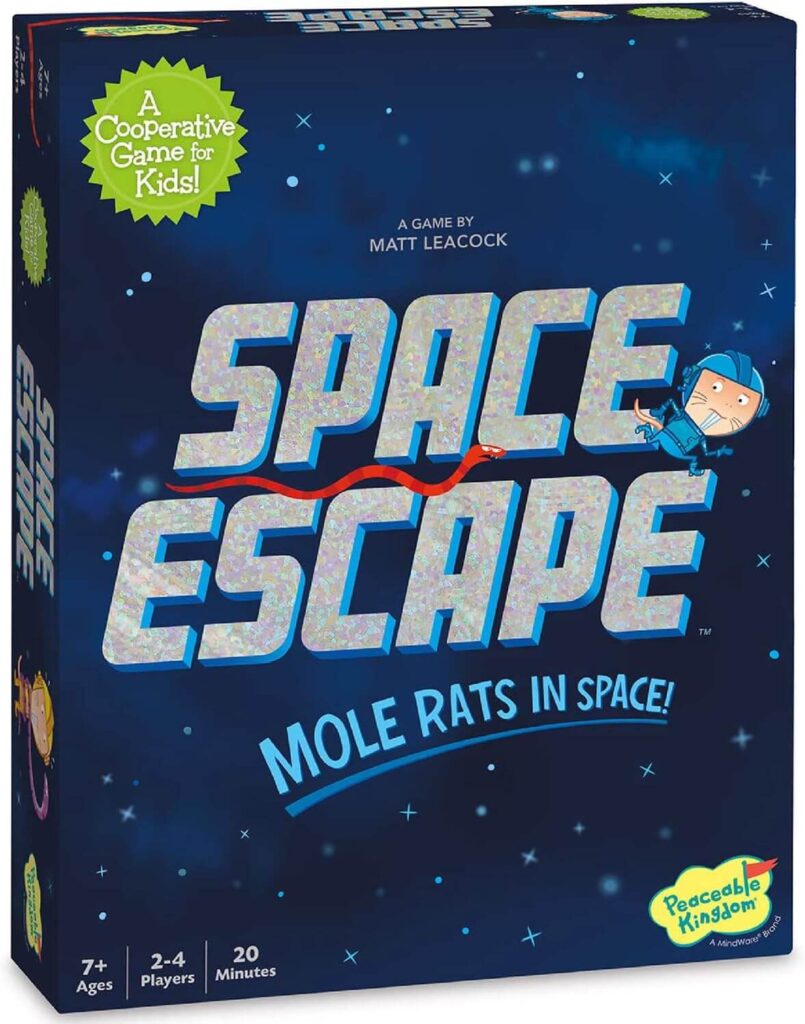
Space Escape
A strategy-based space adventure game where players collaborate to complete missions before time runs out. Ideal for ages 7+.
Why Cooperative Games Work
Cooperative games are great for encouraging prosocial behavior in young children. These games offer children a fun way to practice:
- Turn-taking
- Patience
- Listening skills
- Flexible thinking
- Emotional regulation
2. Building Toys
Building structures together with a peer is one of the most overlooked but powerful tools for developing social skills.
When children build together, they must:
- Negotiate ideas
- Share materials
- Solve structural problems
- Decide roles
That’s real-world collaboration in action.
Thoughtful Parent Picks
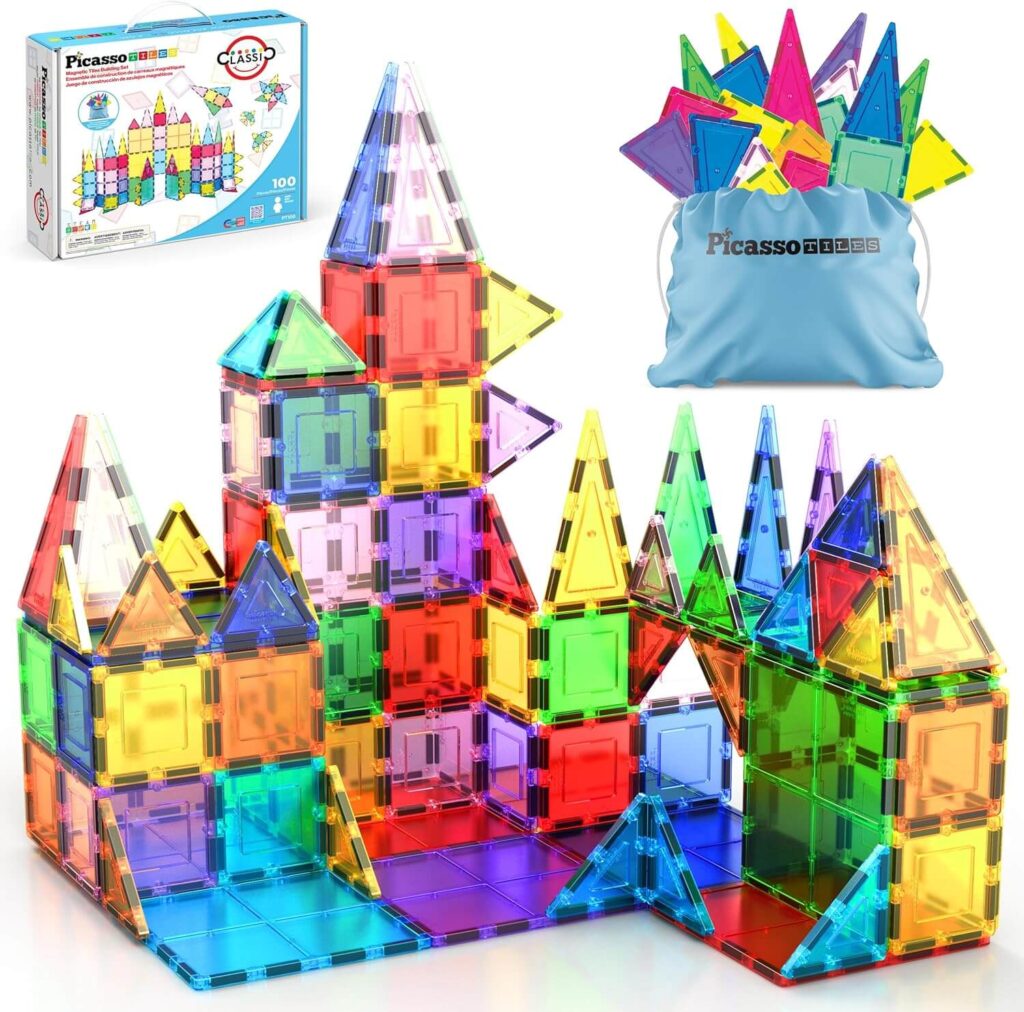
PicassoTiles
Magnetic tiles that encourage joint design and creative problem-solving.
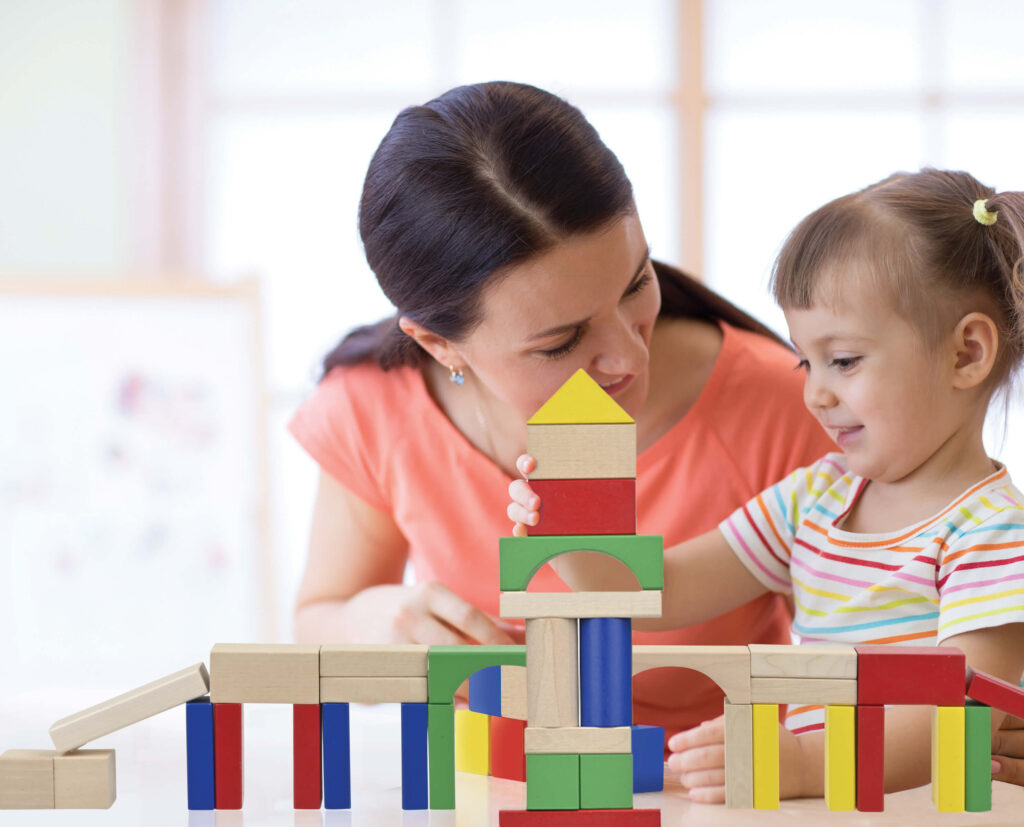
Discovery Toys Wooden Building Blocks
A classic open-ended block set perfect for cooperative building challenges.
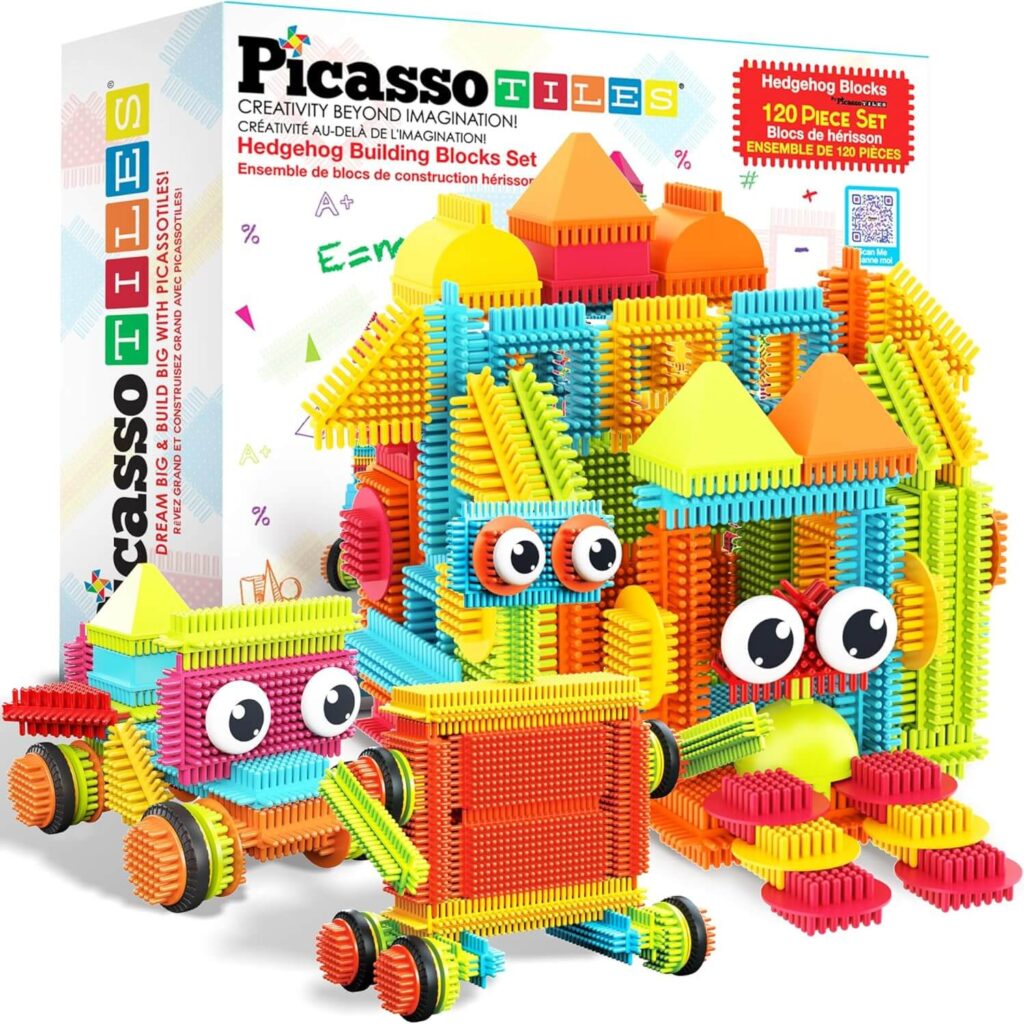
Hedgehog Interlocking Building Blocks
Fine-motor friendly blocks that support collaborative building projects.
Why Building Toys Support Social Development
Studies show that children engaged in joint building tasks use more complex language and demonstrate higher levels of cooperation. Building toys naturally move children from parallel play toward associative and cooperative play—the later stages identified by Mildred Parten.
3. Pretend Play Toys
Pretend play may be the gold standard when it comes to the best toys for social play.
Through role-play, children experiment with:
- Empathy
- Perspective-taking – understanding the thoughts and feelings of another person
- Negotiation
- Emotional expression
Thoughtful Parent Picks
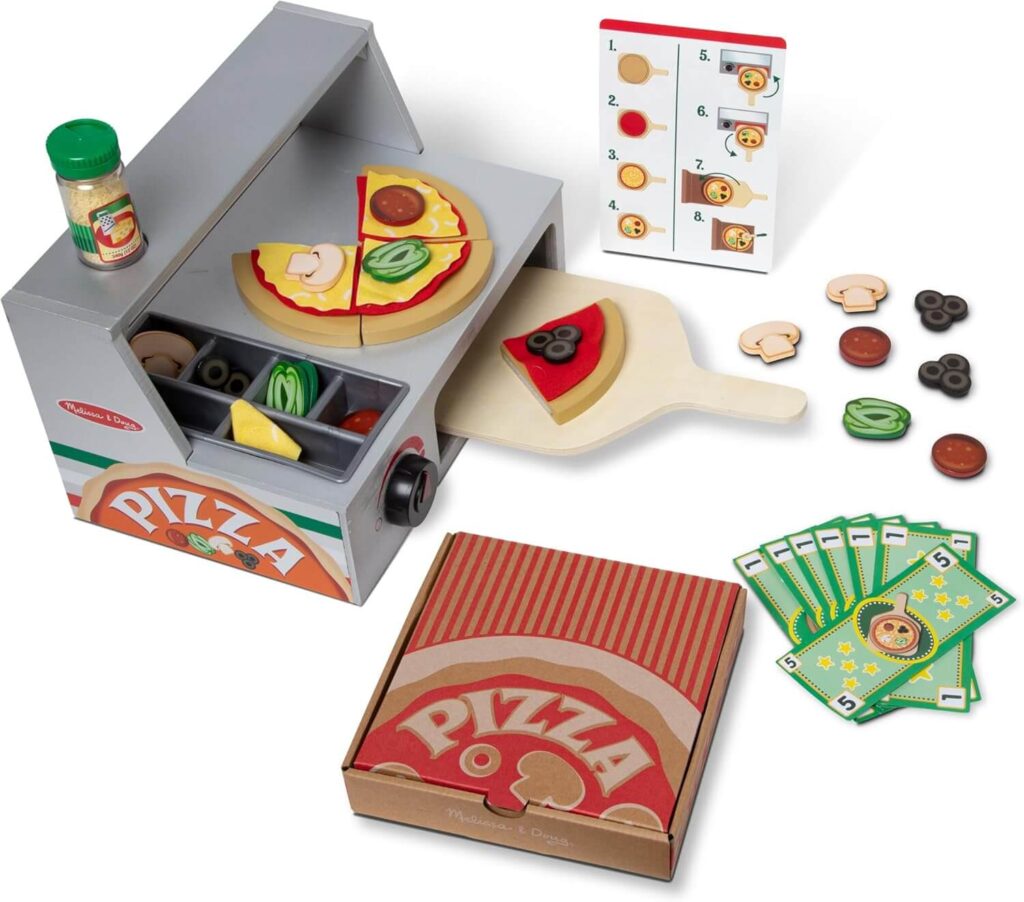
Melissa & Doug Top & Bake Wooden Pizza Counter Play Set
This set encourages back-and-forth conversation and role-switching between chef and customer.
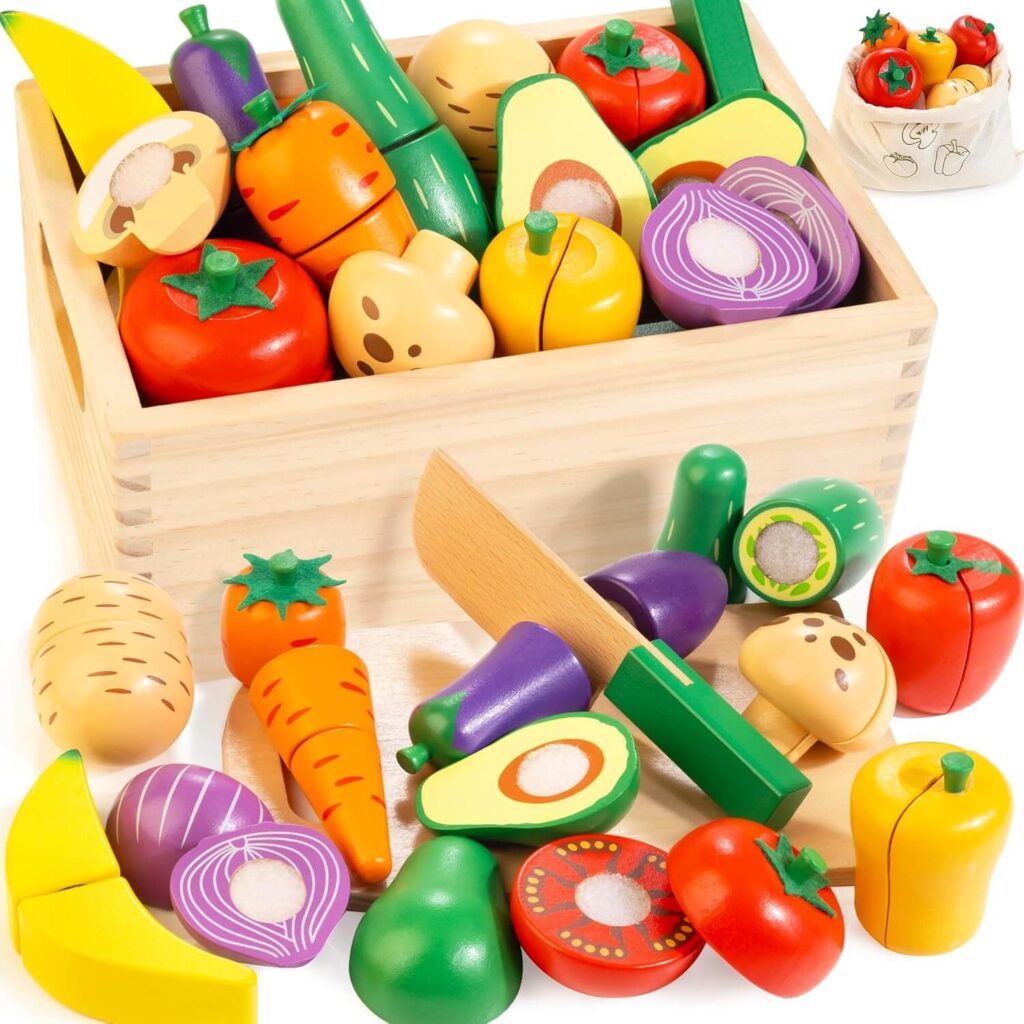
Wooden Play Food Set
These are great for collaborative cooking scenarios and storytelling. My boys had a set like this and used it all the time!
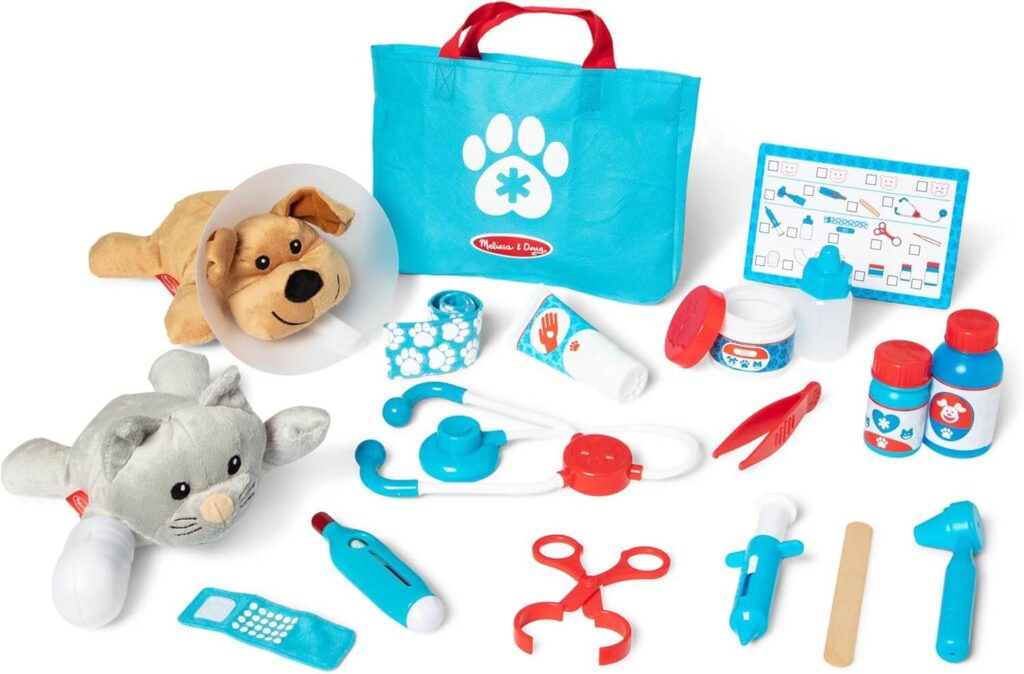
Melissa & Doug Examine and Treat Pet Vet Play Set
This pretend play set supports nurturing and empathy through animal care role-play.
Why Pretend Play Is So Powerful
Pretend play strengthens “theory of mind”—the ability to understand that others have thoughts and feelings different from your own. That’s foundational for friendship, empathy, and conflict resolution.
How to Support Your Child’s Social Play
Even the best toys for social play will help your child more if you play with them.
Here’s how you can help:
- Model phrases like: “Can I have a turn when you’re done?”
- Coach problem-solving: “What could we try next?”
- Stay calm if conflict occurs and model how to resolve it.
Remember: the goal isn’t perfect cooperation—it’s practice.
Related reading:
Quick FAQ: Best Toys for Social Play
Around age 3–4, when children begin transitioning from parallel to associative play. However, don’t expect children to cooperate consistently until at least age 4 or even later.
Pretend play toys help be very helpful for fostering empathy and understand other’s feelings.
No, but cooperative games are especially helpful for building early social skills.
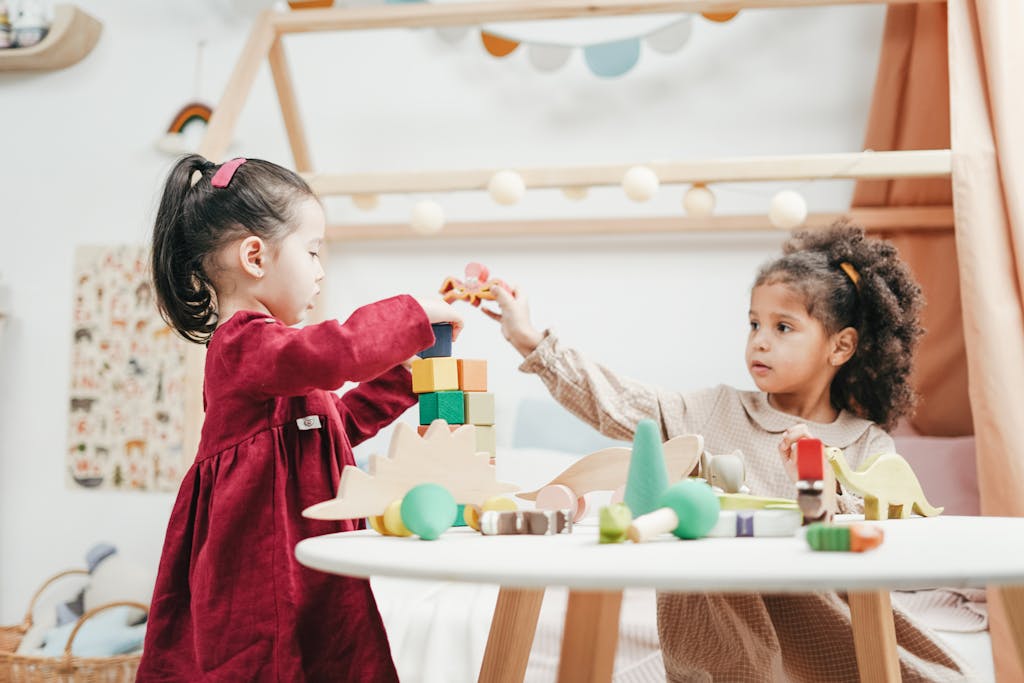
Choosing the Best Toys for Social Play
Social play is a learned skill, that requires practice and guidance from adults for children to learn.
By intentionally choosing the best toys for social play, you can create low-pressure, joyful opportunities for your children to practice:
- Sharing
- Listening
- Negotiating
- Problem-solving
- Working as a team
These types of skills help your child play well with others and establish relationships now and for years to come.
Leave a Reply