
Key Takeaways
Back to school preparation
Emotional prep matters as much as school supplies. Connect with your child’s feelings before diving into the shopping list.
Name the specific worry. Whether it’s making friends or separation, a concrete plan eases anxiety more than general reassurance.
Small choices help. Letting kids pick their backpack, lunchbox, or outfit gives them a sense of control over a mandatory transition.
Start prep a few weeks early. Check shoe/clothing sizes, arrange teacher meet-and-greets, and set up classmate playdates before day one.
August is here, which means back to school is approaching quickly. Some schools, like ours, start back in the middle of the month! The transition back to school is legitimately challenging for both parents and children. While many parents (maybe even me) are a little excited to have some much-needed quiet/work time while the kids are in school, the transition can still be a lot. Back-to-school preparation is about way more than school supplies—it requires us to slow down a bit and connect with our kids on an emotional level.
Take a second to look at it from your child’s perspective: they go from having tons of freedom, going to camp or playing at home during the summer, to the rigid school routine. Of course, as in all things, every child is different. I know some children who really enjoy school and are eager to return. Mine, on the other hand, dread it like the plague. That being said, all children will likely do better with this transition if you support them in both emotional and tangible ways.
Emotional preparation for back to school
Back-to-school season kind of sums up the general parenting dilemma that we face almost every day—finding the balance between firm boundaries and empathetic care for our children. It’s not an easy line to walk, but it can be done. Empathetic but not permissive; firm but not cruel.
Tips for handling common back-to-school challenges
1. My child doesn’t want to go to school at all
Sometimes school resistance is rooted in anxieties and worries about the new school year. I’ll address those issues below, but if you feel your child’s refusal centers on simply disliking school, that’s a different issue.
Allow choices when possible. Given that going to school is mandatory, try to offer choices in other areas that allow your child some initiative in the process. Perhaps allow them to pick out their own backpack, lunchbox, first-day outfit, etc. Even small choices may help the process go more smoothly.
Empathize while still maintaining boundaries. Understanding your child’s feelings is a must. We can hear their feelings, but remind them that school is a must. Sometimes, simply being open to hearing the difficult feelings is just the outlet they need. Remember that firm but kind balance.
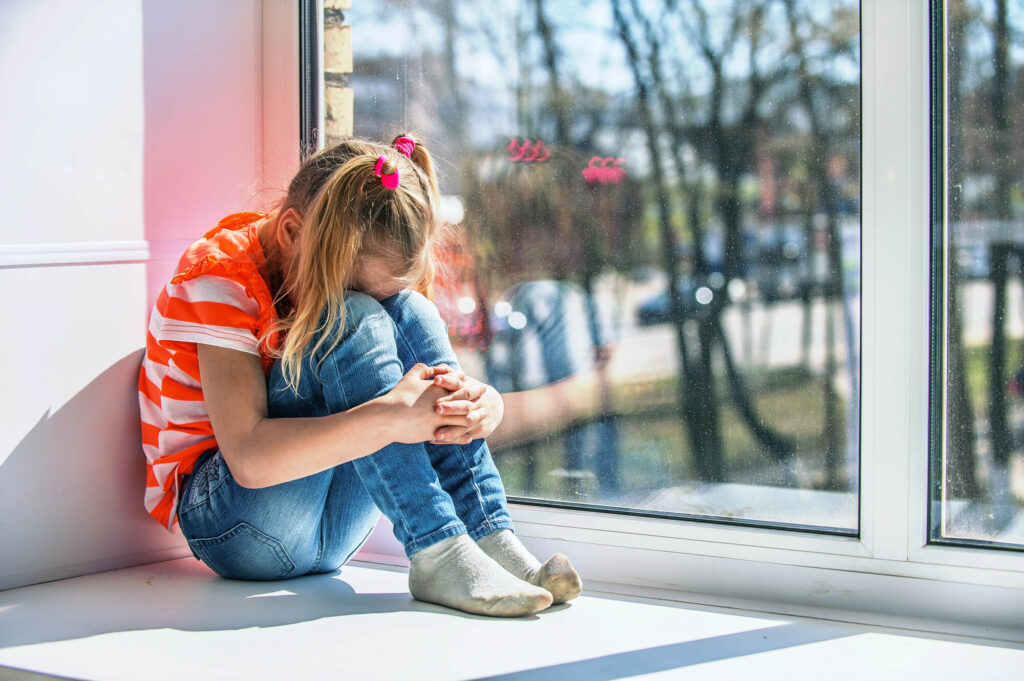
Discuss any worries or concerns. Ask if they have particular worries or uncertainties about aspects of school. Young children in particular may not have the language to describe what they’re feeling, so you may have to probe a little.
2. My child is anxious about going back to school
Worries about going back to school are common, but it doesn’t make them any easier to overcome. Remember that this type of typical childhood stress usually isn’t harmful or a sign of a serious anxiety problem, especially if they have you to support them. Although it’s tricky now, helping your child through these anxious feelings will help them build healthy coping skills for future anxieties.
If the school anxiety or school refusal continues for weeks or months, it might be time to seek out help from a psychologist, school counselor, or pediatrician.
Related reading: The Myth of a Stress-Free Childhood
Discuss their feelings in particular. Part of back-to-school preparation might be discussing with them what specific parts of the school day they are concerned about. Brainstorm ways they can deal with those times more easily. For example, if they’re worried about not having a friend to sit with at lunch, come up with a plan for what they can do if none of their friends are available. Perhaps they bring a book to read or look for another child who does not have a lunch friend to sit with.
Meet the teacher ahead of time. If possible, try to have your child meet their new teacher prior to school starting. Many schools have a night just for this, and it can be a huge help in easing anxiety.
Have a playdate with classmates. Especially if your child is new to the school, try to find out if there are any grade-level playdates before school starts. If not, suggest one yourself. Many schools have parent or class groups on Facebook where you can post about this or find existing playdates.
Related reading: To Parents on the First Day of Kindergarten: What Your Child Really Needs from You
Walk through the day mentally. Sometimes anxiety stems from a fear of the unknown. If you have an idea of the schedule for the school day, talk through it with your child mentally. Remind them what happens first, when lunch occurs, etc. Since young children don’t have a strong sense of time, use times in the schedule to remind them when pickup happens: “Remember, I’ll pick you up right after music class.”
Create a goodbye ritual. If your child struggles with separating from you at school drop-off, consider creating a special goodbye ritual that helps them know you’re still connected to them, even if they’re at school. Remember that sweet ritual in the book The Kissing Hand? A ritual like that may help. Or consider each of you drawing a heart on your wrist to remind your child that you’re thinking of them all day.

Back-to-school supplies and products
In addition to the emotional back-to-school preparation, children need actual supplies too. I’m always shocked at how much they can physically grow and change in just the 2.5 months of summer. A few weeks before the first day is the time to check on shoe sizes (especially if your kids have worn Crocs all summer like mine), clothing, backpacks, etc.
Here are a few of my favorite back-to-school items I’ve used over the years for my boys
Merrell Shoes
I was converted to Merrell shoes for myself a few years ago and I have buying them on repeat ever since. I love them for myself, but they also have wonderful kids styles and fits.
My child development background tells me that barefoot play is ideal for helping little kids learn about balance and how their bodies move. But there are always times when kids need to wear shoes, so these are the next best thing.
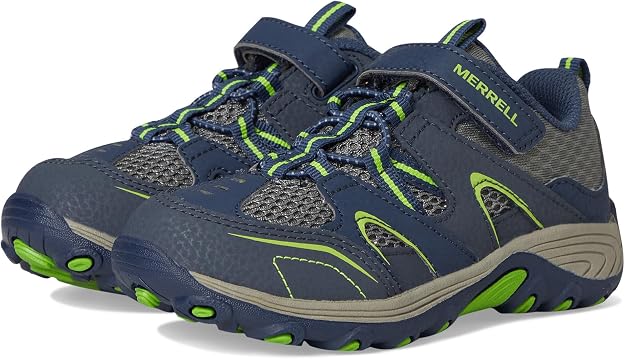
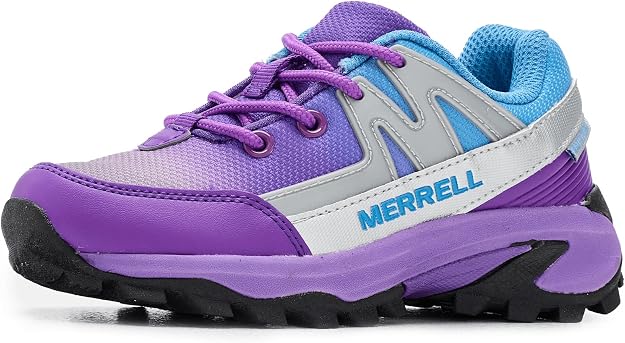
Merrell Unisex-Child Moab Speed 2 FST Waterproof
Best for: Kids who need durable, foot-healthy shoes that support natural movement
- ✅ Hand-crafted for rough play; supports proprioception and balance
- ✅ Sizes range from toddler through adult
- Price: $30-50
Mabel’s Labels
I know it may seem like name labels are not a big deal, but if you’ve ever had to buy the 3rd or 4th water bottle, lunchbox of the school year, you know they are important. Mabel’s Labels are remarkably durable. I bought one pack for each of my boys and it lasted for years because they don’t rub off, wash off, etc.
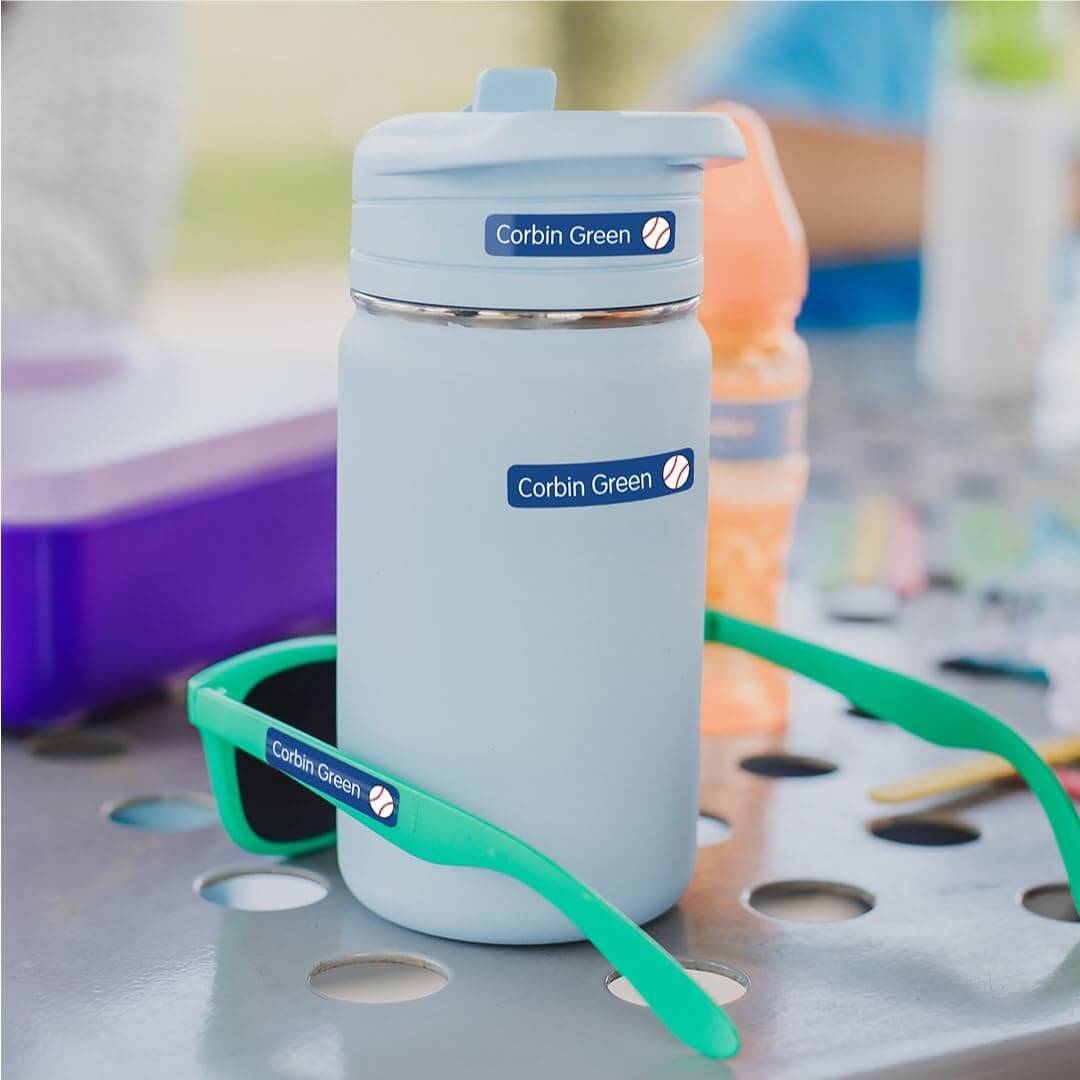
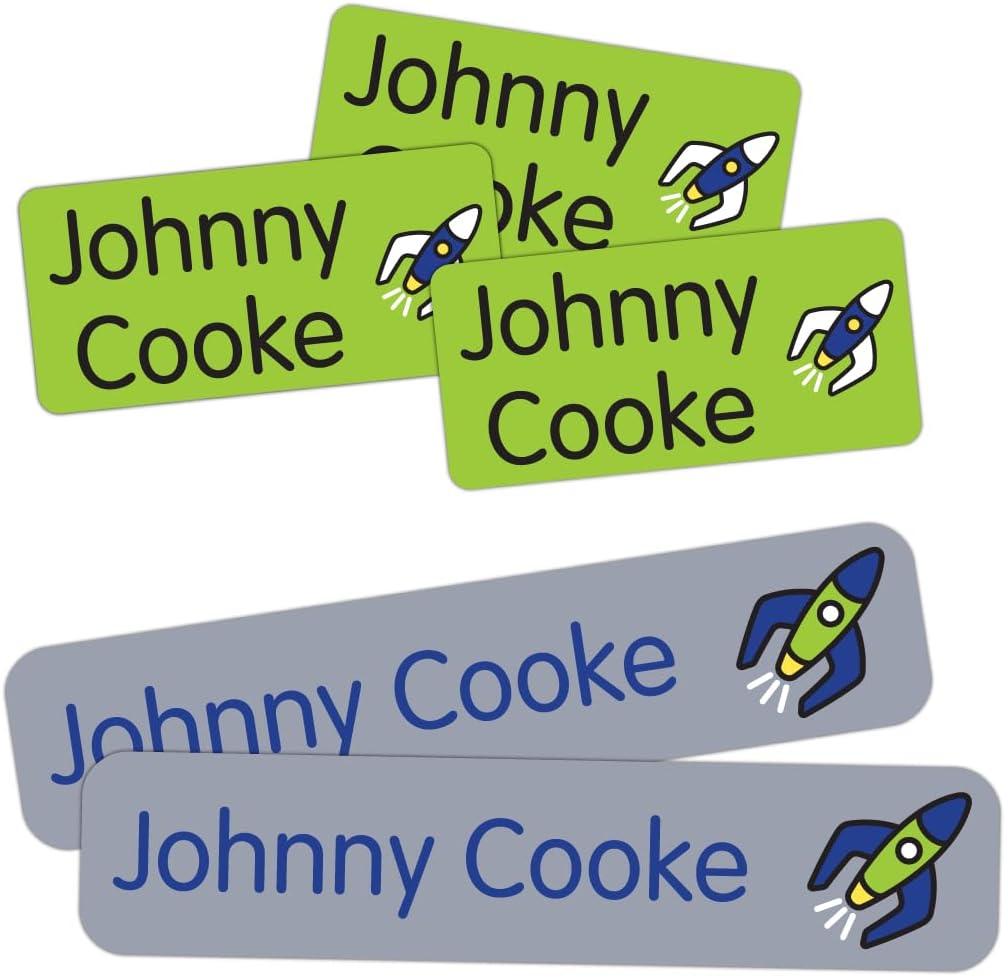
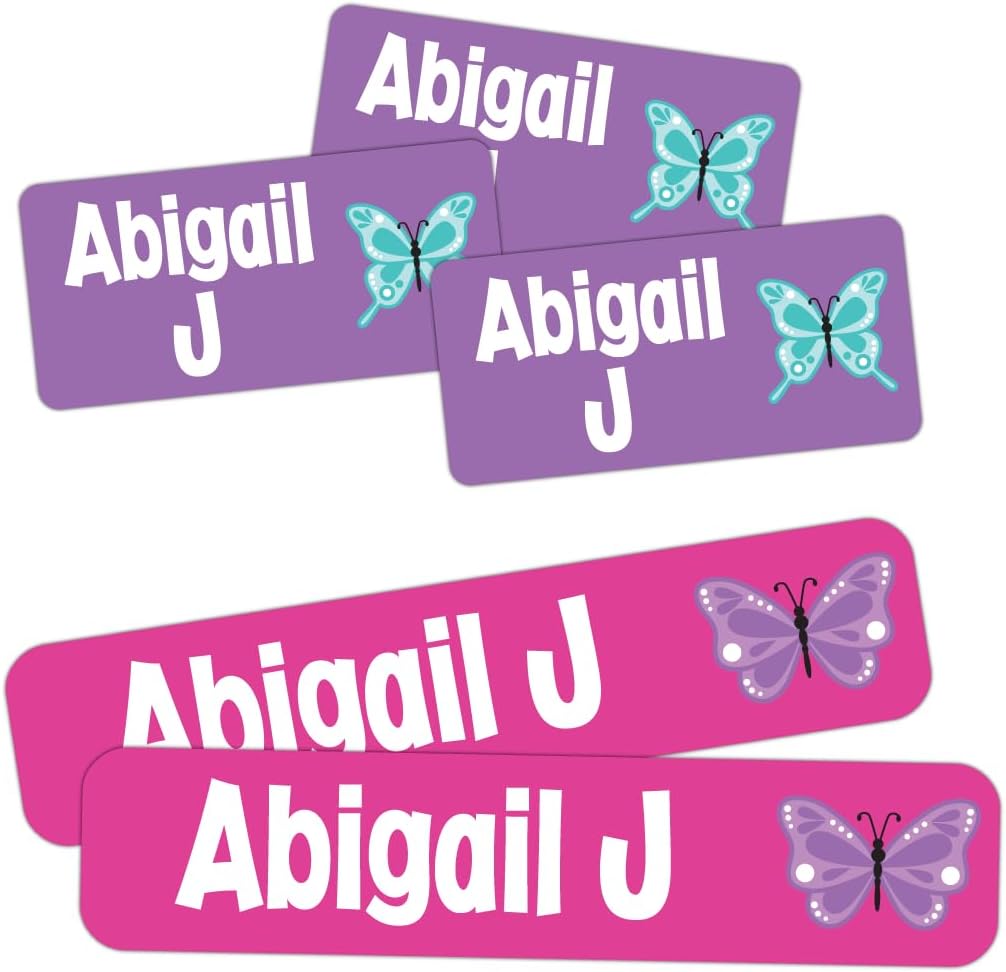
Best for: Families tired of losing water bottles and lunchboxes
- ✅ Extremely durable—won’t rub or wash off
- ✅ One pack lasted years across multiple kids
- Price $23 for 110 labels (this will last you years!)
Ticonderoga Pencils
The most basic of all school supplies, but even with pencils, quality matters. All the teachers I know request this brand and for good reason. They last longer and are less likely to break. Stock up!
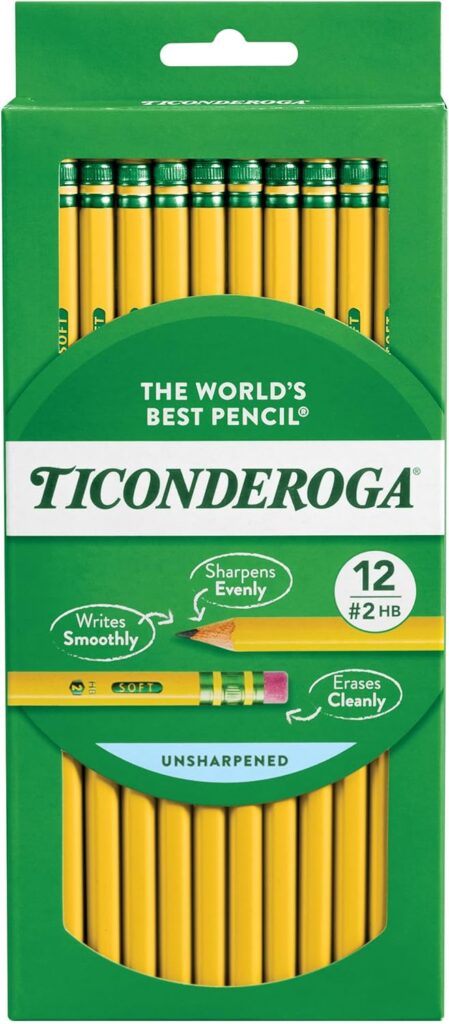
Best for: Any student, any grade—the teacher-recommended standard
- ✅ Breaks less often than off-brand pencils
- ✅ Inexpensive to stock up on
- Price $2.97 for 12 pack
PackIt Freezable Lunch Box
These lunch boxes are another must-have item. The whole thing freezes so you don’t have to worry about a cooler block insert to keep food cold. Brilliant! My son has used his for many baseball trips and it has held up well without any tears or rips.
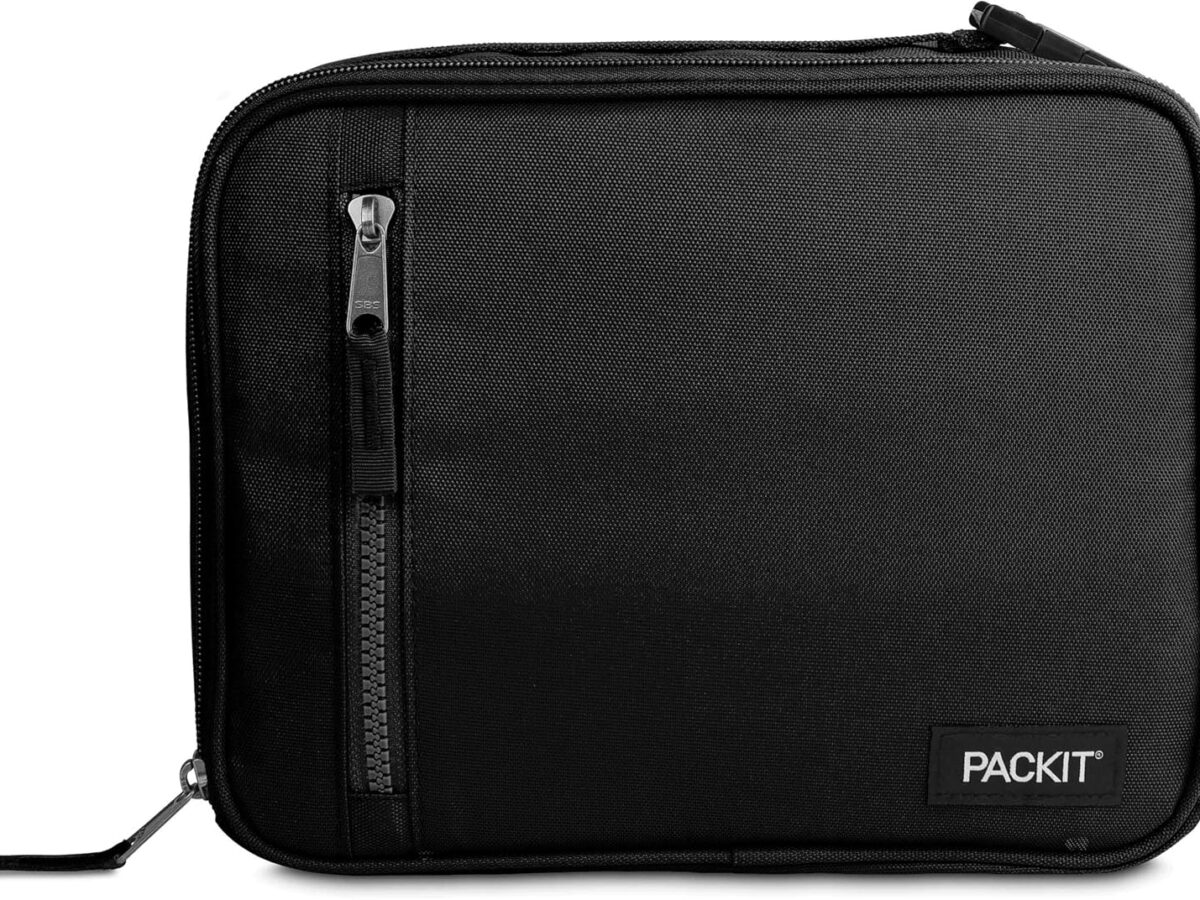
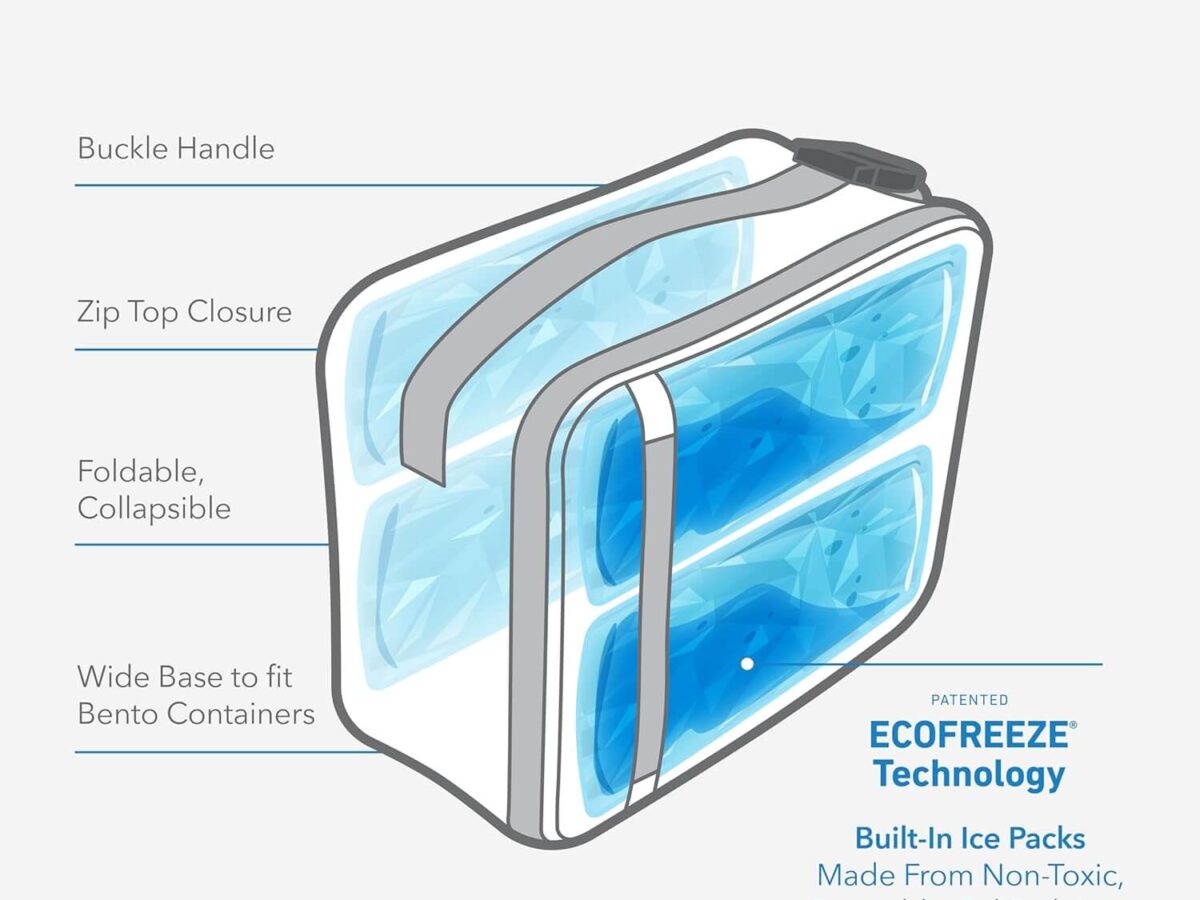
Best for: Parents who forget the ice pack
- ✅ Freezes as a whole unit—no separate cooler insert needed
- ✅ Holds up well through heavy daily use
- Price $20-26
Takeya Water Bottle
I’ve just recently upgraded to this water bottle from my cheap plastic ones and it’s great. It keep water cold for hours and it comes in several sizes so you can find one to fit in your child’s backpack.

Best for: Kids who need cold water to last a full school day
- ✅ Keeps water cold for hours
- ✅ Multiple sizes to fit different backpacks
- Price $27-35
Insulated Food Thermos
My kids eat school lunch most of the time (it’s actually decent), but on the occasional days when they need to pack a lunch, these come in handy. We mostly use them for warm food like soups, chili, or even leftovers. They keep food warm until lunchtime and are easy to clean.
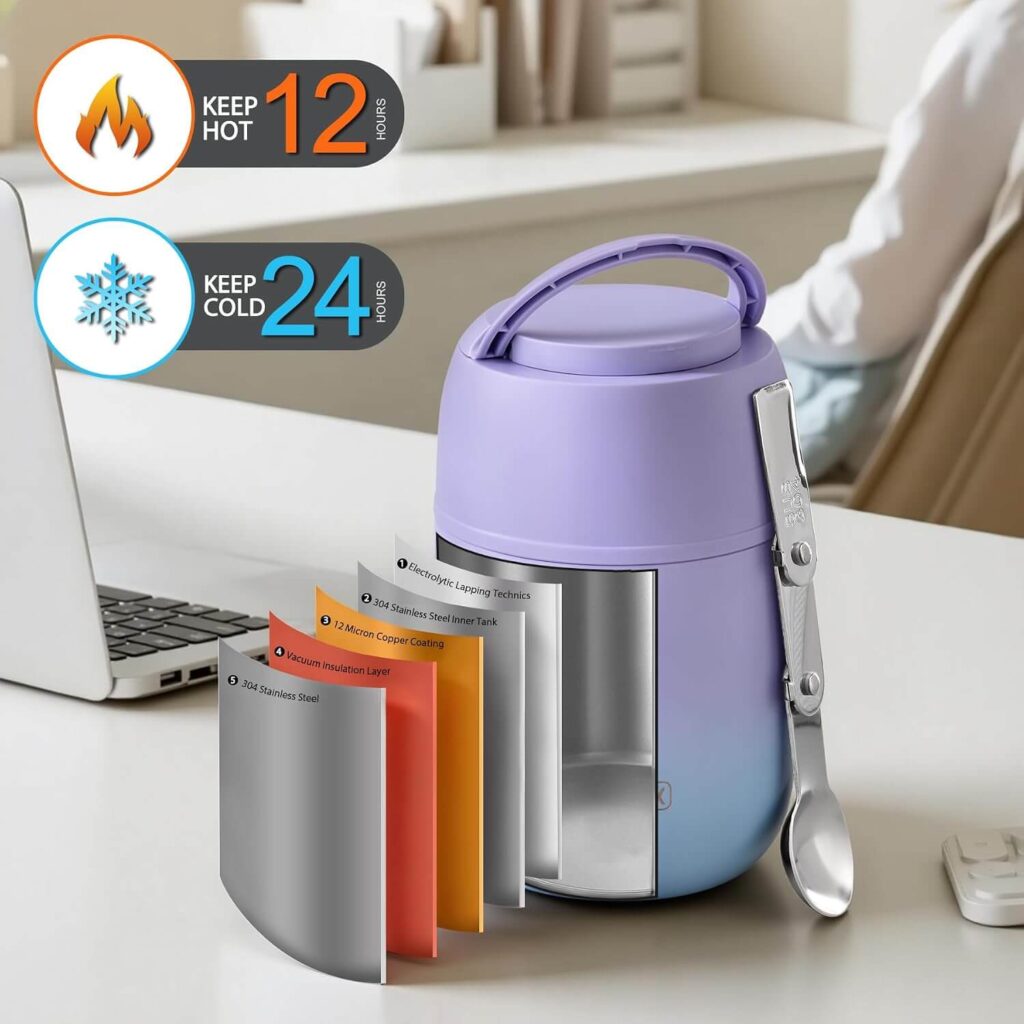
Best for: Packed-lunch days with warm food
- ✅ Keeps soups/leftovers warm until lunchtime
- ✅ Easy to clean
- Price $18
Athletic Socks
I don’t know if it’s just because they’re boys, but my kids go through socks like crazy. These have worked well for them.
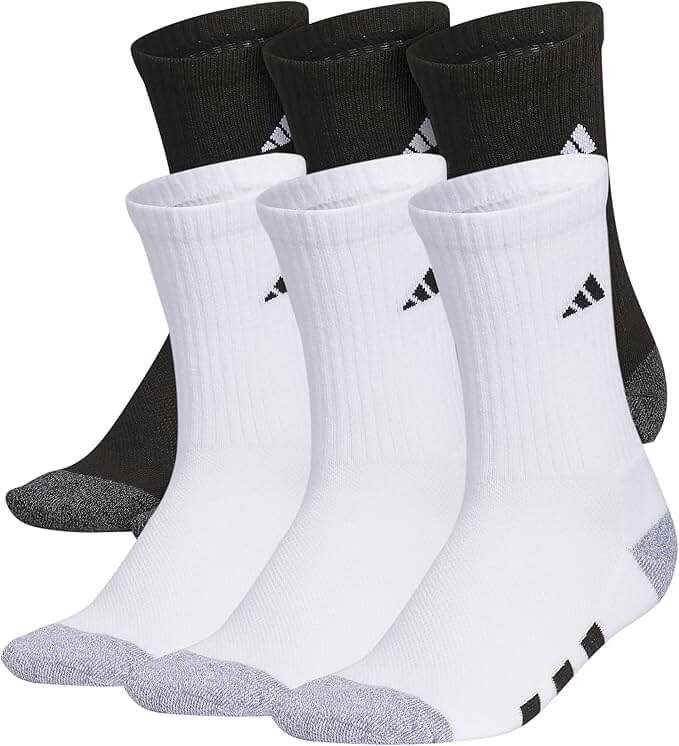
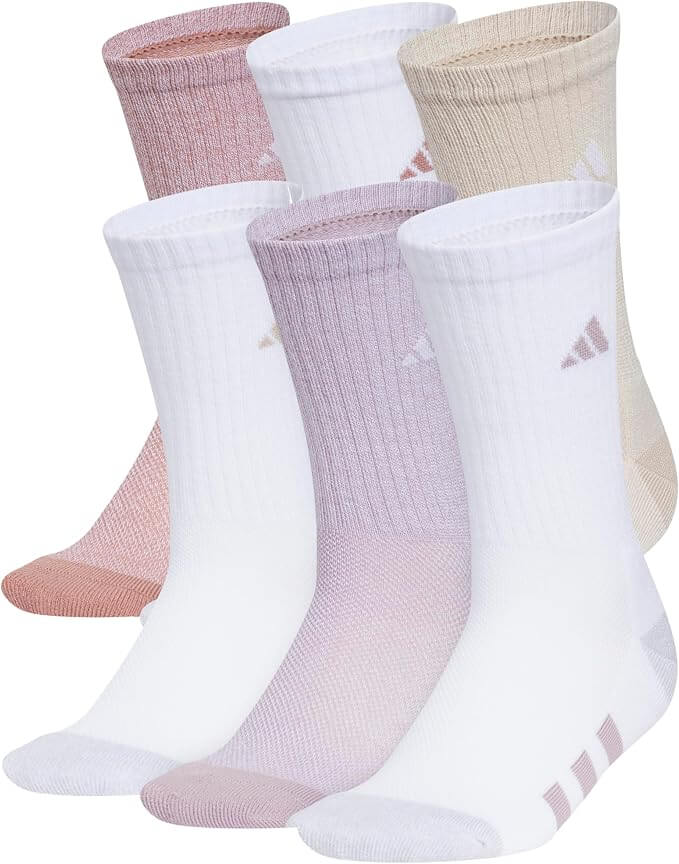
Best for: Active kids who go through socks fast
- ✅ Durable for daily wear and sports
- Price $13-15
Academic Planner
If your kids are middle school age or older, an academic planner is key. I still encourage them to use a paper version so everything is laid out in front of them without digital distractions.
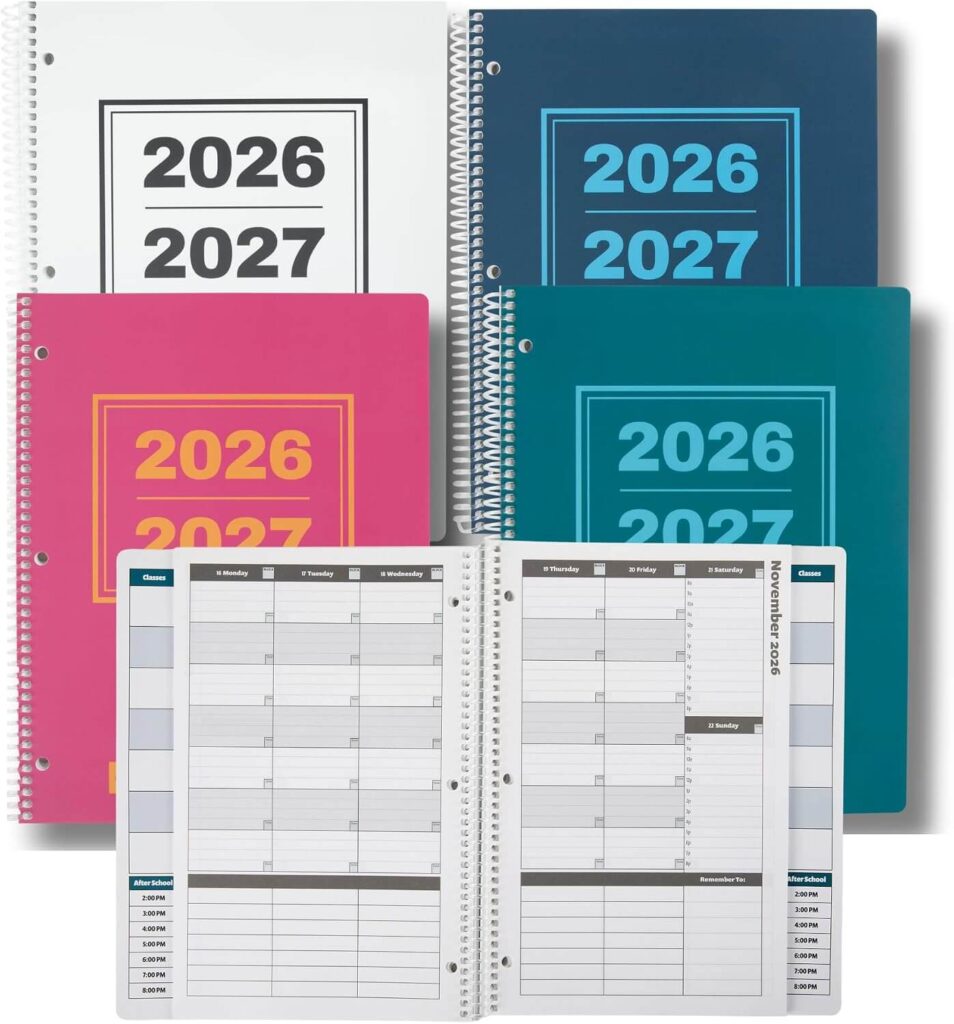
Best for: Middle school+ students juggling multiple classes
- ✅ Paper format reduces screen distraction
- Price $22
Reading Comprehension Cards
A little extra reading practice is always a good idea. I found these cards last year and used them with my youngest son. He didn’t mind doing them because they’re quick — he usually read a few as he ate breakfast or a snack. They just give a little boost to keep reading on track. They come in many different reading levels, as well as focus on different skills.
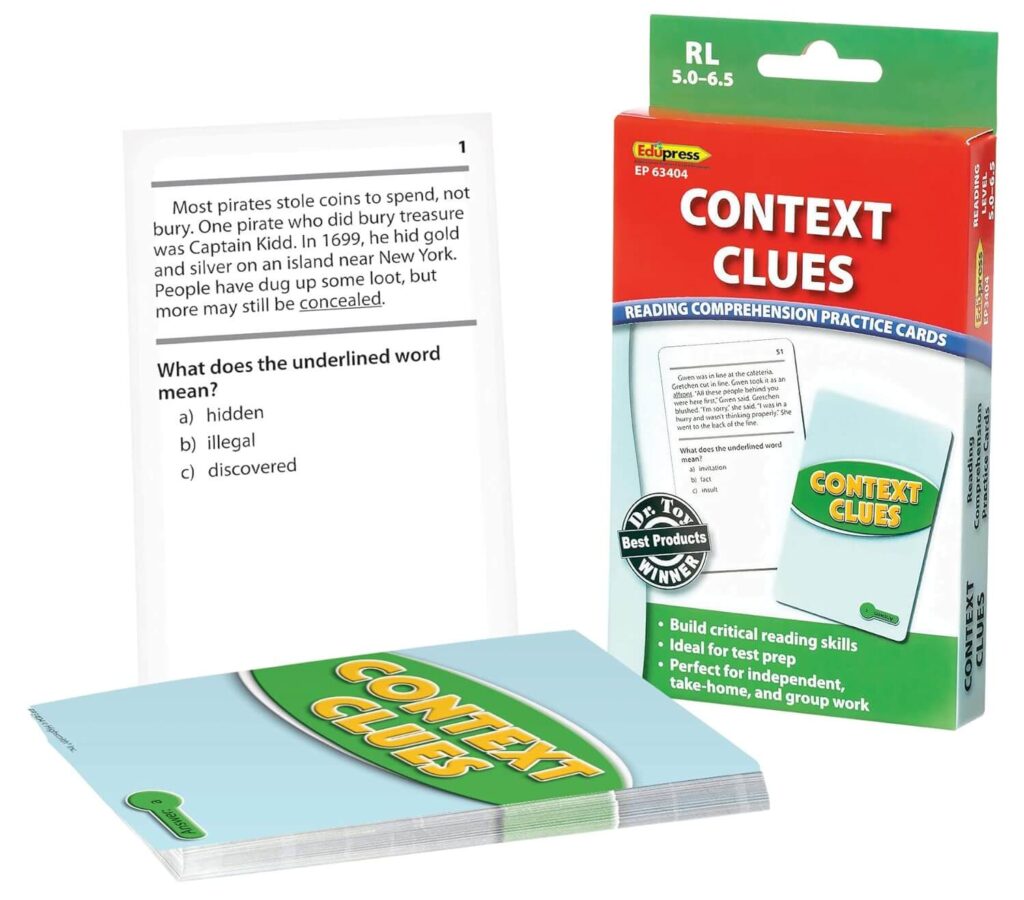
Best for: A quick daily reading boost without screen time
- ✅ Multiple reading levels and skill focuses
- ✅ Short enough to do during breakfast
- Price $15
FAQs About Back to School Prep
Talk through their specific worries rather than general reassurance. If they’re anxious about lunch or friends, brainstorm a concrete plan together. Walking through the school day schedule and creating a goodbye ritual for drop-off can also ease separation anxiety.
Yes. Mild anxiety about returning to school is common and usually isn’t a sign of a deeper problem, especially with parental support. If school refusal or anxiety persists for weeks or months, it’s worth checking in with a school counselor or pediatrician.
A paper academic planner is most helpful starting in middle school, when kids begin juggling multiple classes and assignments. Using paper instead of a digital app helps keep everything visible without added screen distractions.
Supplies matter, but emotional preparation matters more. Slowing down to connect with your child, hear their worries, and offer small choices (like picking their backpack) makes the transition smoother than any checklist alone.
Leave a Reply