
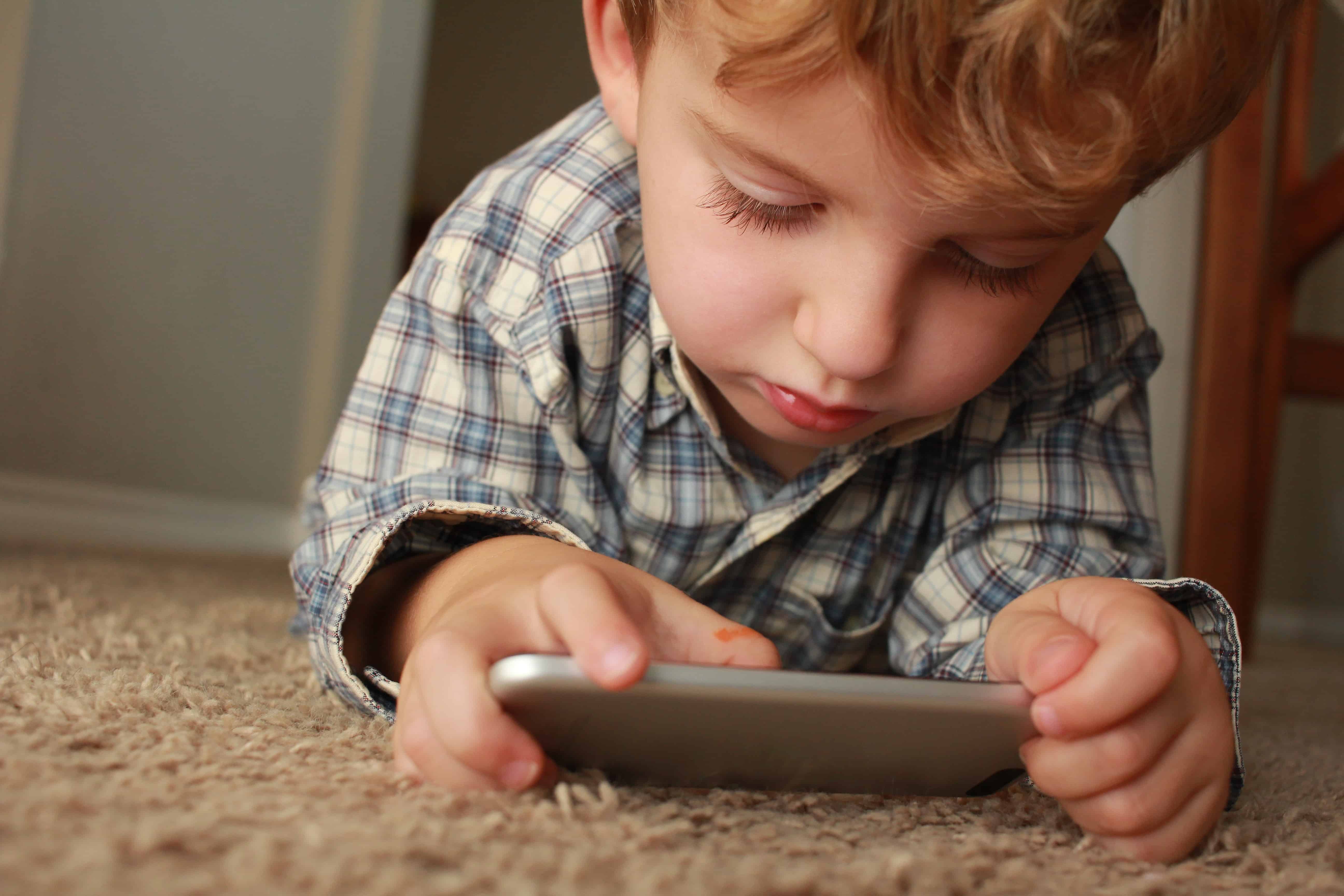
Sneak peek: Parents often wonder: are educational videos good for toddlers? Research shows toddlers learn far less from screens than from real interaction. Here’s what studies reveal.
Parents today are surrounded by media claiming to help young children learn. Streaming platforms, YouTube channels, and apps all promise to teach toddlers language, numbers, and social skills.
But many parents still ask the same question: are educational videos good for toddlers?
The research answer is more nuanced than many marketing claims suggest. While some media can support learning, studies consistently show that toddlers learn far more from real interaction with adults than from watching videos alone.
The Quick Summary:
Are Educational Videos Good for Toddlers?
Most research suggests toddlers learn very little from educational videos alone, especially under age three. Young children learn language best through interaction with caregivers, such as talking, playing, and reading together. Videos can support learning when parents watch with their child and talk about what’s happening on screen, but they are not as effective as real-life interaction.
Understanding why can help parents use media in ways that support development rather than replace it.
Understanding why can help parents use media in ways that support development rather than replace it.

Why “Educational” Videos for Toddlers Became Controversial
The debate around educational videos for babies and toddlers became widely known when the company behind the popular Baby Einstein videos—owned by The Walt Disney Company—offered refunds to parents after research questioned whether the videos actually improved children’s development.
Since then, researchers have conducted many additional studies examining how screen media affects early language learning.
The overall picture that has emerged is surprisingly consistent: young children struggle to learn from screens without adult interaction.
Related reading: Are Low-Stimulation Shows Really Better for Children?
What Research Shows About Toddlers Learning From Video
One helpful study published in the journal Child Development explored whether toddlers could learn verbs from video.
Researchers studied 40 children between 30 and 42 months old, comparing younger toddlers with older preschoolers.
Children experienced two different situations:
- Video only: The child watched a video demonstrating an action word.
- Video plus live interaction: The child watched the video while an adult also demonstrated the action in real life.
What the researchers found
The results were clear:
- Children under age 3 could not learn the verbs from video alone.
- Children under 3 could learn the verbs when an adult interacted with them.
- Children over age 3 were able to learn the verbs from the video itself.
This helps explain why many “educational” toddler videos don’t work as well as parents might hope.
Young children often need real-life interaction to connect words with meaning.

Do toddlers learn from videos?
Developmental psychologists sometimes call this the video deficit.
Young children have difficulty transferring information from a two-dimensional screen to the real world. Toddlers are still developing important skills like:
- symbolic thinking
- attention control
- language processing
- connecting images to real-life experiences
Because of this, a person interacting with the child is far more powerful than a video alone.
New Research on Screens and Toddler Language Development
More recent studies continue to support these earlier findings.
A 2024 study examining toddlers’ digital media use found that higher amounts of passive video watching were linked to weaker vocabulary development, particularly when screens were used mainly to calm or occupy children.
Researchers also found that how media is used matters just as much as how much is used.
For example:
- Passive watching is linked to weaker language development
- Interactive or shared media experiences may reduce the negative impact
- Media used for social interaction (like video calls) is less concerning
Large reviews of screen-time research similarly conclude that co-viewing with parents is associated with better cognitive outcomes than children watching alone.
In other words, the presence of an engaged adult makes a major difference.
Related reading: Are Screens Making It Harder for Kids to Regulate Emotions?
At What Age Do Children Start Learning From Videos?
Research suggests that children under age three have difficulty learning from videos alone. Toddlers struggle to transfer information from a screen to the real world.
By around age 3 or 4, children become better able to learn new words and concepts from videos. Even then, learning improves significantly when parents watch with their child and talk about the content.
Educational videos are least effective when:
- toddlers watch alone
- the content tries to teach complex language
- screen time replaces conversation or play
They are more beneficial when:
- a parent watches together with the child
- adults talk about what is happening on screen
- the video leads to conversation, play, or imitation afterward
This is often called co-viewing, and studies consistently show it improves children’s learning from media.
What Actually Helps Toddlers Learn Best
Despite advances in educational media, the strongest drivers of early language development are still simple, everyday interactions:
- talking with your child
- reading together
- playing and describing what you’re doing
- responding to your child’s communication attempts
These activities create the back-and-forth interaction that young brains rely on to learn language.
Screens cannot fully replicate that kind of responsive conversation.
Related Resources
Leave a Reply