

Seeing your child feeling an unknown symptom or unusual experience can be scary as a parent. That’s why I’m sharing a guest post from Ubie Health to help us understand this common, but often unknown experience: hypnopompic hallucinations in children. Ubie Health sponsors this post.
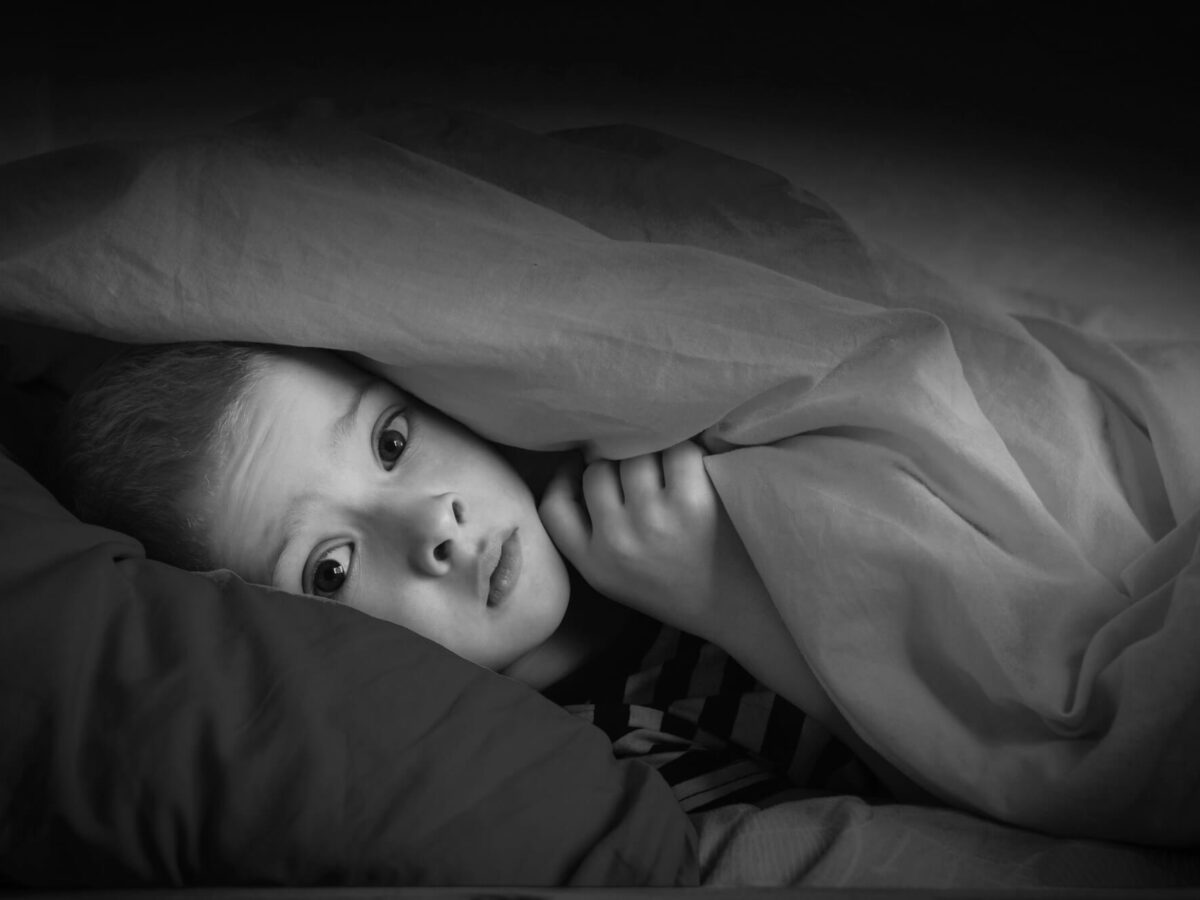
Few things are more alarming for a parent than a child waking up screaming about seeing a shadowy figure in the corner of their room—only for the child to become fully alert moments later and find nothing there. While this may sound like the plot of a horror film, it is often a completely normal neurological event known as a hypnopompic hallucination. Understanding what these episodes are, why they happen, and when to seek help can spare families a great deal of unnecessary fear and anxiety.
What Are Hypnopompic Hallucinations?
Hypnopompic hallucinations are vivid sensory experiences that occur as a person transitions from sleep to wakefulness. The word “hypnopompic” comes from the Greek hypnos (sleep) and pompe (sending away), essentially meaning “the sending away of sleep.” During this transitional state, the brain is not yet fully awake, and fragments of dreaming—visual, auditory, or even tactile—can bleed into conscious awareness.
These hallucinations are different from dreams. While dreams occur during deep sleep, hypnopompic hallucinations happen in that brief, in-between window just before a person is fully conscious. A child may see moving shapes, animals, people, or insects in their room. They may hear voices or sounds. In some cases, they may even feel a physical sensation, such as something touching them or a sense of falling.
Their counterpart, hypnagogic hallucinations, occur when falling asleep rather than waking up, and both types are considered part of the same spectrum of sleep-wake transition phenomena.
Why Do They Happen in Children?
Children are particularly prone to these experiences because their sleep architecture is still maturing. The brain cycles through different sleep stages throughout the night, and children spend proportionally more time in REM (rapid eye movement) sleep—the stage most associated with vivid dreaming—than adults do. When a child wakes up abruptly from REM sleep, the brain’s visual and emotional centers can remain partially active, producing lifelike images or sounds that feel entirely real.
Several factors can increase the likelihood of hypnopompic hallucinations in children, including sleep deprivation, irregular sleep schedules, high fever, stress, and certain medications. Children who are overtired or going through significant life changes, such as starting a new school or dealing with family stress, may experience them more frequently.
There is also a genetic component. Hypnopompic hallucinations are more common in families with a history of narcolepsy or other sleep disorders, though the hallucinations themselves do not necessarily indicate that a child has narcolepsy.
How To Identify Hypnopompic Hallucinations
It is natural to wonder whether these experiences are symptoms of something more serious, such as a psychiatric condition or seizure disorder. A few distinguishing features can help parents identify hypnopompic hallucinations specifically. They almost always occur
- immediately upon waking,
- last only seconds to a couple of minutes, and
- resolve completely once the child is fully alert. The child is typically coherent and calm after the episode and can often describe exactly what they saw or heard.
Night terrors, by contrast, involve intense fear and confusion that can persist for several minutes, with the child often being inconsolable and unaware of their surroundings. Seizure-related episodes may involve unusual physical movements, prolonged confusion, or loss of bladder control.
If hallucinations occur at other times of day, are accompanied by other neurological symptoms, or seem to be distressing the child beyond normal tiredness, a pediatrician or sleep specialist should be consulted.
Related reading: Parenting Books to Get You Through Each Phase of the Early Years
How to Support a Child Who Experiences Hypnopompic Hallucinations
The most effective approach is reassurance. Explain to your child, in age-appropriate language, that their brain was still dreaming for a moment even though their eyes were open. Normalize the experience without dismissing it—the hallucinations feel very real to them, and their fear deserves to be acknowledged.
Establishing consistent sleep routines, ensuring adequate sleep duration, and reducing pre-bedtime screen time can significantly reduce the frequency of these episodes. A calm, predictable wind-down routine helps the brain transition through sleep stages more smoothly.
Reassurance For Parents
Hypnopompic hallucinations in children are, in most cases, a normal and temporary quirk of the developing brain rather than a cause for alarm. They reflect the remarkable complexity of how the young mind navigates the boundary between sleep and wakefulness. With understanding, reassurance, and healthy sleep habits, most children move through this phase without lasting effects. When in doubt, a conversation with a healthcare provider can offer peace of mind and ensure nothing more serious is at play.

Leave a Reply