
A backyard playground can add fun and daily activity to a child’s life. However, many parents focus on color and price and miss hazards that hide in plain sight. Many parents miss hidden safety risks that can lead to preventable injuries.
This article shows how backyard playground ground cover, weak guardrails, sharp edges, poor fit for age, and loose parts can raise injury risk. It also explains why regular care and proper design matter before a child uses the set. [This is a sponsored post]
Safety Risks to Consider in Backyard Playgrounds
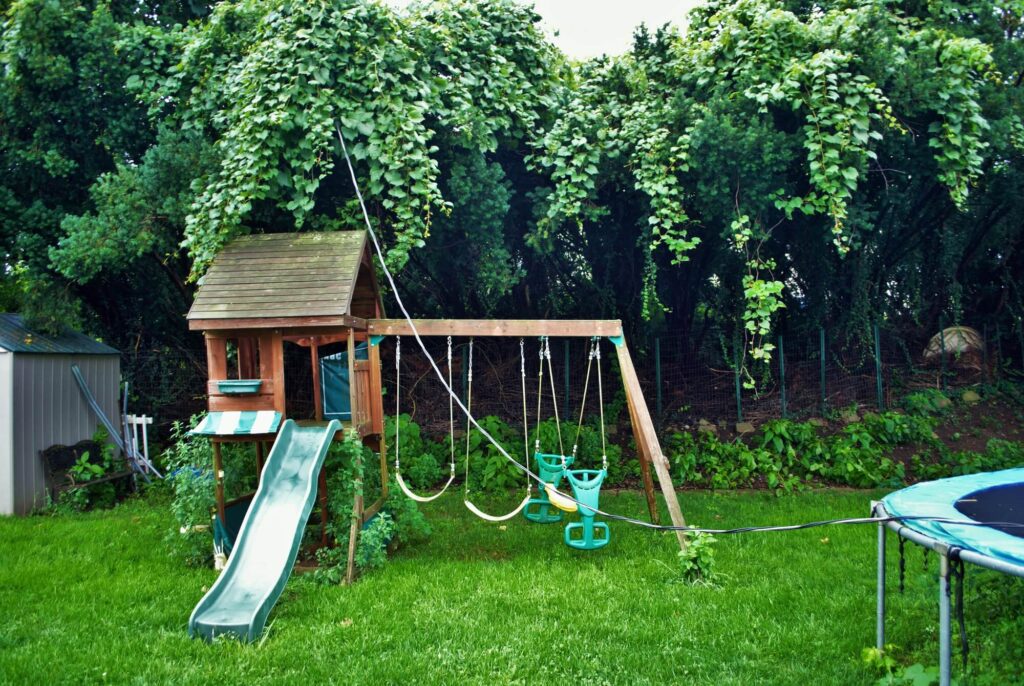
1. Improper surfacing materials increase injury risk
Many parents focus on the structure but overlook the ground below a backyard kids’ playground. High-quality backyard kids’ playground equipment reduces harm since the surface under it is usually made with fall-safe material. However, parents should still pay close attention to the backyard playground ground cover when deciding on which playset to purchase. Falls cause most playground injuries, and the surface often decides how severe those injuries become.
Grass and packed dirt may look soft, yet they harden over time. Concrete, asphalt, or thin rubber mats offer little shock absorption. As a result, a fall from a slide or swing can lead to broken bones or head injuries.
Safety groups report that most playground injuries come from falls to the ground. In addition, public safety guidance suggests at least 12 inches of loose-fill material, such as wood chips or mulch, under and around equipment. Shallow layers shift or scatter, which lowers protection.
Equipment height also affects risk. Structures over five feet increase the chance of injury, so deeper and well-kept surfacing becomes even more important. Parents should check the depth often and refill loose material as needed.
2. Inadequate guardrails on elevated platforms
Elevated platforms add height and fun to a backyard playground. However, they also raise the risk of a hard fall. Many parents focus on slides and swings but pay less attention to guardrails.
A lack of guardrails on platforms above 20 to 30 inches can put young children at risk. Preschool-age children have less balance and weaker judgment. As a result, they can step backward or lose footing near an open edge.
Guardrails should fully cover the open sides of platforms and fit at the right height for the child’s age group. Gaps between rails should stay narrow enough to prevent a child’s body from slipping through. In addition, rails must attach firmly so they do not loosen over time.
Parents should check each elevated surface before purchase. Solid barriers and secure rails reduce the chance of falls and help create a safer play space.
3. Equipment with sharp edges or pinch points
Sharp edges and pinch points create a real risk on backyard playgrounds. Exposed bolt ends, rough metal, cracked plastic, or splintered wood can cut skin. In addition, open hooks and hardware that stick out can snag clothing or scratch a child’s face or hands.
Pinch points often hide near moving parts such as swing chains, hinges, and slide joints. Small gaps can trap fingers and cause painful injuries. Therefore, parents should check that joints fit tightly and that protective caps cover bolts and hooks.
Surface wear also increases danger over time. Rust, chipped paint, and loose parts can form sharp areas that did not exist at first. As a result, parents should inspect equipment often and fix or replace damaged pieces right away.
A safe playset should have smooth, rounded edges and secure hardware. Careful inspection before purchase helps reduce preventable injuries.
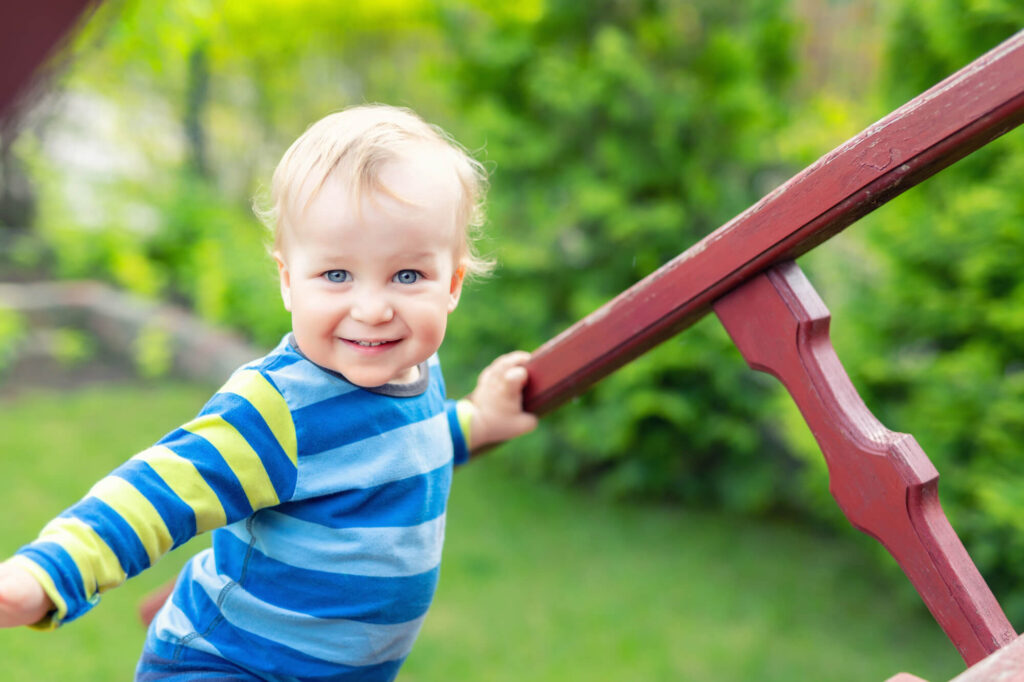
4. Lack of age-appropriate design and size
Many parents choose a backyard playground based on price or appearance. However, design and size must match a child’s age and ability. Equipment built for older children often includes higher platforms, wider gaps, and more complex features.
Younger children lack the strength, balance, and judgment that older kids have. As a result, they face a higher risk of falls and other injuries on oversized structures. Safety groups note that age labels exist for a reason and help guide proper use.
In addition, small children can slip through guardrails that suit older kids. Platforms that sit too high above the ground also increase injury risk. Therefore, parents should check height limits, spacing between bars, and recommended age ranges before purchase.
A playset that fits a child’s size allows safe movement and builds skill at a steady pace.
5. Poor equipment maintenance and loose parts
Parents often focus on size and features but overlook upkeep. However, poor maintenance can turn even sturdy equipment into a hazard. Backyard playgrounds face sun, rain, and temperature changes that weaken parts over time.
Bolts, nuts, and screws can loosen after months of use. As a result, platforms may shift and handrails may wobble. A child who climbs on unstable parts can slip or fall.
Metal pieces may rust, and wooden beams may crack or splinter. In addition, plastic parts can fade and become brittle. These changes increase the risk of cuts, pinched fingers, and broken pieces.
Experts recommend regular inspections to spot wear and damage early. Parents should check for loose hardware, sharp edges, and worn ropes. They should also tighten fasteners and replace damaged parts right away.
Routine care keeps equipment stable and reduces avoidable injuries.
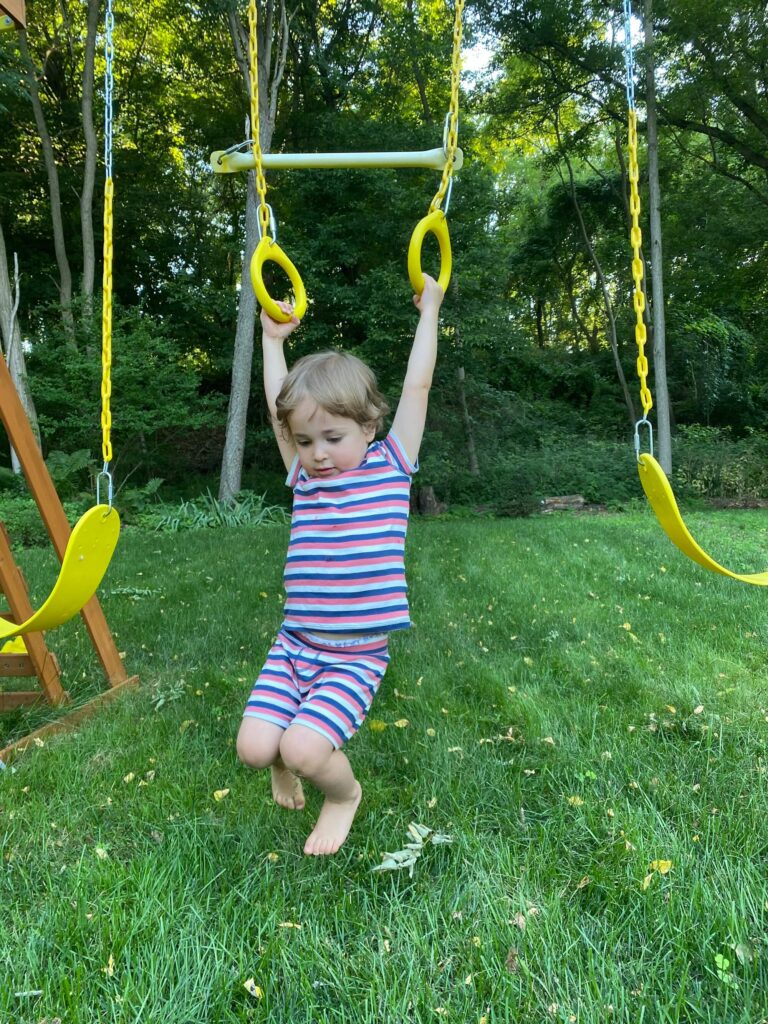
Safety First
Parents often focus on price and appearance, yet they must pay equal attention to surface material, equipment spacing, age fit, and routine inspection.
Key safety checks include:
- Soft impact surfaces, such as mulch or rubber
- Stable anchors and secure hardware
- Safe distance from pools, roads, and driveways
- Clear age labels and weight limits
A careful review of these details helps reduce injury risk and supports safe daily use. With informed choices and regular upkeep, families can create a backyard play space that supports active play without avoidable hazards.
Leave a Reply