

Sneak peek: Learn about play schemas and what they mean for your child’s development. Discover how these patterns support deep learning—and how to better support your child’s development through play.
Has your child ever gone through a phase where they only wanted to do one very specific kind of play?
Maybe it was trains—endlessly building tracks. Or playing “doctor” on repeat. Or turning every blanket in the house into a fort.
It can feel a little puzzling (and sometimes exhausting), but there’s actually a really good reason for it.
That intense focus is often driven by something called play schemas.
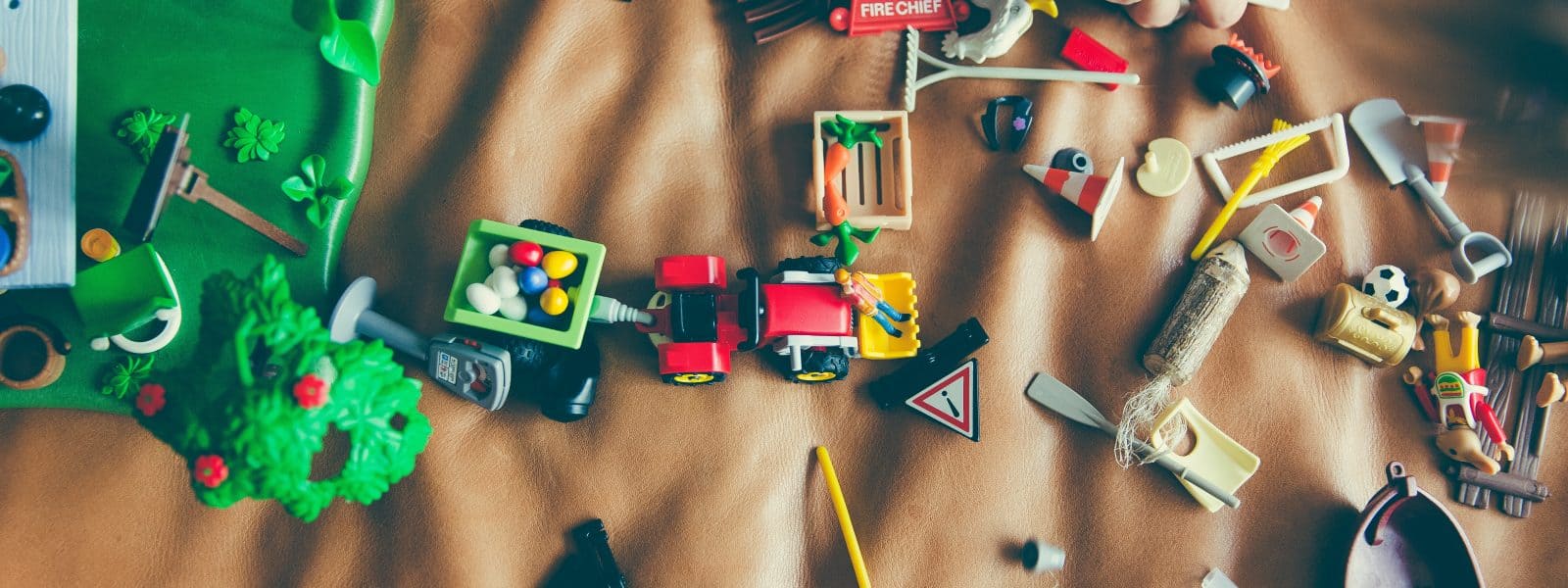
What Are Play Schemas?
A play schema is just a simple way of describing the type of play a child is naturally drawn to at a particular stage of development.
In other words:
When your child seems obsessed with doing the same kind of activity over and over, they’re not stuck—they’re learning.
They’re exploring an idea their brain is trying to understand.
I had a sense these patterns existed just from watching my own kids, but I didn’t fully understand them until I came across research explaining the different types. And once you see them, you can’t unsee them.
How Understanding Play Schemas Can Help You
Understanding play schemas can completely change how you respond to your child’s behavior.
Instead of thinking:
“Why are they doing this again?”
You start thinking:
“What are they trying to figure out?”
It also helps you:
- Choose toys your child will actually use
- Reduce frustration (for both of you)
- Support deeper learning through play
And most importantly, it helps you protect something incredibly valuable—playful learning.
Related reading: Learning to Play Well with Others: The Best Toys for Social Play
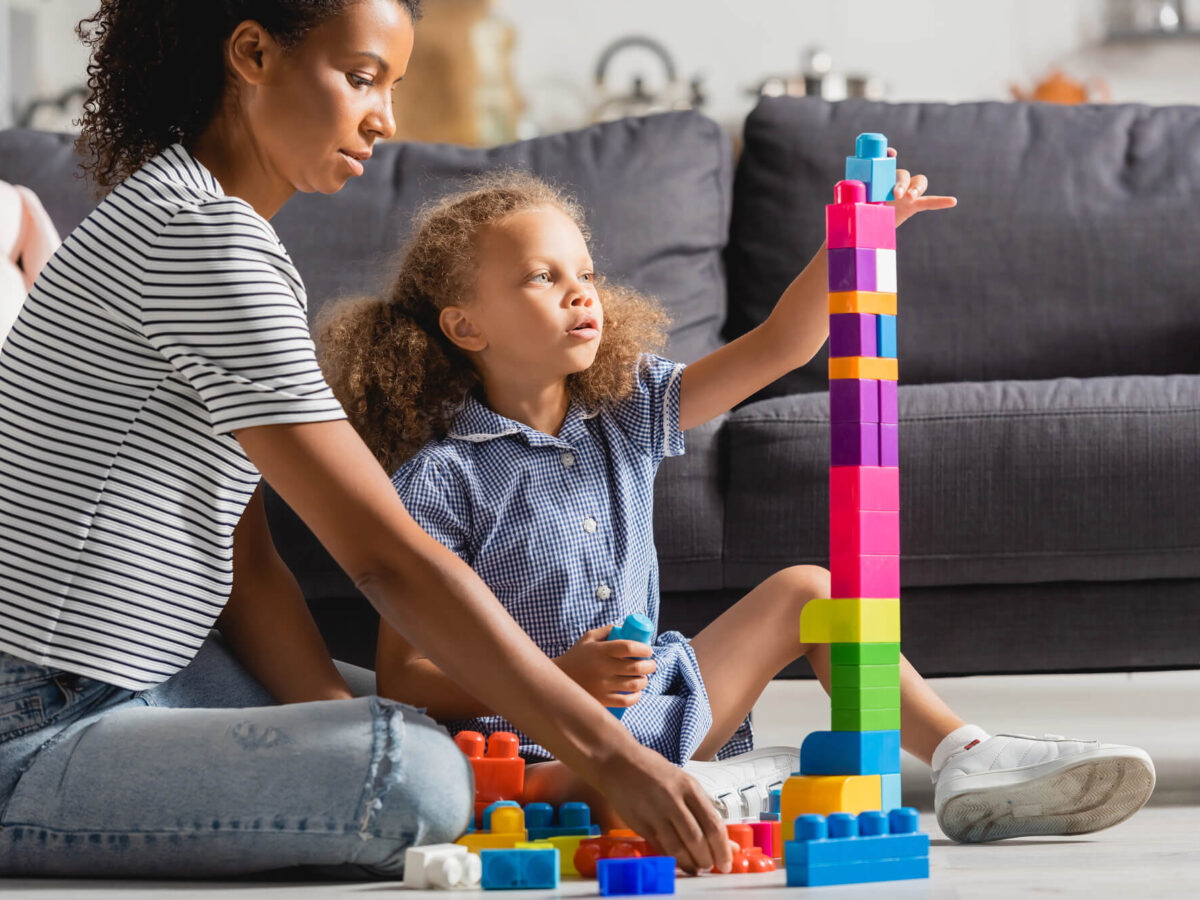
What Play Really Looks Like
When considering play schemas, it’s also helpful to think about what play is all about. Researcher Kathy Hirsh-Pasek describes the most powerful kind of play as having five key qualities. Great play is:
- Active – your child’s mind is engaged, not just their hands
- Engaged – they’re focused and absorbed
- Meaningful – it connects to something they care about. It may not always make sense to you, but it matters to them.
- Social – it often involves interaction (even if it’s just with you)
- Iterative – they repeat and refine what they’re doing. Children often learn best through repetition.
- Joyful – it feels fun and intrinsically rewarding. Real play doesn’t need extrinsic rewards; it feels joyful all on its own.
When you look at play schemas through this lens, something clicks:
That repetition?
That “obsession”?
That urge to do it again and again?
That’s exactly what deep learning looks like.
Common Types of Play Schemas
Here’s a simple breakdown of some of the most common schemas you might see:
Orientation
The urge to explore positions in space.
Kids might hang upside down, crawl under tables, or twist their bodies in unusual ways.

Positioning
The need to arrange things “just right.”
Think lining up toys, stacking books, or organizing objects by size or color.

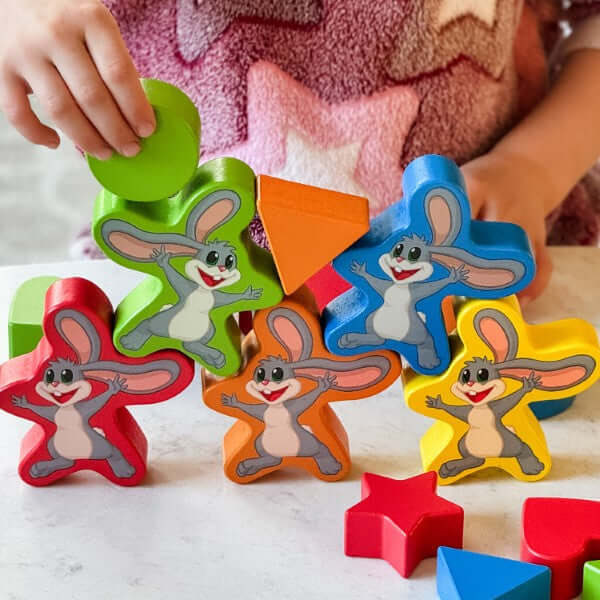
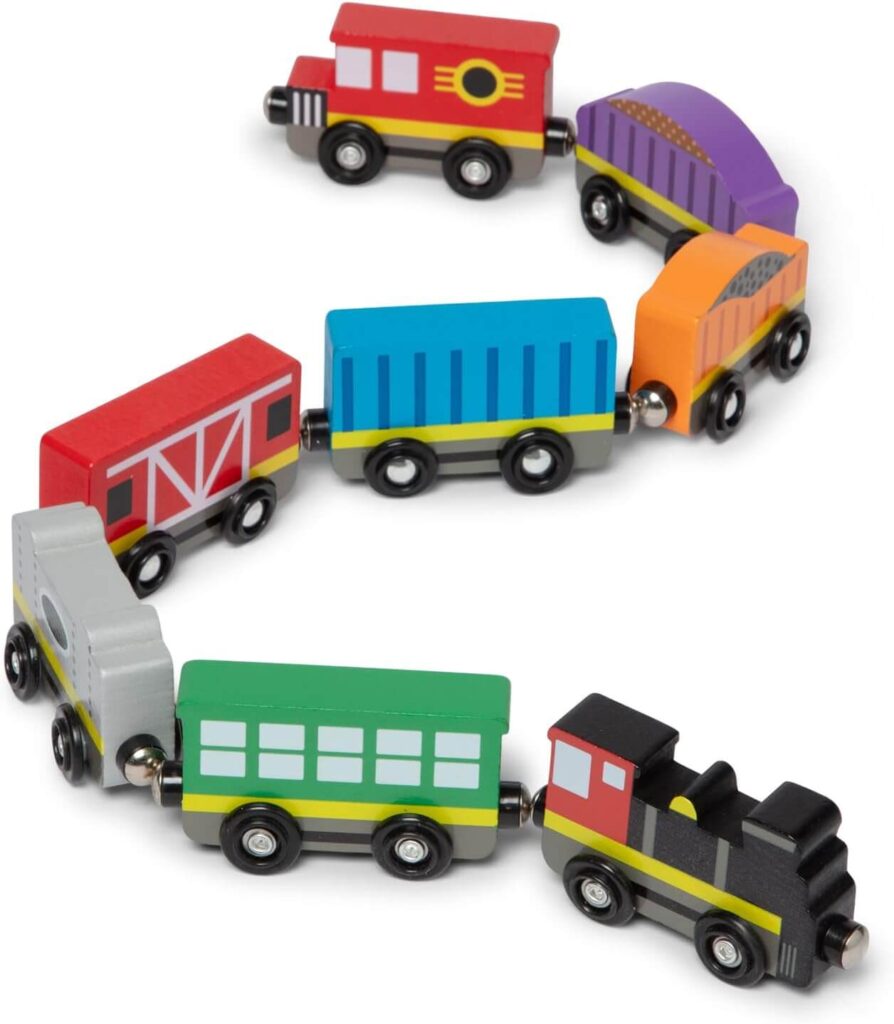
Connection
The drive to join (or separate) things.
Building train tracks, snapping together blocks or knocking them apart.

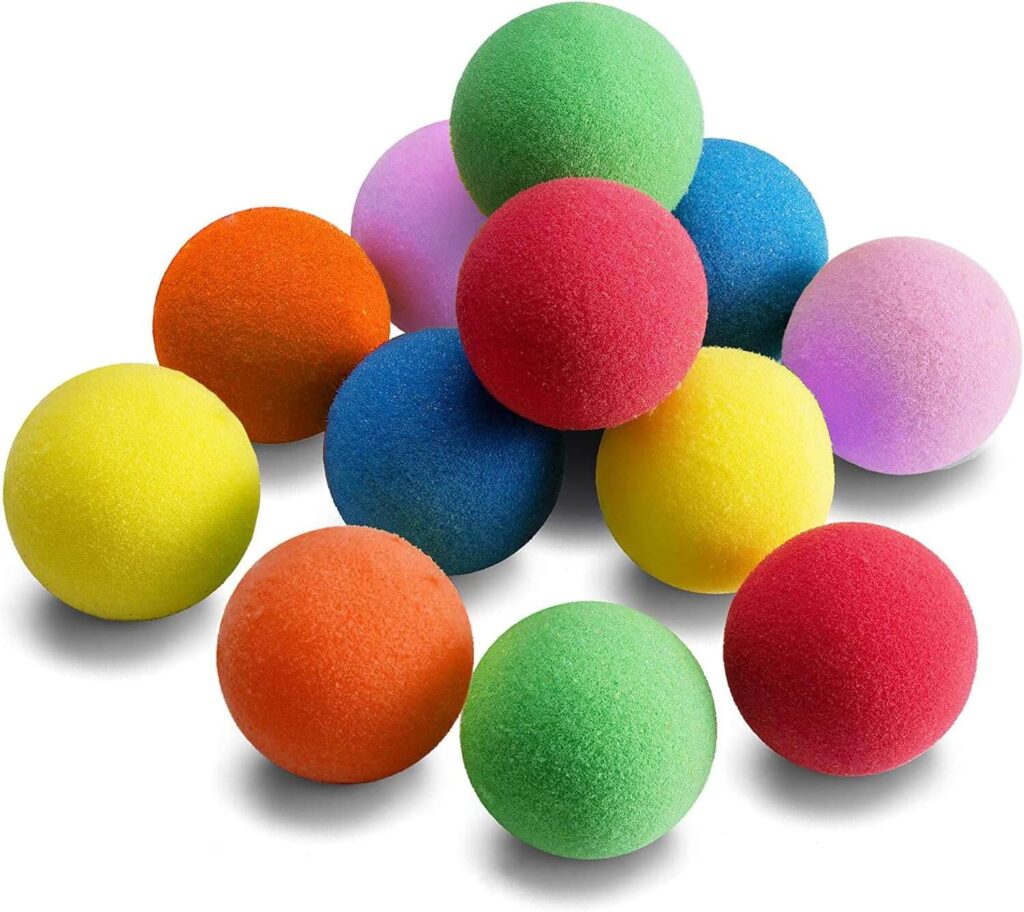
Trajectory
An interest in how things move.
Throwing, dropping, jumping, or watching objects fall.

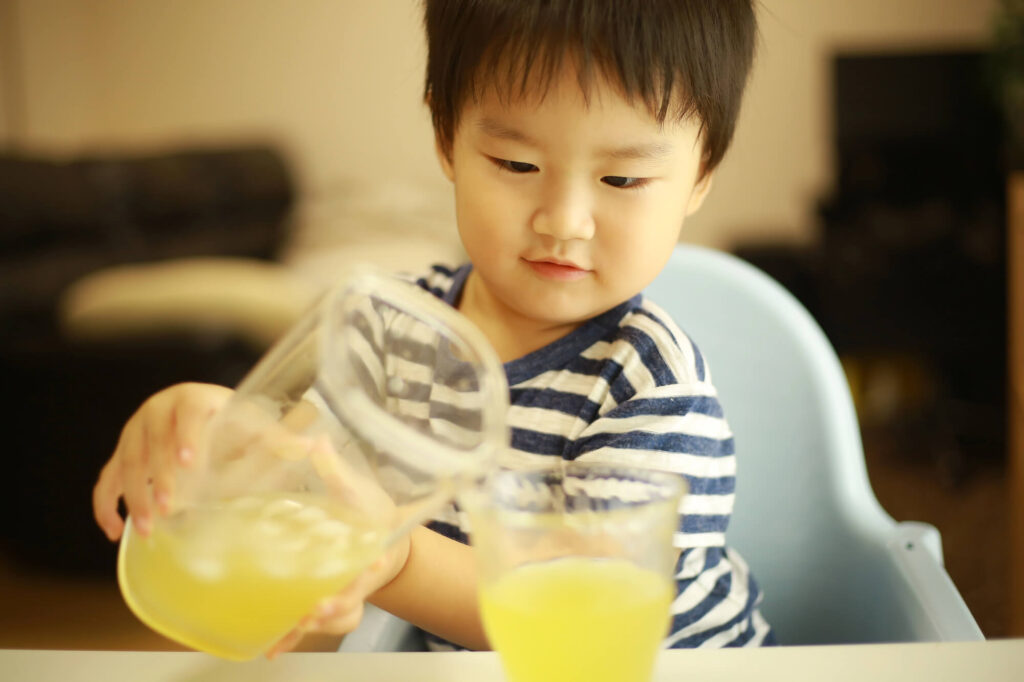
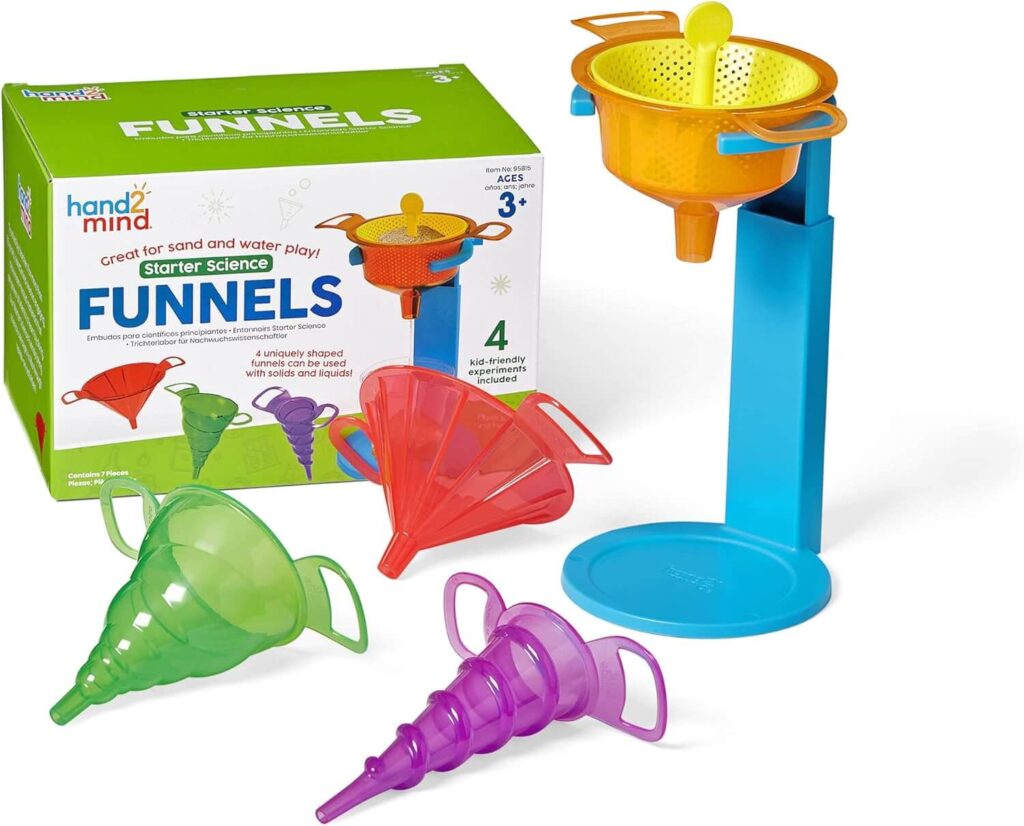
Enclosure / Container
The urge to fill, empty, and contain.
Pouring water, filling buckets, climbing into boxes, building forts.
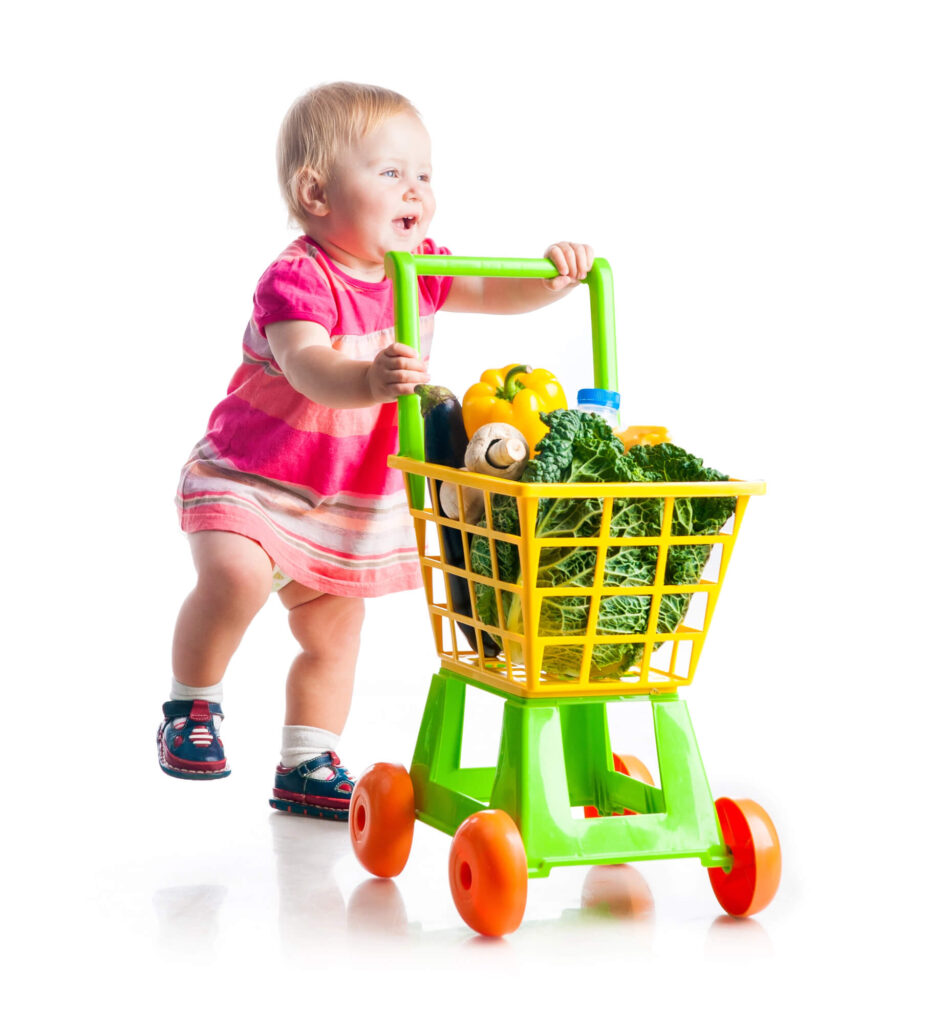
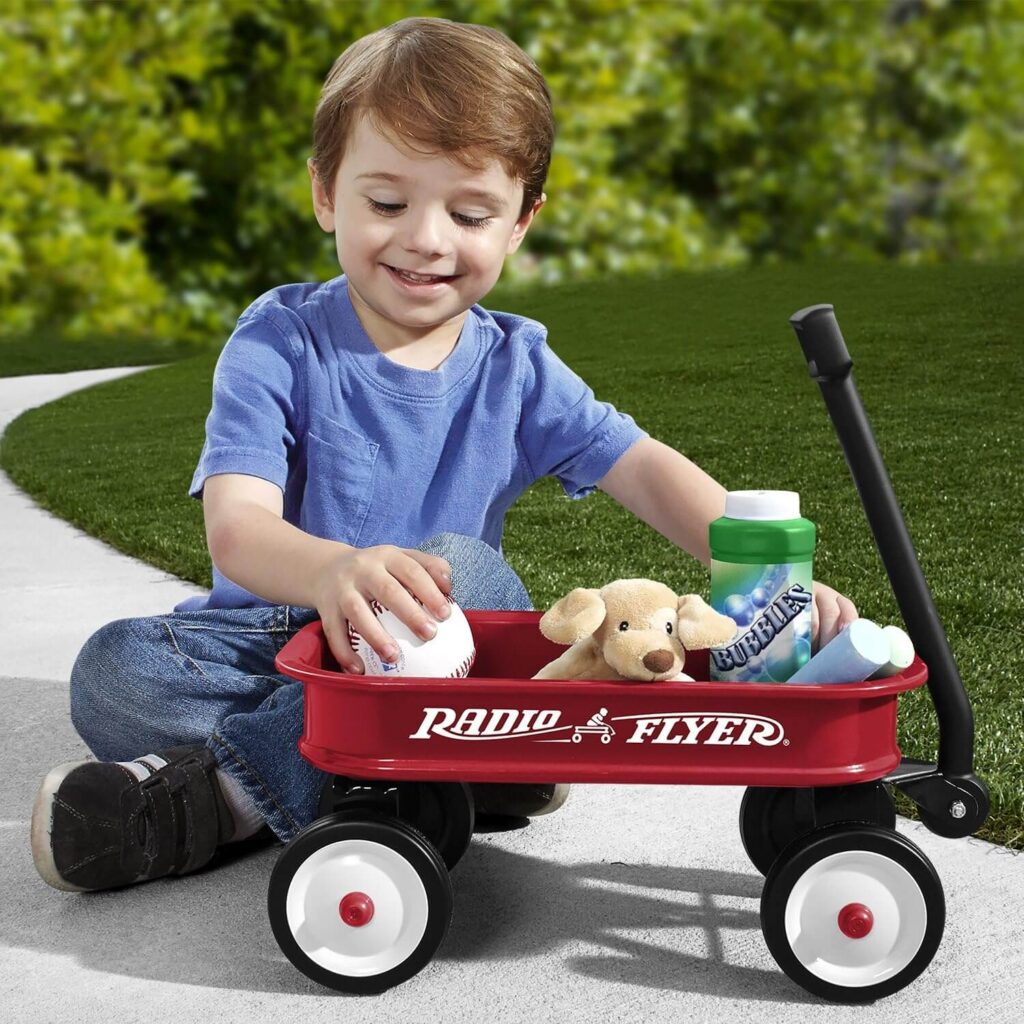
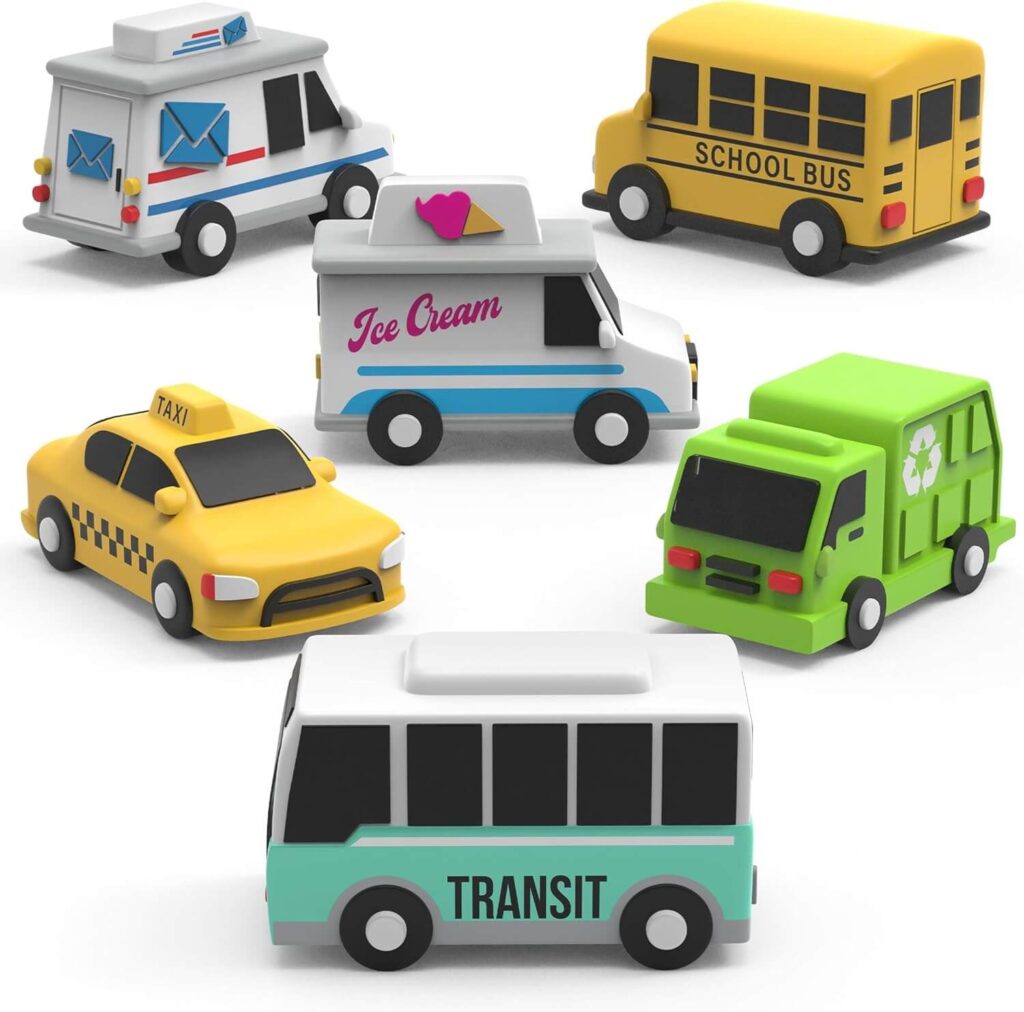
Transporting
Moving items from one place to another.
Carrying toys in bags, pushing carts, loading and unloading objects.
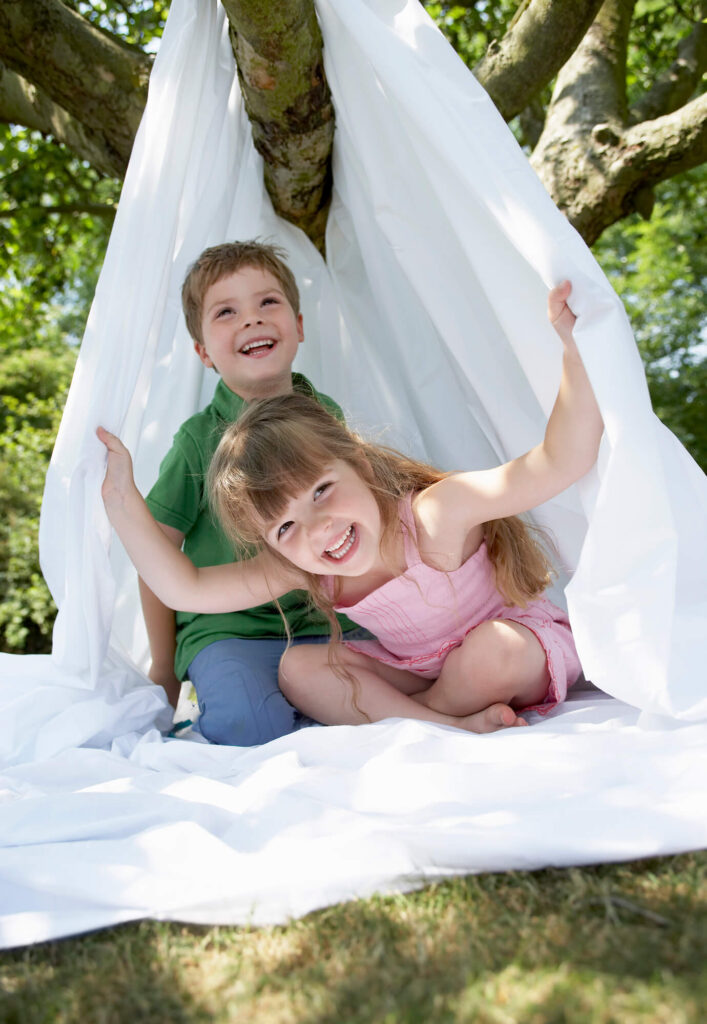
Enveloping
Covering or wrapping things.
Wrapping toys in blankets, hiding under sheets, covering objects with paper.
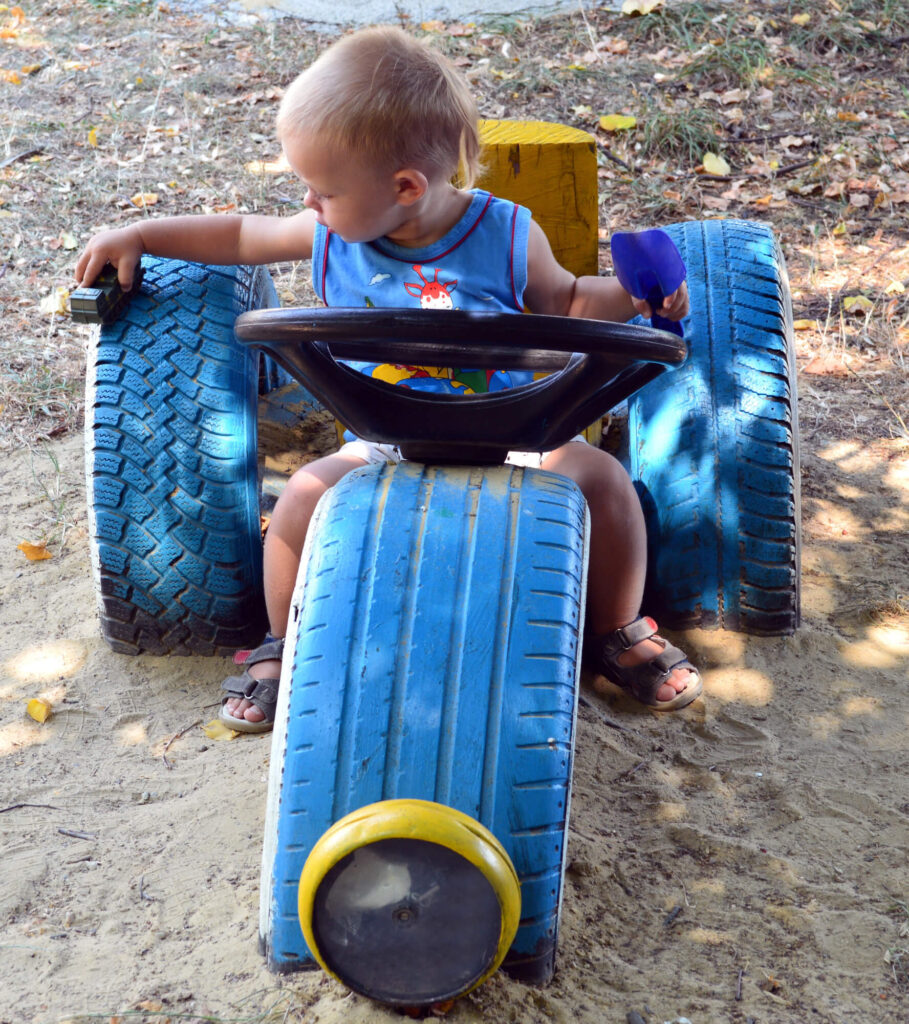
Rotation
A fascination with spinning.
Wheels, fans, steering wheels—or spinning themselves in circles.
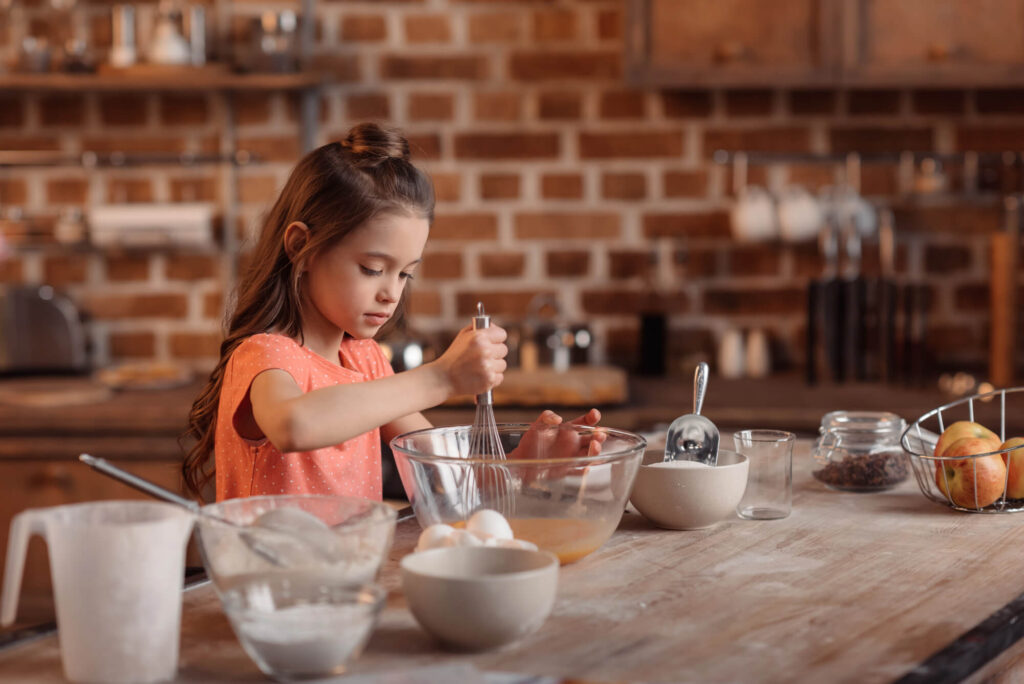
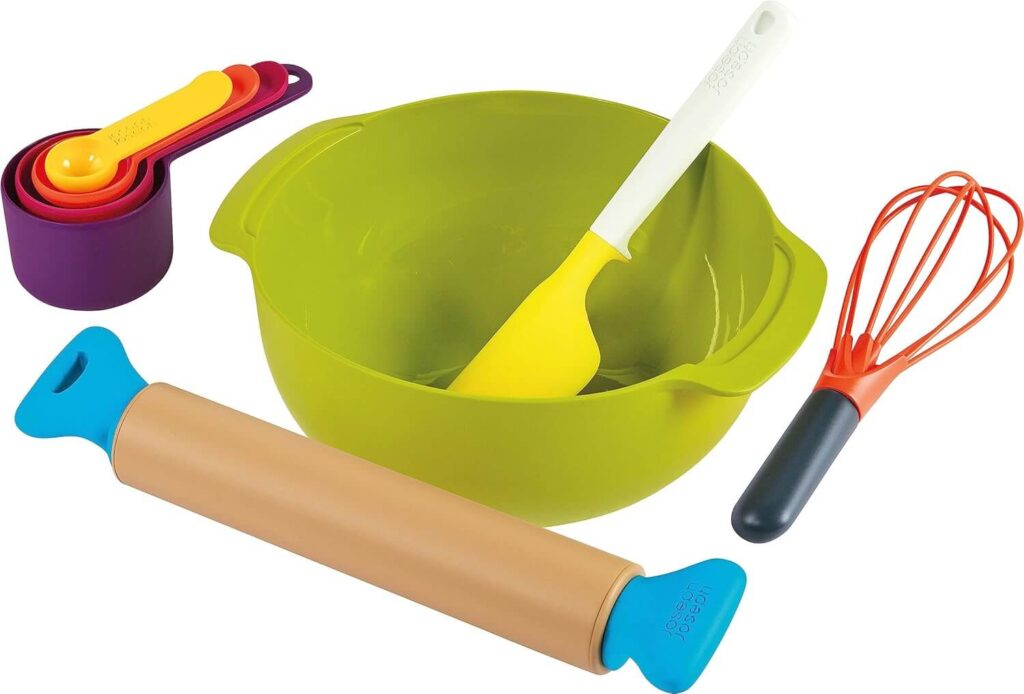
Transformation
Changing the state of something.
Mixing food, stirring “potions,” combining materials in creative ways.
Play Schemas in Real-Life
I remember vividly when my son was about two years old and became completely absorbed in pouring and filling—what would fall under the enclosure/container schema.
He had to do it.
Pouring water from a pitcher into a bowl. Then again. And again. And again.
At first, I resisted because it seemed so messy. But eventually I gave in.
I set him up on the kitchen floor with: a pitcher of water, a bowl, and a stack of towels.
And he played for so long.
What looked simple on the surface was actually rich, focused learning:
- Cause and effect
- Motor control
- Volume and capacity
- Concentration
Child Development Right Before Our Eyes
When your child is deep in a specific type of play, it’s not random—and it’s not something to rush them out of.
It’s a window into how they’re learning.
So the next time your child insists on doing the same thing for the tenth time in a row, you might pause and ask:
What schema are they exploring right now?
And how can I give them just a little more space to keep going?
Leave a Reply